
As dollar stores continue rural expansion, a Louisiana parish found a new way to push back
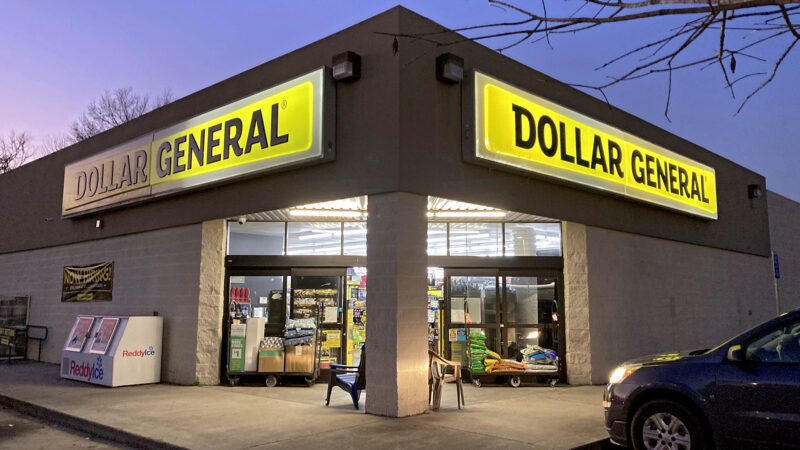
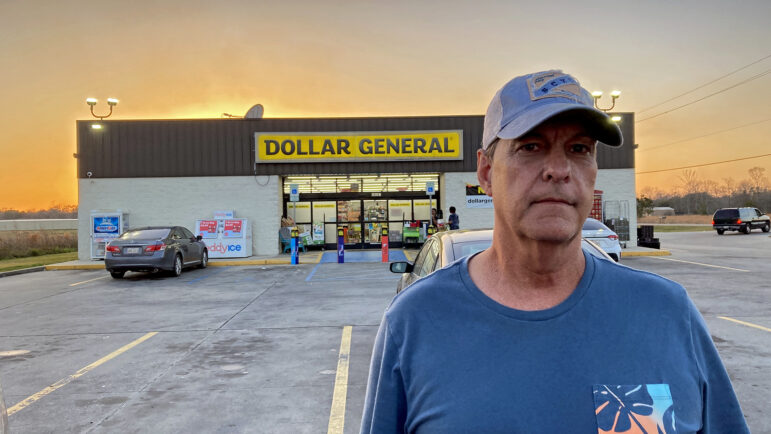
A Dollar General store in Tangipahoa Parish, Louisiana, on Feb. 24, 2024. The big box discount retailer has multiple stores just a few miles apart from each other in Tangipahoa Parish.
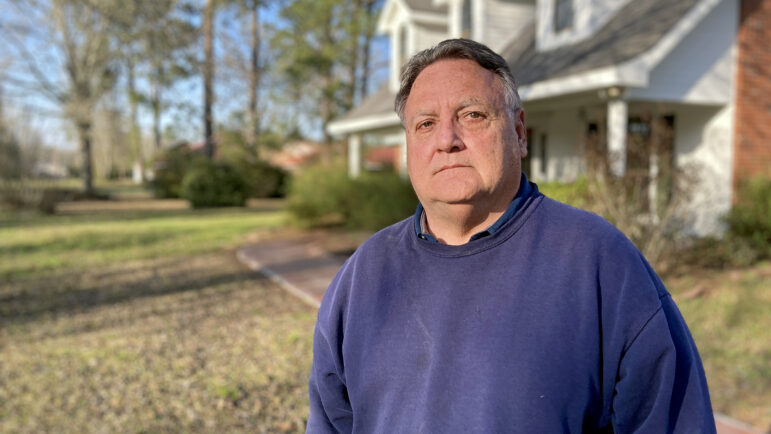
Dollar stores have become such common sights in the South that residents, like Randy Bush, can rattle them off like box scores.
From the front porch of his house just outside Ponchatoula, Louisiana, he gestures toward the Family Dollar that’s west of Highway 22. There’s a Dollar General just off Interstate 55 and two more along Pumpkin Center Road. Altogether, across an eight-mile stretch that’s otherwise mostly made up of houses and subdivisions, Bush counts six dollar stores.
And in 2023, when he heard of plans for a seventh store, he just didn’t understand why.
“You got enough already. Don’t build another one a mile and a half down the road,” Bush, who runs a Facebook page with nearly 30,000 followers about Tangipahoa Parish’s happenings, said. “This is a residential area. Leave us alone.”
Dollar stores are spreading like kudzu, especially across the South. And like the fast-growing vine, plenty of opponents are trying to cut off their growth.
As easily as they can list all the dollar stores flanking their homes, critics have a list of complaints readily available. They point to reports that the stores are frequent robbery targets, accusations that they undercut grocery stores — leading to their shuttering — and that the cluttered stores are just dirty.
This has led to more communities passing laws to keep new stores out and refusing to grant exceptions for dollar store developers looking to get around zoning rules. Last year, Tangipahoa marked new ground in the fight, blocking a Dollar General store by using broad authority to protect the community’s safety.
The decision is working its way up the courts and could set a new precedent for communities looking to keep dollar stores out.
Why Tangipahoa residents said no
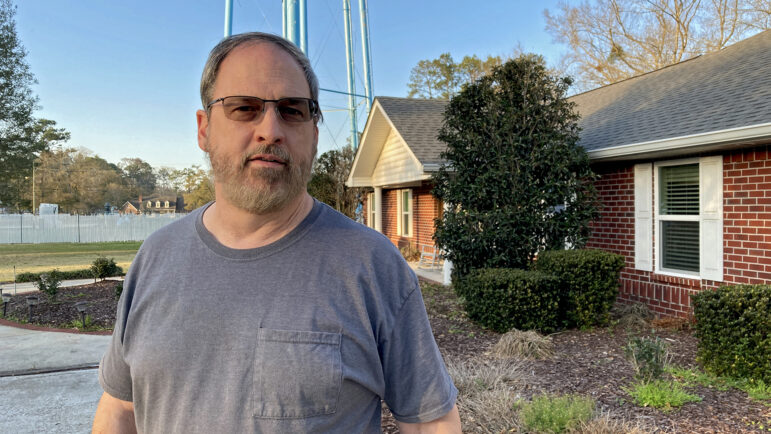
Residents in Tangipahoa brought their long list of concerns to a Parish Council meeting last year in an attempt to stop the latest business application for a new Dollar General. One neighbor read a quote from a Georgia sheriff who called Dollar General stores “stop and robs,” because of how frequently they’re targeted for theft.
Dollar General declined to comment on this story.
The crowd also brought concerns specific to their community, like how opening the store at the Dutch Lane and Highway 22 intersection could lead to more traffic and wrecks. They also worried commercial construction would increase flooding — a constant concern in southern Louisiana.
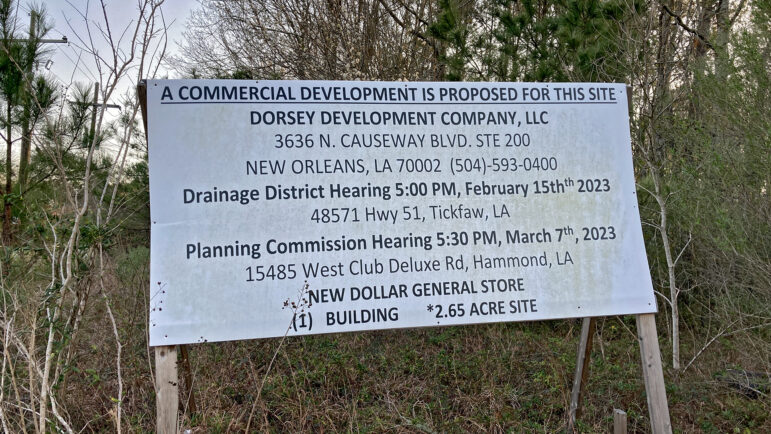
The residents’ goal was to have the parish commission back up its planning committee. The group already decided to block the Dollar General store earlier that March based on a broad view of the Parish’s authority. The store’s developer, Dorsey Development, wanted the commission to overturn that decision.
A new way to block dollar stores
Successful fights against dollar stores usually follow a similar playbook: a developer wants to build one in a place not zoned for it, they apply for an exception, residents get wind of this and they demand local officials deny the exception.
Another tactic is bans designed to limit new dollar stores, such as what Birmingham and New Orleans have on the books. Cities justify those bans under the belief that discount chains undercut tight-margined grocers, and that blocking them will attract more grocery stores in food deserts.
But Tangipahoa has no limits on dollar stores, and parts of the parish are unincorporated without any zoning rules. Instead, the planning commissioner blocked Dollar General by relying on the parish’s police power to protect the community’s general safety, health and welfare. This authority has been used in the past to allow local governments to prohibit smoking in public places and fracking, according to the Institute for Local Self-Reliance.
But it’s a first for dollar stores.
At the March meeting last year, lawyer Andre Codran represented the store’s developer. He painted the committee’s move as irrational, citing a traffic study, which said no roadway improvements would be required, and a drainage study, which showed the risk of flooding would be reduced.
“This project is not an adult bookstore. It’s not a strip bar. It’s not a dump site,” Codran told the commission as he tried to convince them to overturn the block. “You can’t impose that now once this application has come this far and those folks have spent this much money following your rules to get here.”
Despite Codran’s plea, the commission declined to overrule the committee. Months later, a Louisiana district judge backed up the move, saying it was within the parish’s power and motivated by legitimate concerns.
More communities share Tangipahoa Parish’s concerns.
Kennedy Smith wrote the literal playbook for residents looking to stop dollar stores. Since the strategy guide went up last year, she’s received more than twice as many calls and emails from people seeking further help.
She’s since updated that guide to include the new path relying on policing powers used by the parish leaders.
“This is directly connecting the dots between the harm that a store with this kind of store model can do to a community in a way I haven’t seen before,” Smith said. “It’s going to be an important precedent.”
Some residents would rather have more dollar stores
Dorsey Development isn’t going down without a fight.
The developer has appealed the decision and the case is making the slow march through the state courts. One argument Dorsey Development made against the block is that for all the dollar store hate, plenty of people actually love them.
Marty Hogan, another Tangipahoa resident, shops at one of the two stores on Pumpkin Center Road. During a recent stop, he picked up Clorox, detergent and some food. For him, having so many dollar stores is the point. They’re convenient, with one never more than a short drive away.
“I ought to be a poster child for Dollar General,” Hogan said. “I’m their biggest fan.”
And despite the pushback, the chains are still growing at a rapid pace.
Dollar Tree, which owns Family Dollar, recently announced in March to close about 1,000 poor-performing Family Dollar locations. But the company still plans on opening more stores. Meanwhile, their competition, Dollar General, opens more than two stores daily on average.
Bush would rather see Dollar General close stores while investing in keeping the leftover locations clean and well-staffed.
“Keep it stocked and I promise you, you’ll be the Chick-fil-A of those kinds of stores,” Bush said.
This story was produced by the Gulf States Newsroom, a collaboration between Mississippi Public Broadcasting, WBHM in Alabama, WWNO and WRKF in Louisiana and NPR.
This historian dug up the hidden history of ‘amateur’ blackface in America
In her new book, Darkology, historian Rhae Lynn Barnes writes about how blackface and minstrel shows became one of the most popular forms of entertainment in 19th- and 20th-century America.
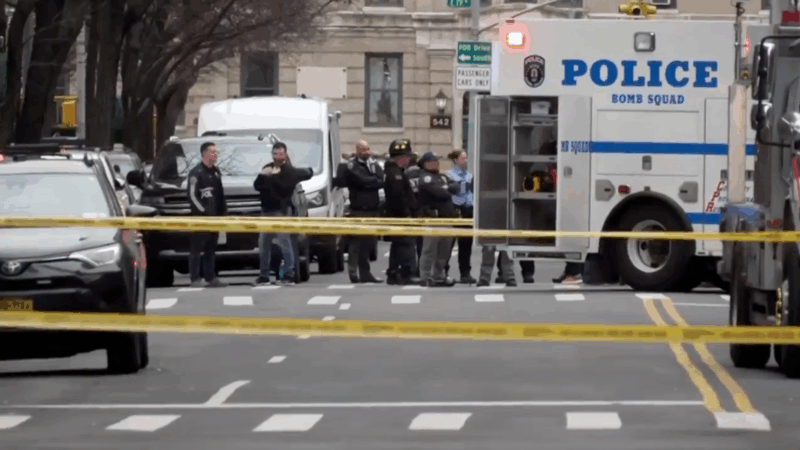
Attempted attack with explosives in New York City investigated as “ISIS-inspired terrorism”
New York City NYPD Commissioner: "Explosive devices that could have caused serious injury or death."
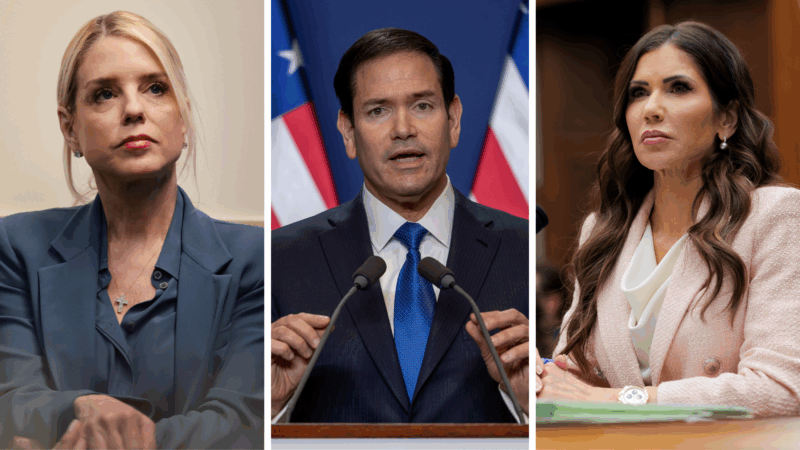
Trump is using immigration policy to suppress speech, lawsuit claims
A new lawsuit accuses the administration of violating the First Amendment by threatening the visas of researchers for work on disinformation and content moderation of social media.

Why young girls are disguised as boys in Afghanistan
The Taliban has released a video of an interrogation of a girl who passed as a boy. It's an age-old practice in this patriarchal society but now appears to be happening with some frequency.

Live Nation and Justice Department reach settlement in antitrust case
The trial, which began a week ago in a New York City courtroom, aimed to break up Live Nation and its subsidiary, Ticketmaster.
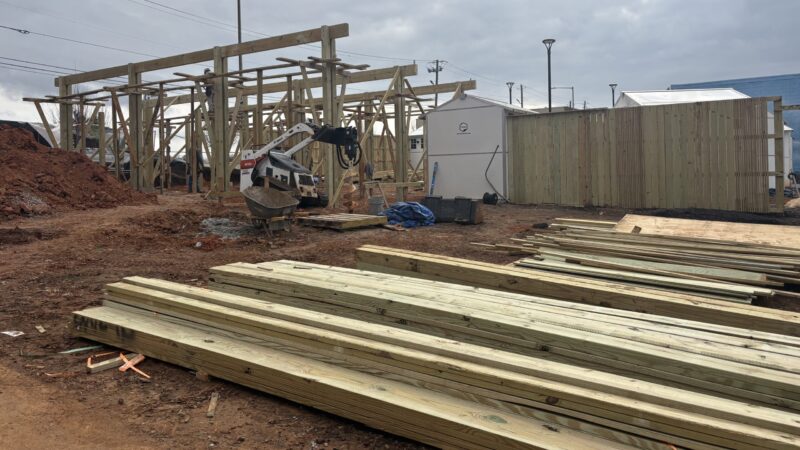
Microshelters for Birmingham’s unhoused set to open soon
The pilot program called Home For All involves building 14 small pallet homes to house those who would otherwise be living on the streets.
