
Impasse Between City Council, Mayor’s Office On Scheduling Delays Spending Of City Relief Funds
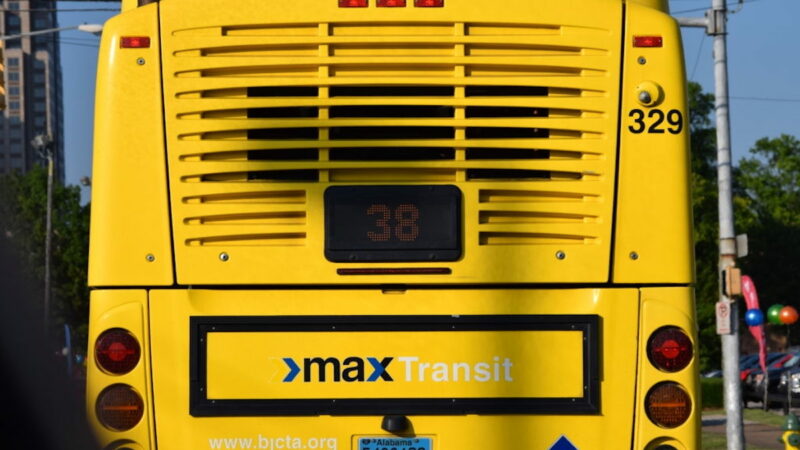
The amount of funding for public transportation is one of the stumbling blocks in Birmingham’s effort to approve federal relief funds.
Scheduling problems between the City Council and mayor’s office have slowed Birmingham’s efforts to spend $74 million in federal relief funding.
The city received its money from the American Rescue Plan in May and quickly allocated $17.5 million toward premium pay for city employees who worked through the COVID-19 pandemic. But negotiations over how to spend the rest of the remaining money stalled last month after Mayor Randall Woodfin proposed allocating the money into several different “buckets.”
That included $3 million for community-based public safety initiatives, $1.5 million to COVID-19 response, $18 million for neighborhood revitalization projects, $18.75 million for public transportation, $4.5 million for small business support, $1.1 million for employee vacation buyouts, $4.75 million for tourism and $1.5 million for grant writing and professional services to pursue other federal funding sources.
To Woodfin’s obvious frustration, councilors balked, questioning the apparent arbitrariness of those allocations, particularly to public transportation, and delayed the item until a committee of the whole meeting could be convened. That meeting still hasn’t happened, Council President William Parker said Tuesday, because, “We couldn’t get everyone together … not only the council, but the mayor and the finance director and the other members of the mayor’s team to get together so we can all sit and talk.”
Parker promised to “keep trying” and vowed that the council will “have more of a holistic approach in the next week or two.”
District 8 Councilor Steven Hoyt, whose unavailability had prevented a committee of the whole meeting from happening on July 27, argued that the council could begin discussing ARP funding for capital projects within their districts without the mayor’s office. But Parker insisted on the administration’s presence, arguing that the council needs help making sure projects meet ARP funding guidelines.
“We don’t want to say we can do four or five parks projects, for example, [and then have them] not qualify,” he said.
Still, Parker insisted, “time is of the essence” to allocate the ARP funds.
“We’ll have more of a holistic approach in the next week or two,” he said.
Birmingham will receive its second $74 million tranche of ARP funding next May.
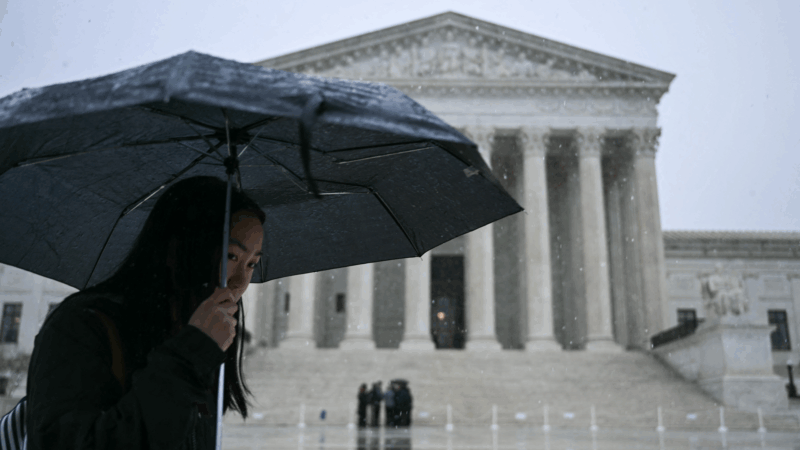
Snow and wind batter parts of US, with threat of thunderstorms and tornadoes
A broad and erratic patchwork of severe weather rumbled across much of the U.S. on Sunday, dumping heavy snow in the Upper Midwest while damaging high winds swept across the Plains.

Crew of fatal US military crash included Alabama father recently deployed
The six U.S. service members who died in the crash of a U.S. military refueling aircraft included an Alabama father who had just been promoted and deployed. The U.S. government released the identities of the deceased service members Saturday.

Israeli soldiers fire on family car in occupied West Bank, killing 4
Israeli soldiers fired on a car carrying a family in the northern West Bank, killing four people including two children, the Palestinian Authority's Health Ministry said.
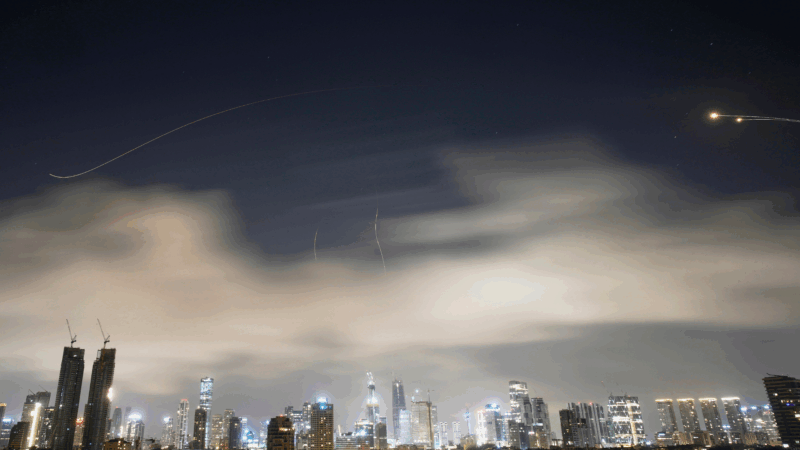
U.S. military names six killed in plane crash as Iran war enters third week
The conflict in the Middle East has entered a third week, with Israel announcing a barrage of new strikes on western Iran on Sunday, while the U.S. defense department released the names of six service members who died when their military refueling aircraft crashed.
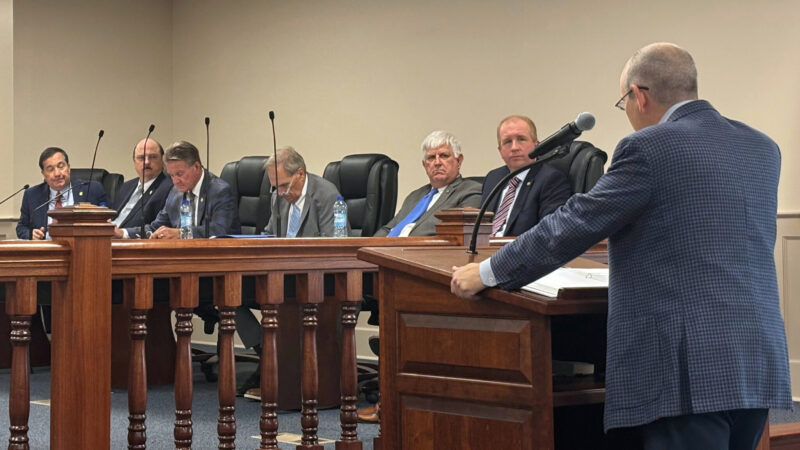
Alabama poised to drastically overhaul utility regulation. Will it lower electric bills?
The Alabama Senate unanimously voted to expand the public service commission, and create a Secretary of Energy to address rising electricity prices. A bill in the House would go even further, requiring rate case hearings and limiting utility profits.

Sunday Puzzle: BAD!
Ayesha Rascoe plays the puzzle with KCUR listener Justin Marciniak and Weekend Edition Puzzlemaster Will Shortz.
