
Steel Deal
Big economic development deals are a lot like high school romances. You put on your best clothes, try to say all the right things, and get your friends lobbying on your behalf. You cross your fingers, ask the girl to go steady and hope like heck she says yes!
Louisiana and Alabama are putting on a good show right now… and the stakes are high. Foreign automakers have flocked to the Gulf South, building manufacturing plants like this Hyundai one in Montgomery, Alabama. German steel giant Thyssen Krupp wants to be near the action, so it plans to build a massive steel mill that will employ nearly 3,000 workers. It is one of the biggest economic development deals of the decade in the U-S.
“Anytime you have a $3 billion project you have to sit up straight and say this could be very big for whichever state ends up being able to have this steel mill.”
Political scientist Natalie Davis of Birmingham Southern College says state officials are working overtime to court the German company. Both Alabama Governor Bob Riley and Louisiana Governor Kathleen Blanco have traveled to Dusseldorf to sell their plans to company officials.
“Louisiana can compete. We want to compete. We can make them profitable. If they give good paying jobs to our people we know that their product can be marketable. We can create an environment, a good business environment for them to work in.”
Louisiana touts the mighty Mississippi River, which can easily accommodate the company’s large cargo ships. The state also has more than $5 billion in cash and low-cost hurricane recovery bonds.
Alabama has less money to offer: just over a billion dollars total pending voter approval. But Alabama also boasts what Governor Riley calls “the confluence of influence.” Six U.S. senators and the governors of Florida and Mississippi have all endorsed Alabama.
Regardless of where the plant is located, economist and steel industry expert Peter Morici of the University of Maryland says there’s growing concern the battle for new jobs drives economic incentive packages to astronomical heights.
“One has to wonder whether we’re overbuilding … whether we’re putting too much of our taxpayer dollars into these kinds of incentives.”
Morici thinks taxpayers give too much for too little in return. He says the real beneficiaries are friends of the politicians.
“You know there is a tight relationship between politicians in both parties and the construction lobbies in all our states.”
The ThyssenKrupp steel mill could create 29,000 construction jobs. Another group that would make a lot of money off the deal is the lawyers who would handle the billion dollar bonds. When Alabama lawmakers met last month to approve a bill to free up more bond money, state representative Alvin Holmes expressed his concerns.
“I’m not going to be for it unless all the attorneys is competitively bidded, all the underwriters are competitively bidded because when you start to deal with bond issues you talking about a lot of money!”
ThyssenKrupp is expected to decide between Alabama and Louisiana in May but plenty of states are paying attention. Analyst Peter Morici says the German company will produce so much steel at its new plant that it would likely put workers at other homegrown mills across the U.S. out of work. Morici says that’s the dark side of economic courtship.
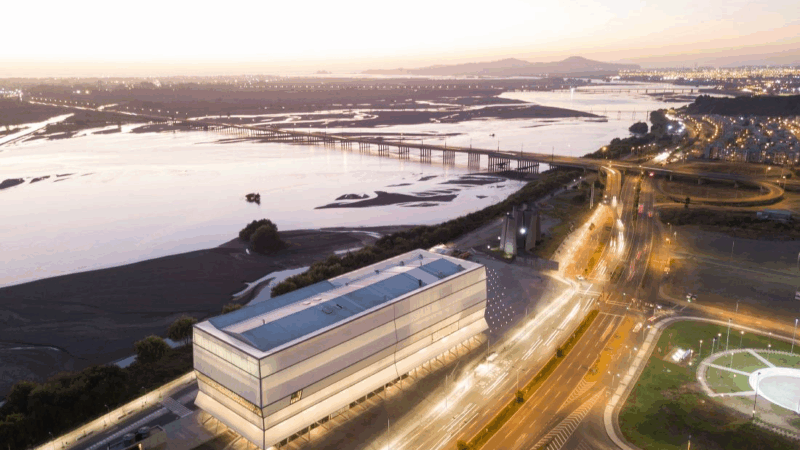
Chilean Smiljan Radić Clarke wins architecture’s highest honor
The Pritzker Prize was awarded Thursday. "In every work, he is able to answer with radical originality, making the unobvious obvious," said fellow Chilean architect and prize chair Alejandro Aravena.
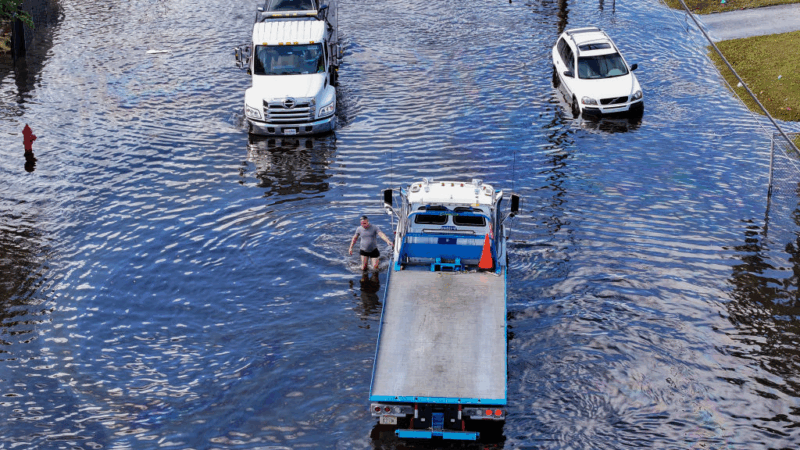
El Niño is set to take hold this summer, driving up global temperatures
A potentially strong El Niño weather pattern will likely emerge this summer and persist through the rest of the year. The hottest years on record generally occur in years when El Niño is active.

‘Songs from the Hole’: The story behind JJ’88’s documentary and visual album
The visual album and documentary Songs from the Hole tells the story of James Jacobs, the hip-hop artist JJ'88, as he reflects on his coming-of-age within California's state prison system.

Oil price surges as Iran steps up attacks on ships in the Persian Gulf
Markets seesawed on Day 13 of the war in the Middle East, as two oil tankers were struck by projectiles near Iraq's southern ports and attacks between Israel and Hezbollah intensified.
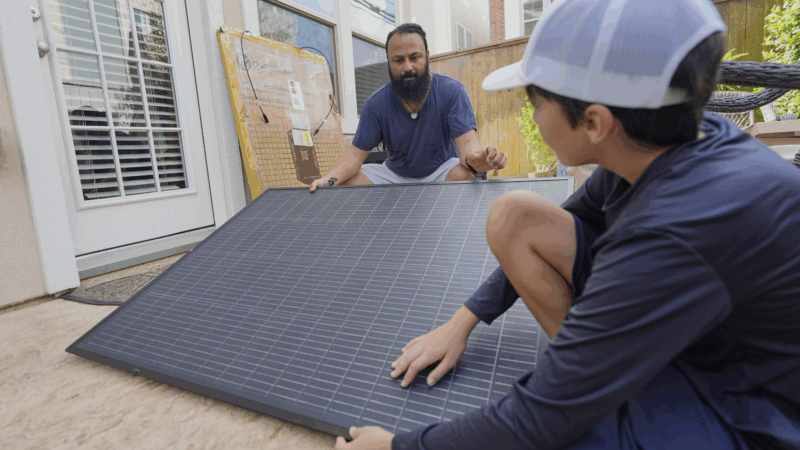
Easy-to-use solar panels are coming, but utilities are trying to delay them
Utilities are convincing lawmakers around the U.S. to delay bills that would allow people to buy solar panels, plug them into an outlet and begin generating electricity.
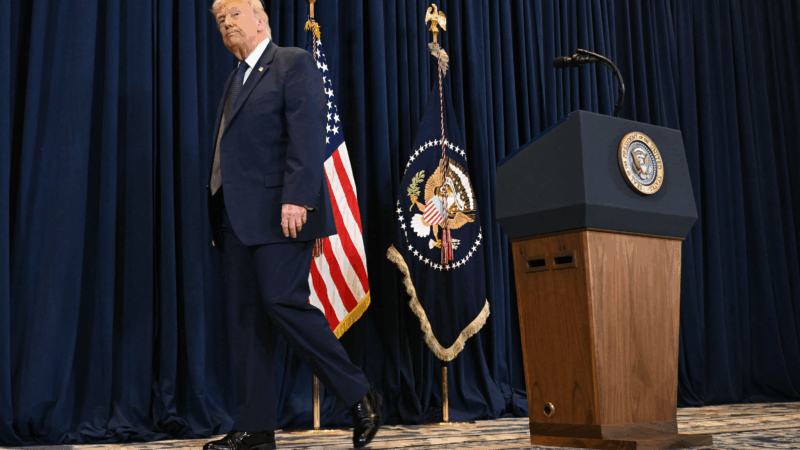
Trump’s war with Iran is angering some swing voters who want money spent at home
Swing voters who helped reelect President Trump in 2024 don't support his decision to go to war in Iran and instead want to see U.S. tax dollars spent tackling economic pressures facing Americans.
