
U.S. Army libraries target books with a focus on DEI or ‘gender ideology’ for removal
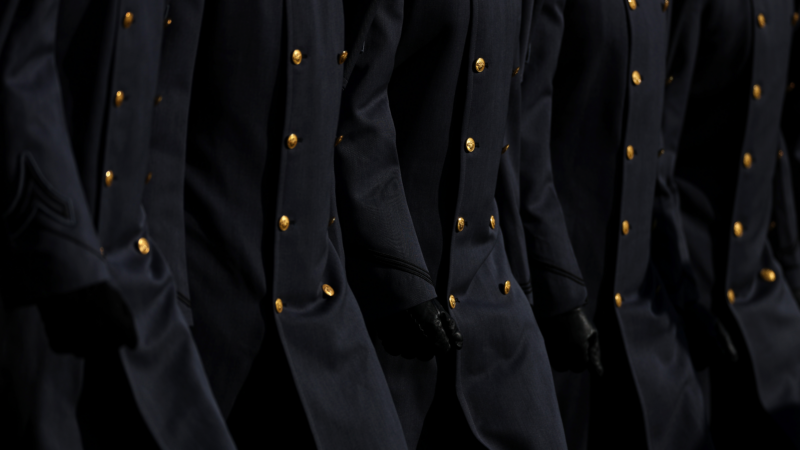
A senior Army official ordered Army libraries, including West Point, to remove all books “with the explicit and sole purpose of directly and overtly promoting DEI, gender ideology, and critical race theory in a manner that subverts meritocracy and unity,” according to a memo sent last week by acting Assistant Secretary of the Army Derrick Anderson. It says the list of documents should be provided to the Army’s chief librarian by April 16th. The memo, dated April 9th, was viewed by NPR.
The memo was sent to the Army’s Training and Doctrine Command, U.S. Army Special Operations Command, the Army’s Judge Advocate General’s Legal Center and School, the U.S. Military Academy and the Army War College.
“West Point is completing the directed review with the utmost professionalism and efficiency,” West Point spokesman Col. Terence Kelley said in an email to NPR.
Since the memo was sent by Assistant Secretary Anderson, however, all Army libraries were told this week to only “flag” rather than remove any books, said a U.S. official not authorized to speak publicly, adding that a final decision for removing books will be made by top Army officials. The official said at this point no books have been removed from the West Point library, and the “flag” order extends to all Army libraries.
The move by West Point comes after the U.S. Naval Academy removed nearly 400 books from the Nimitz Library over similar concerns from Trump Administration officials. The books included Maya Angelou’s I Know Why the Caged Bird Sings, White Supremacy Groups, edited by Mitchell Young and The Second Coming of the KKK: The Ku Klux Klan of the 1920s and the American Political Tradition by Linda Gordon. Also, the works included Police Violence and Race: The effects of Racial Focusing Events on Attitudes About Race Relations,” written in 2016 by Midshipman Gavin D. Jernigan.
Five days before the memo was sent out by the Army, two lawmakers said they had “grave concern” about the books removed from the Naval Academy in a letter to Army Secretary Dan Driscoll.
“We are interested in understanding if similar actions are occurring at West Point,” wrote Rep. Adam Smith, the ranking Democrat on the House Armed Services Committee and Rep. Chrissy Houlahan, the top Democrat on the Military Personnel Subcommittee. “Moreover, this reported book ban — or any similar efforts that may be ongoing at the United States Military Academy — displays an alarming return to McCarthy era censorship.”
Another letter about the book removals was sent to Defense Secretary Pete Hegseth, who has vowed to remove DEI material from the Pentagon, saying at a Pentagon town hall meeting in February that the term “diversity is our strength,” is “the single dumbest phrase in military history.”
“The decision of the Naval Academy to strip the Nimitz Library of diverse voices and viewpoints, especially those written by and/or about Black and LGBTQ people, constitutes unconstitutional censorship of politically disfavored ideas in direct conflict with a functioning democracy” wrote Jin Hee Lee, with the Legal Defense Fund, and Jennifer C. Pizer with the Lamda Legal Defense Fund in a letter sent Tuesday to Hegseth and Naval Academy superintendent Yvette M. Davids. “Such censorship is especially dangerous in an educational setting, where critical inquiry, intellectual diversity, and exposure to a wide array of perspectives are necessary to educate future citizen-leaders. While the Naval Academy is tasked with educating and cultivating cadets to be leaders of a pluralistic nation, it has done a disservice to cadets by preventing access to critical information.”

Pentagon shifts toward maintaining ties to Scouting
Months after NPR reported on the Pentagon's efforts to sever ties with Scouting America, efforts to maintain the partnership have new momentum

Why farmers in California are backing a giant solar farm
Many farmers have had to fallow land as a state law comes into effect limiting their access to water. There's now a push to develop some of that land… into solar farms.
‘Get back to integrity’: Oklahoma’s Kevin Stitt on Republicans after Trump
NPR's Steve Inskeep asks Oklahoma Gov. Kevin Stitt about his spat with President Trump, immigration and the future of the Republican Party.
Civil rights leaders say the racial progress Jesse Jackson fought for is under threat
Activists say racial progress won by the Rev. Jesse Jackson is under threat, as a new generation of leaders works to preserve hard-fought civil rights gains.

Tariffs cost American shoppers. They’re unlikely to get that money back
After the Supreme Court declared the emergency tariffs illegal, the refund process will be messy and will go to businesses first.

Every business wants your review. What’s with the feedback frenzy?
Customers want to read reviews and businesses need reviews to attract customers. But the constant demand for reviews could be creating a feedback backlash, experts say.
