
NAACP won’t invite Trump to its national convention, breaking a 116-year tradition
The NAACP announced it will not invite President Trump to its national convention in July. The civil rights organization is breaking from its 116-year tradition of welcoming the sitting U.S. president to the annual event that draws NAACP supporters from around the country.
The group says Trump is the first president it has declined to invite.
NAACP President and CEO Derrick Johnson made the announcement Monday at a news conference in Charlotte, N.C., where the convention is scheduled to be held. The group also shared a statement from Johnson.
“Donald Trump is attacking our democracy and our civil rights … The president has signed unconstitutional executive orders to oppress voters and undo federal civil rights protections,” Johnson said. “… he continually undermines every pillar of our democracy to make himself more powerful and to personally benefit from the U.S. government.”
The White House responded sharply on Tuesday to the president’s exclusion from the event. Trump declined previous invitations during his first term.
“The NAACP isn’t advancing anything but hate and division, while the President is focused on uniting our country, improving our economy, securing our borders, and establishing peace across the globe,” White House spokesperson Harrison Fields said in a statement to NPR. “This is the same vision for America that a record number of Black Americans supported in the resounding reelection of President Trump.”
The NAACP has welcomed both Democratic and Republican presidents to address the convention over the years. Presidents have historically used their remarks to build stronger ties with the Black community.
President Ronald Reagan addressed the NAACP convention in Denver in 1981 and spoke out against racism and discrimination. President George W. Bush spoke at the convention in Washington, D.C., in 2006 amid criticism of his administration’s handling of Hurricane Katrina. The storm disproportionately affected Black residents in New Orleans and the Gulf region. In his remarks, Bush resolved to work with the Black community to recover from the storm. He had declined previous invitations to the event.
The NAACP has filed a number civil rights lawsuits against the administration since Trump’s return to the White House, including a challenge to efforts to cut federal funding to schools that use diversity, equity and inclusion (DEI) programs. The organization has also filed suit to block plans to dismantle the U.S. Department of Education.
The Trump administration has enacted a series of substantial changes that the NAACP says conflicts with its mission of achieving equity, political rights, and social inclusion for Black Americans and all people of color. The changes include eliminating DEI programs in higher education and across the federal government; removing some Black historical figures from government websites; and restoring the names of military bases that originally honored white supremacists and owners of enslaved people.
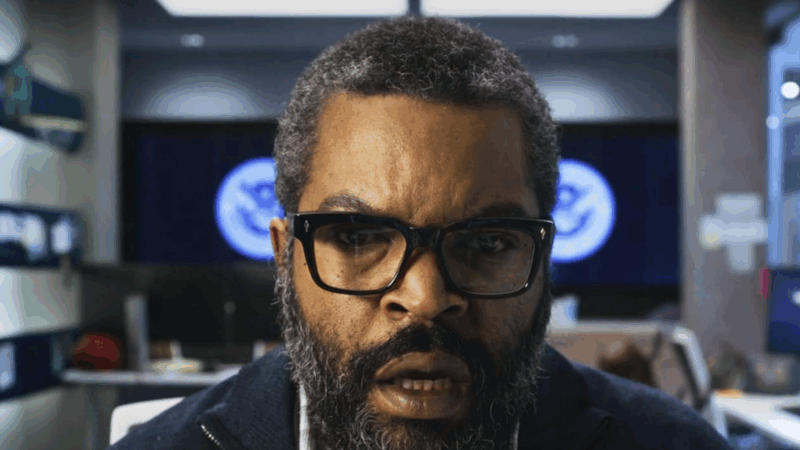
‘War of the Worlds’ remake sinks to the bottom at this year’s Razzie Awards
The surveillance industry version of HG Wells' 1898 classic sci-fi novel stars Ice Cube, and won accolades for worst picture, actor, director and more.

Russian strike on Kyiv region kills 4 and wounds 15, with peace talks stalled
The strikes comes after the United States paused ceasefire talks between Russia and Ukraine due to the war with Iran.
As the risk of measles grows, why are parents so divided on vaccines?
In South Carolina, some parents embrace vaccines, others opt out. Why do people make such different choices? A mix of politics, distrust and misinformation is pushing neighbors apart.
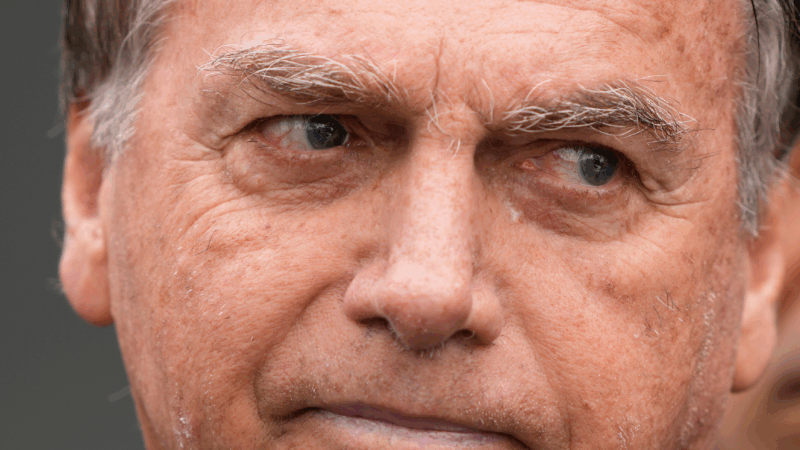
Brazil’s ex-President Bolsonaro is in intensive care with pneumonia, hospital says
One of Bolsonaro's doctor's described the former Brazilian president's medical condition as "serious."
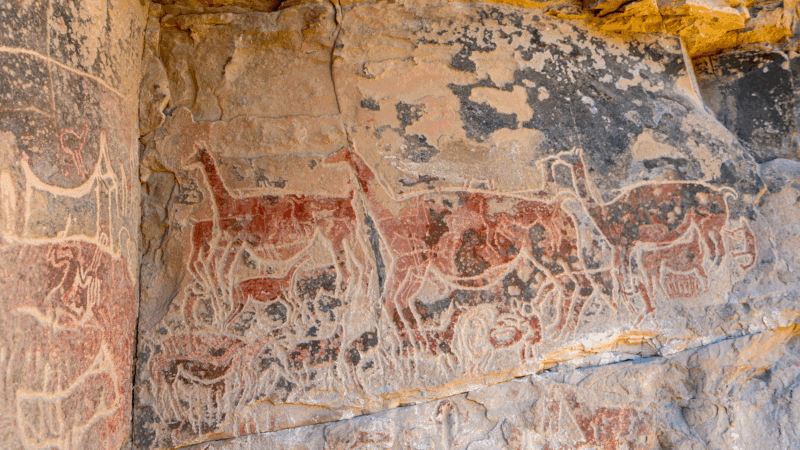
Opinion: An ancient, sophisticated palate
Researchers looking at foodcrusts on the pottery shards of ancient humans say there's evidence of a wide variety of ingredients, indicating that they may have been experimenting with "recipes."
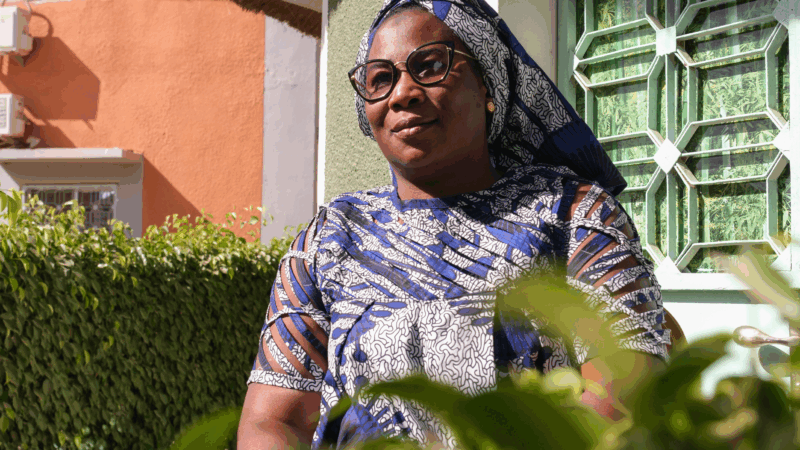
Why women have an especially tough time in Senegal’s prisons
Women charged with a crime in Senegal are at the mercy of a slow judicial process and prisons that may lack basic supplies. They also face stigma that robs them of familial and community support.
