
Congo and Rwanda-backed rebels sign declaration of principles for permanent ceasefire

DAKAR, Senegal — Congo and Rwanda-backed rebels on Saturday signed a declaration of principles in Qatar to end decades-long fighting in eastern Congo that commits them to a permanent ceasefire and a comprehensive peace agreement to be signed in one month.
A final peace deal is to be signed no later than Aug. 18, and it “shall align with the Peace Agreement between Congo and Rwanda” facilitated by the U.S. in June, according to a copy of the declaration seen by The Associated Press.
The agreement of principles touches on most of the highlights of the peace deal Congo and Rwanda signed June 27. It is the first direct commitment by both side since the rebels seized two key cities in eastern Congo in a major advance.
Backed by neighboring Rwanda, the M23 is the most prominent of more than 100 armed groups fighting for control in Congo’s mineral-rich east. With 7 million people displaced in Congo, the U.N. has called the conflict in eastern Congo “one of the most protracted, complex, serious humanitarian crises on Earth.”
It was not immediately clear what the specific terms of a final peace agreement would be and what concessions would be made. M23 had been pushing for the release of its members held by Congo’s army, many of them facing the death sentence. Congo had requested the withdrawal of the rebels from seized territories.
A key issue has been whether Rwanda will pull their support for the rebels, including the thousands of troops that the United Nations experts said are in eastern Congo.
When Rwanda and Congo signed the peace deal in Washington, Rwandan Foreign Minister Olivier Nduhungirehe said Rwanda agreed to lift its “defensive measures” — suggesting a reference to its troops eastern Congo — once Congo neutralizes an armed group whose members Kigali accuses of carrying out the 1994 genocide in Rwanda.
Analysts have say it is going to be difficult for the M23 rebels to withdraw from the eastern Congolese cities of Goma and Bukavu seized earlier this year and that it would depend on concessions Congolese authorities agree to make.
Iran’s president defies U.S. demands while apologizing for strikes on neighbors
President Masoud Pezeshkian said Saturday that a demand by the U.S. for an unconditional surrender is a "dream that they should take to their grave." He also apologized for Iran's attacks on regional countries.
What the Trump administration says about why it went to war with Iran
The Trump administration says it is "laser focused" and mission driven, but the messaging has been varied. The range of cited motivations for striking Iran now are sometimes at odds with each other.
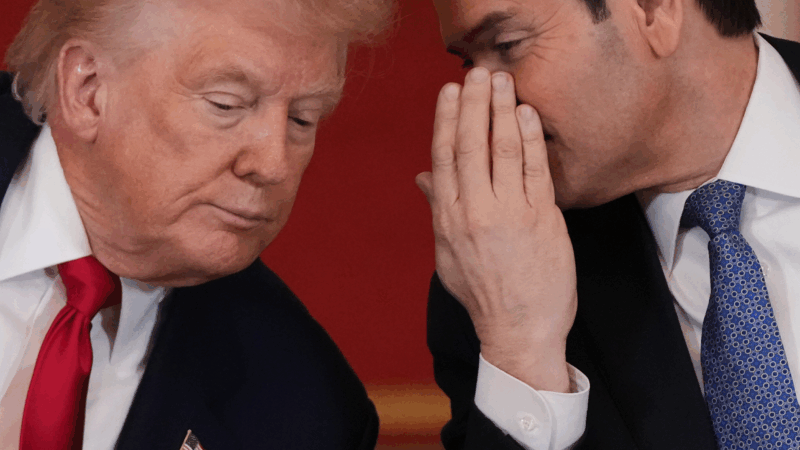
Trump looks to turn attention to Western Hemisphere at Americas summit
President Trump is set to gather with Latin American leaders on Saturday at his Miami-area golf club as his administration looks to turn attention to the Western Hemisphere, at least for a moment.
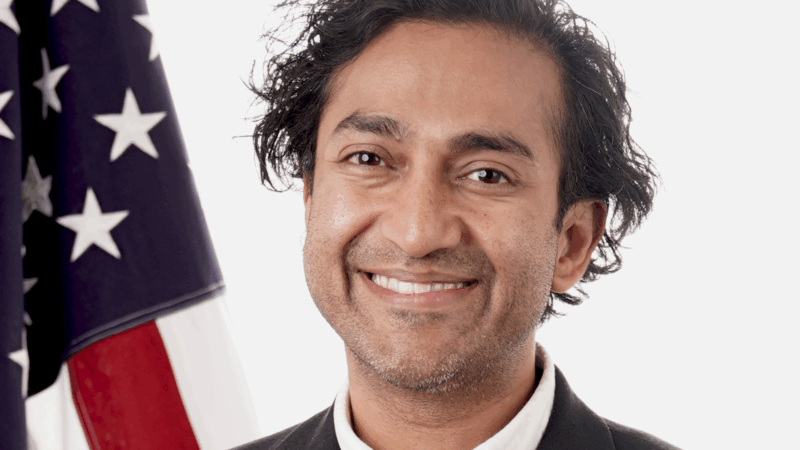
Trump administration’s embattled FDA vaccine chief is leaving for the second time
The FDA's controversial vaccine chief, Dr. Vinay Prasad, is leaving the agency. It's the second time he has abruptly departed following decisions involving the review of vaccinations and specialty drugs.
Family, former presidents and a Hall of Famer give Rev. Jesse Jackson a final sendoff
Several speakers at Jackson's funeral invoked his hallmark catchphrases: "Keep hope alive" and "I am somebody."
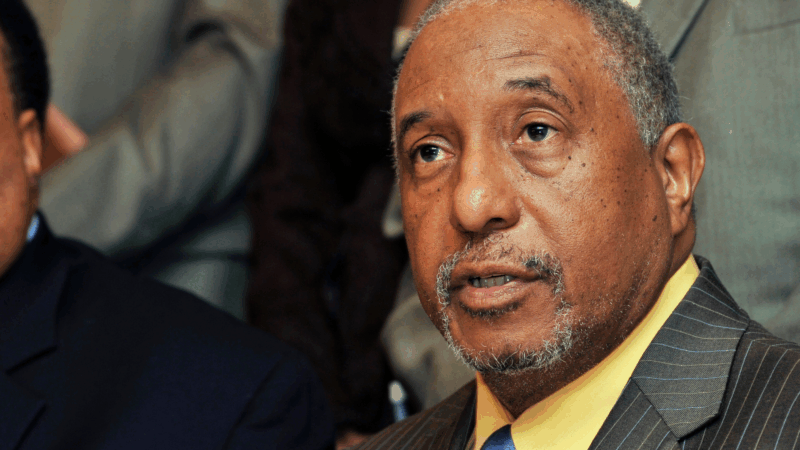
Bernard LaFayette, Selma voting rights organizer, dies at 85
Bernard LaFayette, who died Thursday, laid the foundations of the Selma, Alabama, campaign that culminated in the passage of the Voting Rights Act. He was a Freedom Rider and helped found the Student Nonviolent Coordinating Committee.
