
Trump Plan Would Open Most US Waters to Drilling, Including Gulf
The Trump administration on Thursday announced a proposal to significantly expand offshore oil and gas drilling. The draft plan would allow new offshore drilling in more than 90 percent of U.S. waters, including the Gulf of Mexico. The administration would also offer a record number of leases to energy firms.
The proposal would allow new drilling and exploration in the Gulf, and off Alaska and the east and west coasts. It would offer 47 leases from 2019 to 2024. U.S. Secretary of the Interior Ryan Zinke says Obama-era restrictions are costing the nation billions of dollars in needed revenue.
“This is the largest number of lease sales ever proposed,” he says. “The Obama Administration had 11 lease sales, so this is a clear difference between energy weakness and energy dominance.”
The draft proposal includes 12 lease sales in the Gulf, where there’s already oil and gas infrastructure. It would be the first time since the 1980s that most of the eastern Gulf would be open for drilling. In places where no wells or other infrastructure exist, extraction would be years if not decades away.
Finalizing the plan could take a year and a half. Environmental groups and some state governors are likely to challenge it in court. Thursday’s announcement did not mention climate change or the Gulf oil spill of 2010.
Below are excerpts from Secretary Zinke’s Thursday press conference.
Claiming More Contrast
“[Under Obama], responsible energy development took a backseat to special interest groups. If you look at the previous administration, it took offline 94 percent of the Outer Continental Shelf and made it off limits for energy exploration, development, and seismic [study]. So we lost $15 billion of revenue a year. Today it’s a lot different. We are standing as the leading oil and gas producer. It is likely we’re going to be a major exporter of liquid natural gas.”
Drilling Benefits to National Parks
“On scale, a loss of $15 billion a year would have addressed the entirety of the backlog of our national parks and given us money to reinvest in our national public lands where we need it. And certainly those that have been out and looked at our parks, they are being loved to death.”
The U.S. is Better
“It is better for the environment to produce energy here under reasonable regulation. Nobody is better at producing clean, quality, responsible energy than the United States. If you want to take a look at some of our allies in Africa and the Middle East — and certainly as a former Navy SEAL commander I’ve spent a lot of time in the Middle East — I can tell you how not to produce energy, and you’ll find that in parts of Africa and the Middle East.”
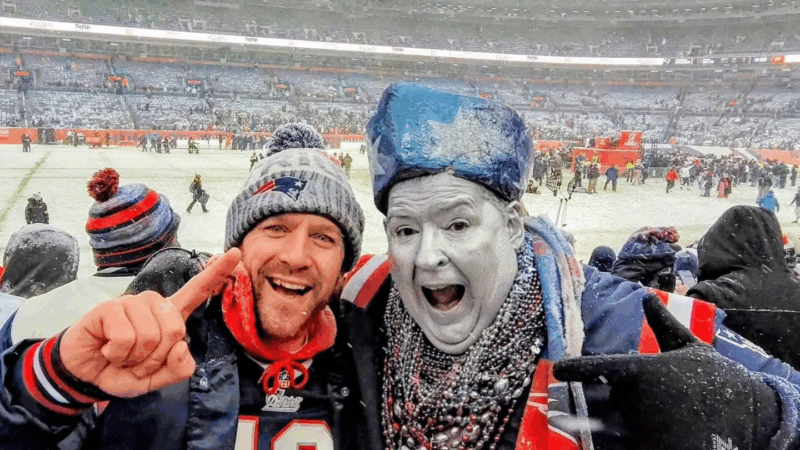
Hate them or not, Patriots fans want the glory back in Super Bowl LX
As Bostonians bemoan their long years of suffering without a Super Bowl win, rival fans gripe that Title Town has become Entitled Town.
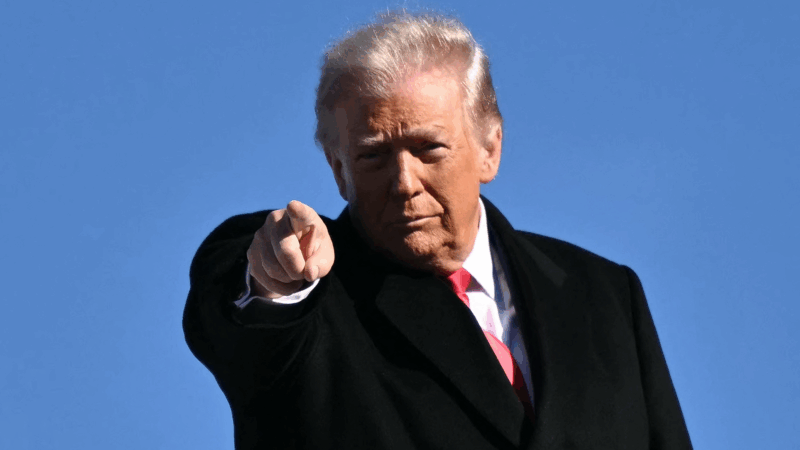
It’s about to get easier for Trump to fire federal workers
Since his first term, President Trump has wanted to be able to fire federal employees for any reason. A new rule vastly expands his authority to do that.
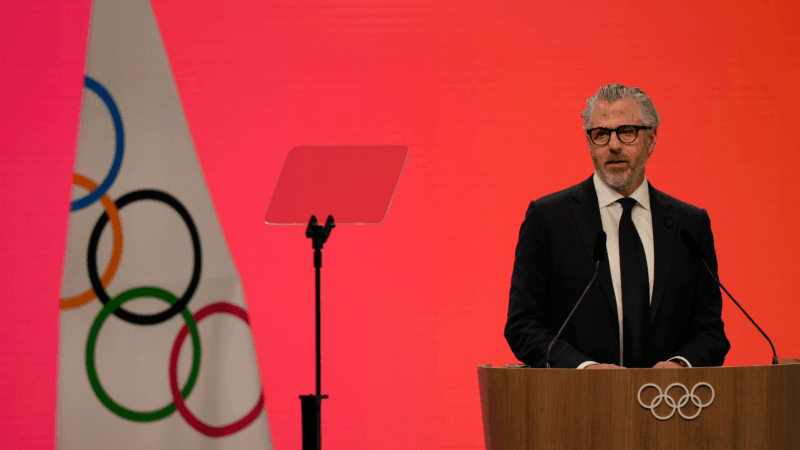
Behind the glitz in Milan, the Epstein scandal casts its shadow over the Olympic movement
The Epstein scandal has spread to the Olympic movement. The top organizer of the Los Angeles Summer Games faces calls to step down because of his past contacts with Epstein collaborator Ghislaine Maxwell.
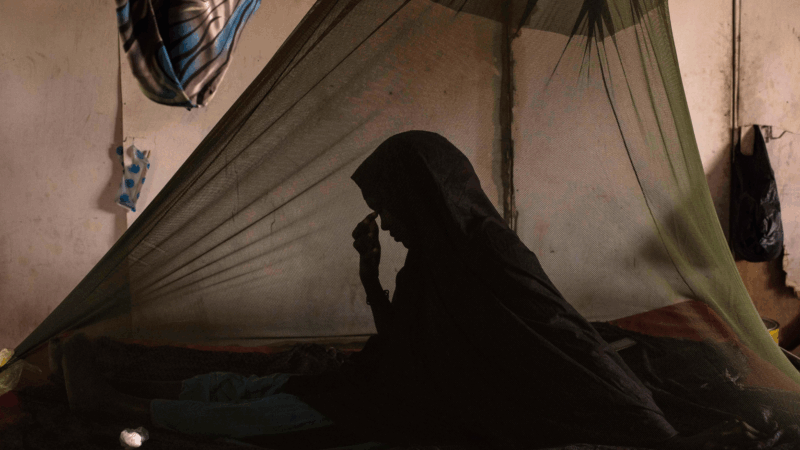
TB or not TB? That is the question
A new study in "Nature Medicine" estimates 2 million people are incorrectly told they have TB each year — and clinicians miss diagnosing TB in 1 million people. Why so many misdiagnoses?
From Jesus to Jurassic Park: This year’s Super Bowl ads are playing it safe
Early Super Bowl spots show advertisers want lots of buzz but not controversy.
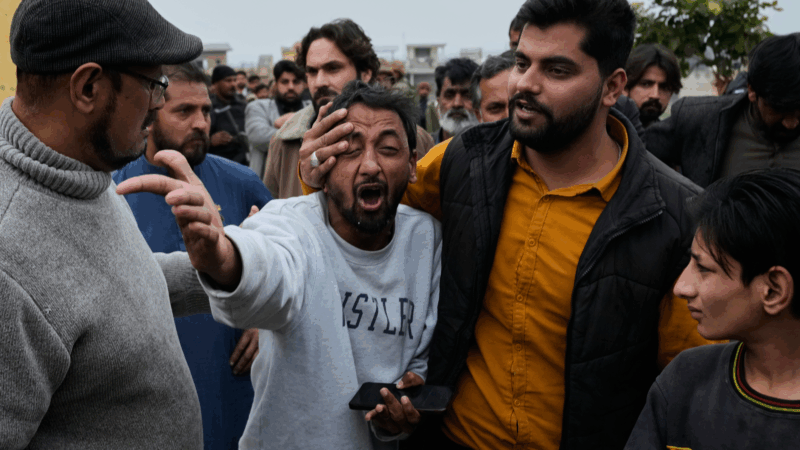
Suicide bombing at a Shiite mosque on Islamabad’s outskirts kills at least 31
It was a rare attack in the capital of Pakistan as its Western-allied government struggles to rein in a surge in militant attacks across the country.
