
Alabama lawmakers target social media
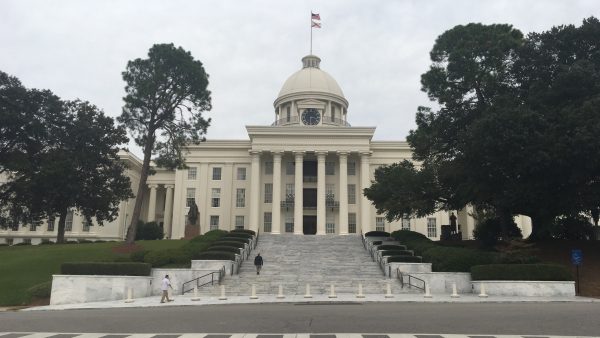
Social media is under fire nowadays, especially when it comes to use by children. Several bills in the Alabama Legislature would restrict how kids could use social media. We hear more about that and other happenings in Montgomery from Todd Stacy, host of Capitol Journal on Alabama Public Television.
The following conversation has been edited for clarity.
A House committee held a public hearing on these social media bills this week. What would these bills do?
Well, it’s all about limiting exposure for minors, for children, on social media. You’ve got one bill that would ban children under 16, or I guess 16 and under, from having a social media account. There’s another that would expand limitations and restrictions, increase parental controls all the way up to 18 year olds. These aren’t anything new. We’ve seen these introduced in the past. You’ve also seen a move in Congress, Alabama’s own Senator Katie Britt has been a part of an effort to pass federal laws restricting youth access to social media.
But there are critics, and there are opponents of these things, mainly arguing on the grounds of First Amendment rights and privacy, that some of these could actually create more harm than good. The committee did not vote on the bill, it’ll probably be coming up again, and I do expect vigorous debate.
Independent pharmacies say they’re in a crunch because they aren’t compensated fairly for what it takes to fill some prescriptions. They want to add a fee to prescriptions to make up the difference. Now Todd, break down this situation for us.
Well, it’s a little complicated, but I’ll do my best. So, PBMs, pharmacy benefit managers, they’re giant companies that kind of negotiate drug prices and provide drugs to pharmacies. But these local independent pharmacies say that the rates they charge make it really hard to stay in business. So they’re proposing, like you said, a little over $10 fee to each prescription filled. They say that would allow them to recoup their costs.
Well anytime you talk about a fee, that’s going to be controversial, right? Because that would mean a fee for all of us to go fill a prescription. Also, insurance companies are saying that while well-intended, it could cause more harm than good. Maybe the state’s insurance department, their regulator, needs just more authority to regulate some bad actors out there.
It’s a big bill this session. It’s a big topic. A lot of pharmacists have been hanging out in the statehouse making their case, but it’s not an easy one. There was legislation in committee this week. No vote was taken, but I do expect it to come back, and it’s going to be moving one way or the other.
Finally, a bill stalled in committee which would have imposed a criminal penalty on a parent whose child brings a gun to school if the firearm was not secured at home. Give us a sense of how this debate played out.
Representative Barbara Drummond has this bill that really mandates gun security. You can get a safe for your gun. You can get a lock for your gun. It would require that in this way. If you’re a parent of a school-aged child and that child brings your gun to school because it was not properly secured, then you could face criminal penalties. It would actually make it a Class A misdemeanor. That’s punishable by one year in jail. So it’s some real teeth on that. But it was debated in committee. She was praised for her intent, but the legislature, that committee, just didn’t want to go that far in putting restrictions on gun ownership.
But there was actually another bill that passed the Senate regarding gun safety and gun storage. It would allow anyone, say in a mental health crisis, to store their gun at a gun store or a police station or what have you for a period of time, and you wouldn’t have repercussions from it. You wouldn’t be involuntarily committed or something like that. It’s intended to prevent suicide, and that passed the Senate unanimously.
A new Nepali party, led by an ex-rapper, is set for a landslide win in parliamentary election
A Nepali political party led by an ex-rapper is set for a landslide victory in the country's first parliamentary election since Gen Z protests ousted the old leadership that has ruled the Himalayan nation for decades.
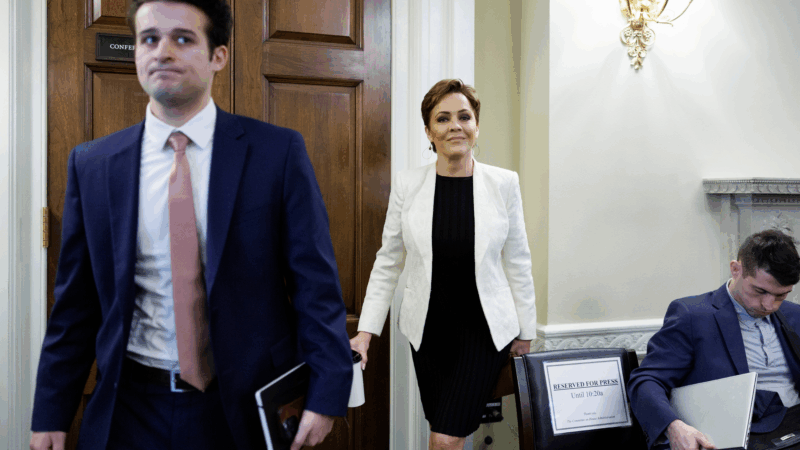
U.S. Judge says Kari Lake broke law in overseeing Voice of America
He declared all of Lake's actions over the past year to be null and void, including the layoffs of more than 1,000 journalists and staffers.
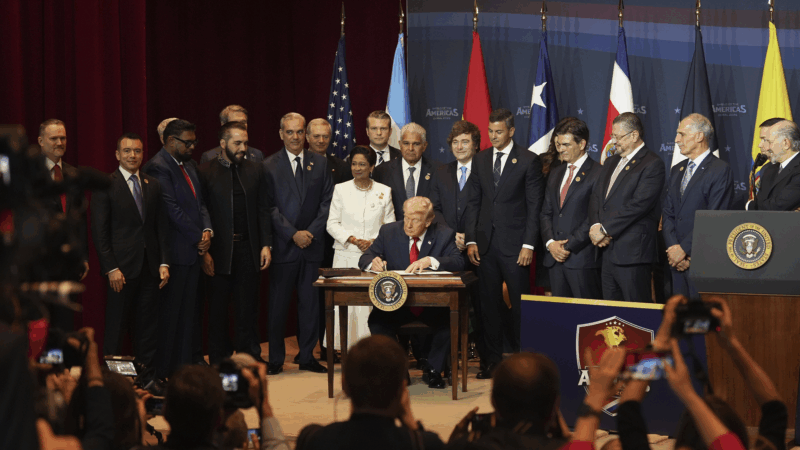
Trump vows to ‘take care of Cuba,’ praises Venezuela cooperation at summit
Trump made the promise in front of an assembled meeting of Latin American leaders.
British Columbia to make daylight saving time permanent
The Canadian province is permanently ending the biannual time shifts for more light at the day's end. But research shows daylight saving increases health risks.
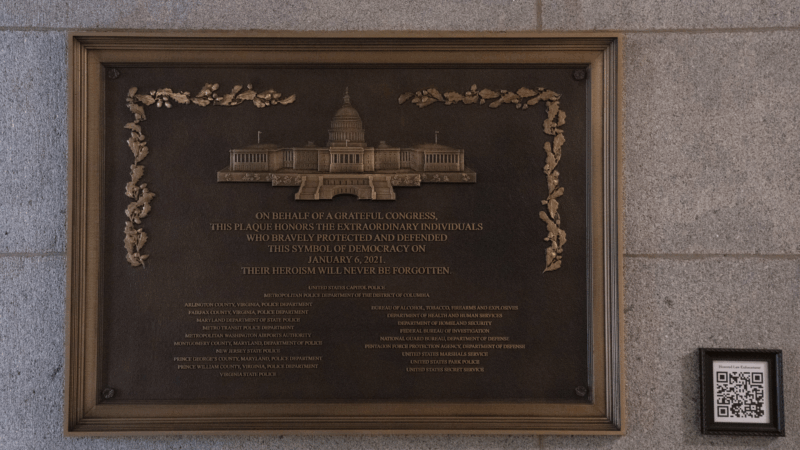
Jan. 6 plaque honoring police officers is now displayed at the Capitol after a 3-year delay
Visitors to the Capitol in Washington now have a visible reminder of the siege there on Jan. 6, 2021, and the officers who fought and were injured that day.
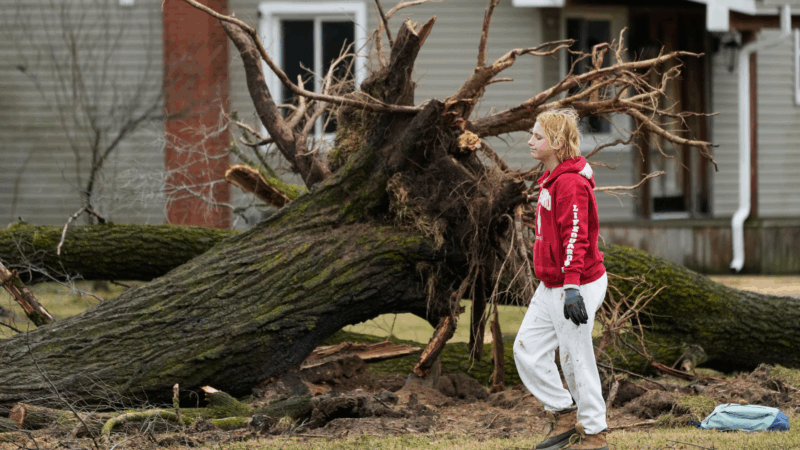
Authorities searching debris after suspected tornadoes kill 6 in Michigan, Oklahoma
A 12-year-old boy is reported to be among the dead following powerful storms that stretched across the middle of the country.
