Parole denied for 90% of Alabama inmates, a new low
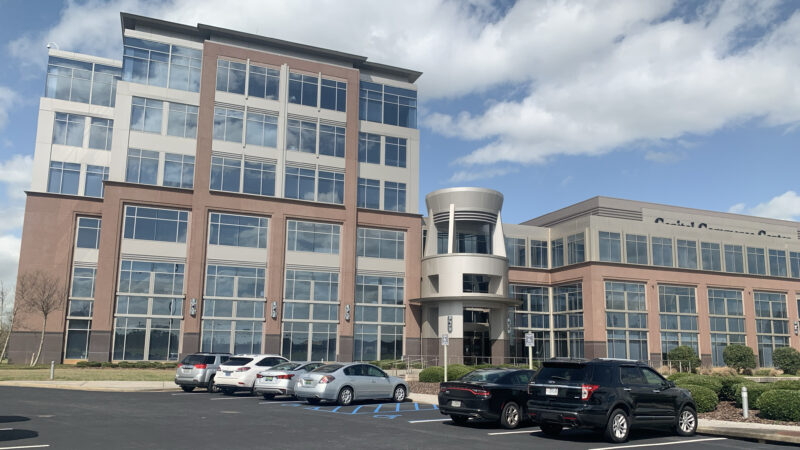
Parole and pardon meetings take place at the Capitol Commerce Center in Montgomery.
MONTGOMERY, Ala. (AP) — Seventy-one year-old Leola Harris is confined to a wheelchair, must undergo dialysis three times a week and is in end-stage renal failure, her attorney said. After serving 19 years of a 35-year murder sentence, the frail woman is not a threat to anyone and should be released to a nursing home to live out her final days, he argued.
The Alabama Parole Board disagreed and last week denied her parole after a brief hearing. She won’t be eligible again until 2028.
The rate of state inmates being granted parole in Alabama has plummeted to a new low, with 90% of eligible inmates being rejected last fiscal year, according to agency reports. Critics of the decline say the board is not following its guidelines and denial has become the default decision.
“This denial is an injustice and a waste of tax dollars,” said former Alabama Chief Justice Sue Bell Cobb, who now heads Redemption Earned, which represented Harris. The group is a nonprofit law firm that represents aged and ill inmates whom the organization determines are worthy of release.
“They are supposed to ask if someone has been adequately punished. She’s 71 and has served 19 years, without violations in 12 years,” Cobb said. “Then the next question is: Do they pose a risk to public safety? The woman is in a wheelchair and cannot even go to the bathroom by herself. She’s dying and they just denied her parole. It is an injustice. It is shameful.”
Harris’ parole was opposed by Victims of Crime and Leniency, an advocacy group for victims and their families, and the state attorney general’s office. They argued against Harris’ release because she was convicted of murder.
Harris was convicted of murder for the 2001 killing of Lennell Norris, who was found dead at her kitchen table. Harris testified at her trial that Norris was a friend who would often come by her house at night, but maintained she did not shoot him and that someone else was in the house that night.
The three-member board granted parole to 409 inmates and turned down 3,593 others in the fiscal year that ended Sept. 30, according to records from the Alabama Bureau of Pardons and Paroles. The grant rate of 10% is a fraction of what it had been in previous years and comes after four straight years of decline. The rate was 31% in fiscal year 2019, before falling to 20% in 2020 and then 15% in 2021.
Parole board Chairwoman Leigh Gwathney declined to comment to questions submitted through an agency spokesperson.
State Rep. Chris England, who has called for changes at the board, argued political concerns are driving the limited releases.
“Folks that are pushing this process where we don’t release anyone are more concerned with headlines than they are with public safety,” England, D-Tuscaloosa, said.
Leah Nelson, research director at the legal nonprofit Alabama Appleseed Center for Law and Justice, said the state is creating “conditions for combustion” within prisons that the U.S. Department of Justice has said are already among the most violent in the country.
“We have a parole board that evidently is finding that no one meets whatever standard it has in mind. No one has any hope. We have a despair machine,” Nelson said.
In 2020, guidelines were put in place, including a scoring system, to determine if release is recommended. The board conformed to the guidelines about 30% of the time, according to state records.
Cam Ward, executive director of the Alabama Bureau of Pardons and Paroles, said the guidelines are just that.
“The law says it’s up to the board. They have total discretion,” Ward said.
He cautioned about comparing parole rates to the years before 2019, because of sentencing changes.
A horrific crime in north Alabama led to changes at Alabama’s parole board. In 2018, eight months after Jimmy O’Neal Spencer was released on parole, he was charged with killing three people, including a 7-year-old and his grandmother. In 2019, Alabama Gov. Kay Ivey signed legislation overhauling the board appointment process.
“If these folks are upset about the number of inmates paroled, they should come everyday and listen to the horrible crimes they committed. They would understand why these violent offenders should serve their sentence,” Janette Grantham, executive director of Victims of Crime and Leniency, wrote in an email.
Alabama Attorney General Steve Marshall defended the low parole rate.
“By law, the paramount duty of the board is to ensure public safety—not to appease the anti-incarceration community,” his office said in a statement released through a spokesman.
Stacy George, a former corrections officer who has been outspoken about prison conditions, said he believes the board should hear from inmates directly, at least remotely via computer, and find out more about their circumstances. People eligible for parole in Alabama currently do not appear before the board.
“There are people that never need to actually get out of prison, but there are people that do need to get out and get a second chance,” George said.


With temporary protections for some Afghans set to expire, appeals court steps in
An appeals court late Monday stepped in to keep in place protections for nearly 12,000 Afghans that have allowed them to work in the U.S. and be protected from deportation.

HBO’s new Billy Joel documentary is revelatory — even if it pulls some punches
The new two-part documentary, which premieres Friday on HBO, is a good example of the tension between access and objectivity that filmmakers face in making documentaries on celebrities.

A wildfire destroyed the historic Grand Canyon Lodge. It burned down once before
The Grand Canyon Lodge is the only hotel on the park's North Rim, which is closed for the rest of the season due to wildfire risk. The hotel was already rebuilt once, after a kitchen fire in 1932.

Why the Federal Reserve’s building renovations are attracting the White House’s ire
The Fed's $2.5 billion headquarters renovation is attracting mounting criticism from the Trump administration, which had been already attacking the central bank for not cutting interest rates.

Supreme Court says Trump’s efforts to close the Education Department can continue
The Trump administration had appealed a decision that had directed it to stop gutting the U.S. Education Department and to reinstate many of the workers the government had laid off.

Trump tells supporters not to ‘waste time’ on Epstein files. They’re not happy
President Trump is facing backlash from his supporters and opponents alike for how his administration has handled the release of evidence surrounding the death of disgraced financier Jeffrey Epstein.