
Alabama COVID-19 Hospitalizations Hit Record High
Alabama’s coronavirus numbers have hit a new high.
The Alabama Department of Public Health reports 647 people were hospitalized for COVID-19 Wednesday, the most since the pandemic began. There were also 849 new cases, the highest in a single day. That spike concerns University of Alabama at Birmingham healthcare epidemiologist Dr. Rachael Lee. She spoke with WBHM’s Andrew Yeager.
This interview has been condensed and edited for clarity.
What’s behind the increase in coronavirus cases and hospitalizations:
If you look at the timing, it looks like this may be related to Memorial Day. So by Memorial Day we were all completely opened up and we had a lot of fatigue in terms of being under quarantine. And so once the state opened up and loosened a lot the restrictions, we got together, had vacations, restaurants have opened up, bars have opened up. Because of that close connection with other people, being within six feet and potentially not wearing masks … that may be driving our numbers and our cases.
Hospital capacity limited:
As a state we still do have some capacity. But if you think about where the issues are, so for instance, in Montgomery with their capacity, it’s very difficult to take care of those large number of patients. One of the things that we would be concerned about would be your ventilators … At UAB we have capacity to take care of more patients with COVID-19, but that also requires coordination. We’d need to transfer patients from other areas to be able to care for them. At the current rate that we’re seeing an increase in number of cases, we will not have enough ventilators to care for the people that need ventilators. We will not have enough hospitalized beds, and that can lead to an increase in mortality.
Why the hospitalization rate is a reliable indicator:
The hospitalization rate allows us to realize that it’s more than just an increase in our testing capacity. So as we’ve seen an increase in the number of cases, I’ve heard pretty consistently, ‘Well, we’re also doing more tests and maybe that’s why we’re identifying more people.’ But if you are identifying more people, then potentially the hospitalization numbers shouldn’t really go up. But as we’ve seen the hospitalizations are consistently going up and that’s where we’re concerned that we can’t take care of these patients in the way that we would want to.

Syrian government announces a ceasefire with the Kurdish-led Syrian Democratic Forces
Syria's new leaders, since toppling Bashar Assad in December 2024, have struggled to assert their full authority over the war-torn country.

U.S. military troops on standby for possible deployment to Minnesota
The move comes after President Trump again threatened to invoke the Insurrection Act to control ongoing protests over the immigration enforcement surge in Minneapolis.
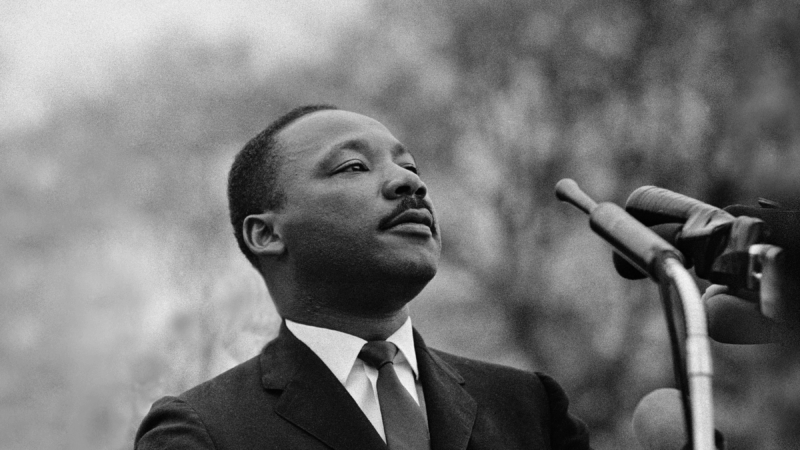
Martin Luther King Jr. had a dream … about health care
A doctor from Nigeria tells what Martin Luther King Jr. taught him about health, Justice and inequality.

Sunday Puzzle: It takes two
Ilyse Levine-Kanji of Westborough, Massachusetts plays the puzzle with Weekend Edition Puzzlemaster Will Shortz and host Ayesha Rascoe.

Venezuela: Maduro’s enforcer Cabello still central to power
The ousting of Venezuela's president raised hopes of change — but the politician now controlling the streets shows how little has really shifted.
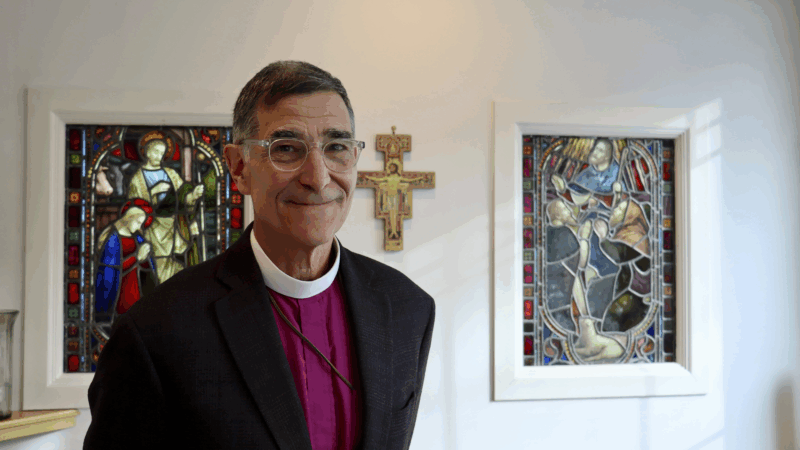
Amid ICE clashes, New Hampshire bishop urges clergy to prepare their wills
The Episcopal bishop of New Hampshire told priests protesting ICE to get their wills and affairs in order. Some praise the bishop, while other priests say they never signed up to be martyrs.
