
Partnership Aims to Make Birmingham’s Economic Growth More Equitable
Birmingham has gained attention for its downtown rebirth. But the Birmingham area economy still falls behind similar cities, particularly when it comes to job growth. A partnership announced in December between the city and the Brookings Institution, a Washington, D.C. think tank, aims to boost the Birmingham economy with an eye toward making those gains more equitable. Brookings fellow Andre Perry, one of the researchers advising the city, says about half of Jefferson County residents are doing well, but the other half, many of whom are minorities, struggle. Perry says racism and structural inequality drags on the economy and that hurts the entire community.
WBHM’s Andrew Yeager spoke with Perry about the project.
Interview Highlights
What the partnership consists of:
“We’ve already engaged in a market scan and in that market scan we’ve found gaps in the economy, areas that we should improve upon. So our job now is to look at those gaps and identify potential solutions. Now the city and the county, there’s a lot of things going on. We want them to have the analytics to really navigate current projects but also to identify other opportunities out there.”
How to make growth inclusive and not just enrich those already in positions of wealth and influence:
“At some point city leaders must take chances in hiring people, in investing in black and brown people and the folks of Birmingham, Alabama, know too well that the tradition of not supporting one another oftentimes reigns supreme. At some point people who have resources must extend them to people who have not been trusted with resources in the past. So, I’m talking about the places like Ensley. I’m talking about black entrepreneurs. I’m talking about other areas in the city that folks just don’t feel those resources are going to be used for growth.”
What’s success for this partnership:
“Obviously we want to see growth in the economy. We want to see more jobs. We would like to see the infrastructure to make that happen. So obviously you need support systems. You need new revenue streams. But more importantly we want a group of civil actors to demand change that will not uphold [the] status quo, that’s willing to take risk that other generations have not. If we can get that mindset change, oh, growth will come.”

Mass trial shines a light on rape culture in France
A harrowing and unprecedented trial in France is exposing how pornography, chatrooms and men’s disdain for or hazy understanding of consent is fueling rape culture.

What’s your favorite thing about fall?
With cooler mornings and shorter days, if feels like fall is finally here. So what’s your favorite thing about fall? We put that question to people at our recent News and Brews community pop-up in Cullman.

Teammates LeBron and Bronny James make history as the NBA’s first father-son duo
The Jameses, who both play for the L.A. Lakers, shared the court for several minutes on the NBA's opening night. They join a very small club of father-son teammates in American professional sports.
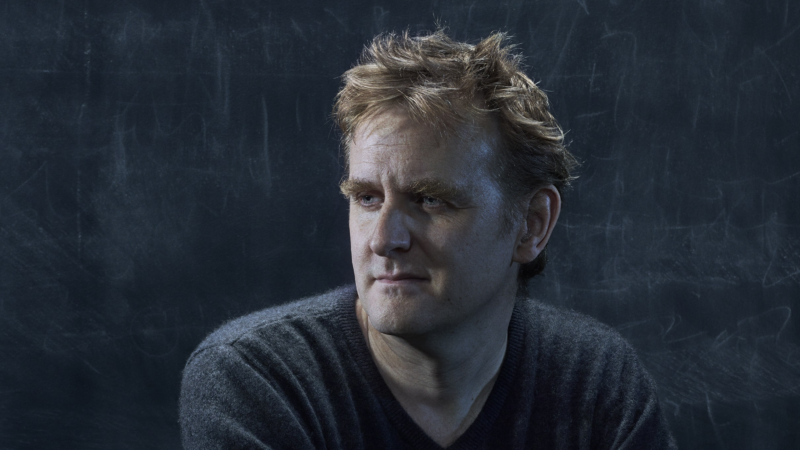
After John le Carré’s death, his son had the ‘daunting’ task to revive George Smiley
Nick Harkaway grew up hearing his dad read drafts of his George Smiley novels. He picks up le Carré's beloved spymaster character in the new novel, Karla's Choice.

When Steamboat goes WHOOSH, scientists look for answers
What triggers geysers to go off is still not well understood. A new paper shows that one small earthquake likely triggered an eruption of the world's tallest active geyser, Steamboat.
Trump’s ex-chief of staff warns his former boss would rule like a ‘fascist’
John Kelly is one of several Trump-era White House officials to publicly criticize their former boss, arguing that Trump is not fit to hold office again.