
Why Birmingham-Southern is Slashing Tuition
Car shoppers aren’t the only ones who experience sticker shock. It happens with colleges, too. Birmingham-Southern College has announced that beginning next fall, it’ll slash its $35,000 a year tuition in half. It’s one of several schools around the country cutting tuition in hopes of attracting more students. But there’s more to it than the sticker price.
Jeremy Scott, 22, left Birmingham-Southern to work full time. He hadn’t planned on joining the workforce full time so soon. Two years ago, Scott was a sophomore at Birmingham-Southern College.
His freshman year, it cost him $28,000 a year to attend Birmingham-Southern. The next year, tuition went up a few thousand dollars, and he just couldn’t afford it anymore. But he might’ve stuck it out if he knew what was coming. Birmingham-Southern announced starting next fall, it will cut tuition in half. Last year at least eight colleges and universities offered similar discounts. Birmingham-Southern’s might be the biggest.
“The sticker price at Birmingham-Southern for tuition and fees had reached $35,000, and when you included room and board the total price was approaching $50,000,” says Linda Flaherty Goldsmith, president of Birmingham-Southern.
But the sticker price is often much different than what students pay after you factor in scholarships and other financial aid. More than 90 percent of students at Birmingham-Southern receive scholarships. But Goldsmith says many students didn’t know that. She wanted those students to at least consider the school. “When we did our research, we learned that 80 percent of students would not look at a college a second time if it had a sticker price anywhere near that rate,” she says.
But cutting tuition doesn’t necessarily mean Birmingham-Southern loses money. Goldsmith says they’ll make up for the lower sticker price by offering less in scholarship money. That’s a common strategy, says Rick Seltzer, a reporter with Inside Higher Ed who looked at tuition cuts recently. “In some places it’s probably possible to cut your sticker price and in the end never actually lose any money,” he says.
That’s because when you throw in a big price cut and take away scholarship money, students end up paying the same. There’s another benefit to Birmingham-Southern: the lower sticker price could drive more students to the school. Think of it like Walmart—they charge less but make up for it by selling higher volumes.
Birmingham-Southern’s enrollment is about 1,300; it wants to get to 1,600. And Goldsmith says the tuition cut is one part of its growth strategy. The school added four new majors. And it started partnerships with community colleges and other schools around the state making it easier for students to transfer in.
And Seltzer says it’s things like this—not tuition cuts alone– that make schools stand out to college applicants.
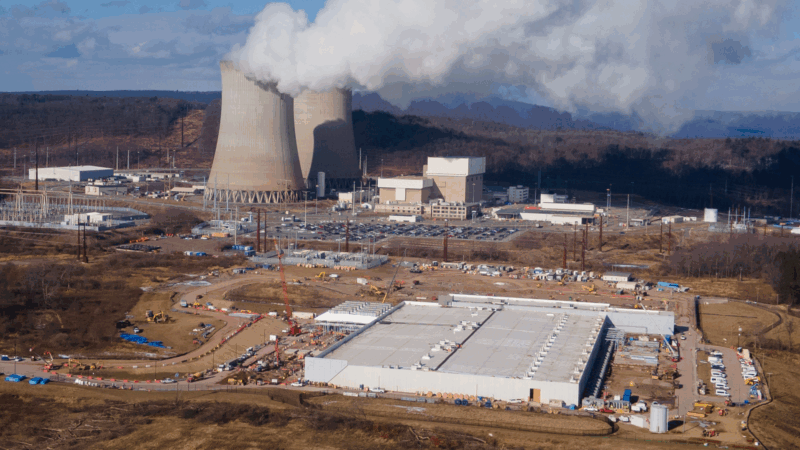
These major issues have brought together Democrats and Republicans in states
Across the country, Republicans and Democrats have found bipartisan agreement on regulating artificial intelligence and data centers. But it's not just big tech aligning the two parties.
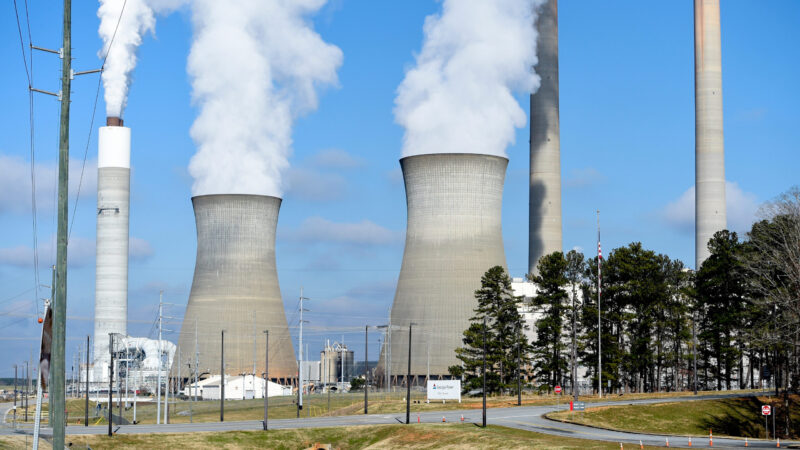
Feds announce $4.1 billion loan for electric power expansion in Alabama
Federal energy officials said the loan will save customers money as the companies undertake a huge expansion driven by demand from computer data centers.
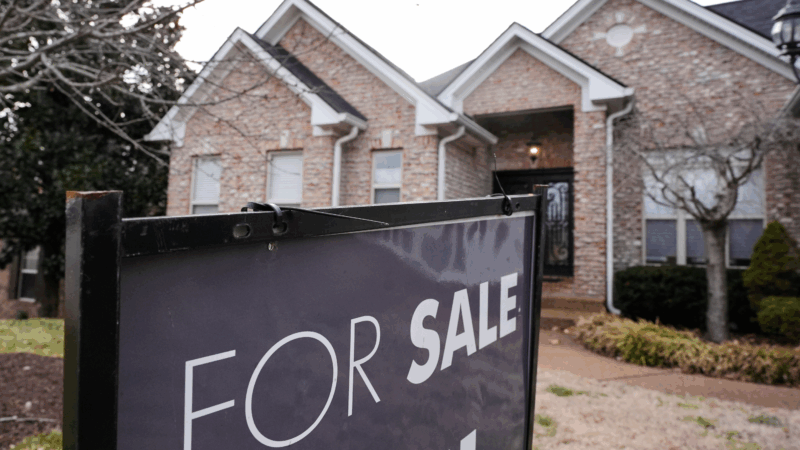
Mortgage rates fall below 6% for the first time in years
The average home loan rate has dropped below 6% for the first time since 2022. Will that help thaw the frozen housing market?

Baby Keem’s boulevard of broken dreams
Ca$ino, the rapper's second album for his cousin Kendrick Lamar's label, is whiplash embodied, a mirror for the extreme highs and lows of his Sin City hometown.

Pentagon shifts toward maintaining ties to Scouting
Months after NPR reported on the Pentagon's efforts to sever ties with Scouting America, efforts to maintain the partnership have new momentum
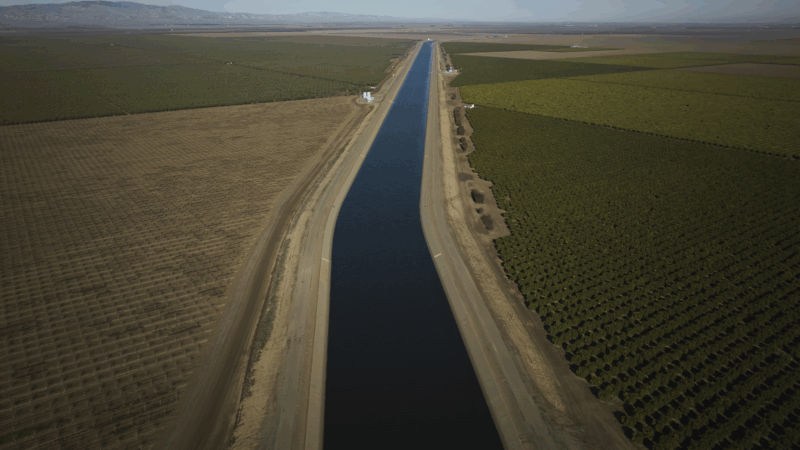
Why farmers in California are backing a giant solar farm
Many farmers have had to fallow land as a state law comes into effect limiting their access to water. There's now a push to develop some of that land… into solar farms.
