
Viruses Could Trigger Early Gray Hair
A new UAB study looking at stem cells in mice might have nudged scientists toward a better understanding of one of the often-dreaded realities of aging: gray hair.
The study published last week suggests certain types of infections can start or speed up the hair-graying process in mice. UAB biologists found that triggering some of the animals’ immune systems resulted in a loss or malfunctioning of special stem cells that make melanocytes, which make hair pigment. That loss led to more and earlier graying.
Learning more about how the immune system interacts with melanocyte stem cells could also mean more insight into diseases like melanoma and vitiligo.
It’s unknown whether the findings extend to humans, but the authors think the study could explain why some people go gray early. They also say it might help explain anecdotal stories of hair turning gray after viral infections.


Florida’s 6-week abortion ban will have a ‘snowball effect’ on residents across the South
Abortion rights advocates say the ban will likely force many to travel farther for abortion care and endure pregnancy and childbirth against their will.

Attitudes among Alabama lawmakers softening on Medicaid expansion
Alabama is one of ten states which has not expanded Medicaid. Republican leaders have pushed back against the idea for years.

Birmingham is 3rd worst in the Southeast for ozone pollution, new report says
The American Lung Association's "State of the Air" report shows some metro areas in the Gulf States continue to have poor air quality.

Why haven’t Kansas and Alabama — among other holdouts — expanded access to Medicaid?
Only 10 states have not joined the federal program that expands Medicaid to people who are still in the "coverage gap" for health care

Once praised, settlement to help sickened BP oil spill workers leaves most with nearly nothing
Thousands of ordinary people who helped clean up after the 2010 BP oil spill in the Gulf of Mexico say they got sick. A court settlement was supposed to help compensate them, but it hasn’t turned out as expected.
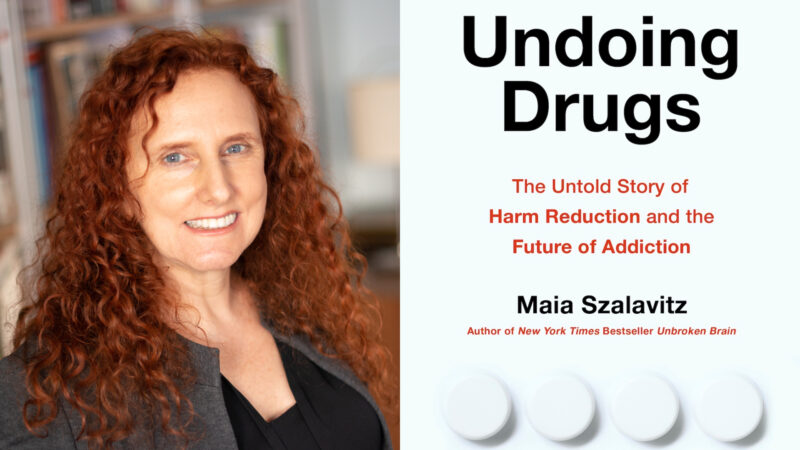
Q&A: How harm reduction can help mitigate the opioid crisis
Maia Szalavitz discusses harm reduction's effectiveness against drug addiction, how punitive policies can hurt people who need pain medication and more.