
Student Group Helps Alabama Residents Sign Up for Health Insurance
The deadline to sign up for healthcare coverage under the Affordable Care Act is March 31. According to the Kaiser Family Foundation, many of Alabama’s uninsured still don’t understand how the new healthcare law works. But a group of Alabama college students are trying to change that. For WBHM, Greg Bass takes a closer look at Bama Covered, an organization that’s getting Alabama residents signed up for health insurance.
Kathleen Henderson is a community college student in Jasper — and one of the 660,000 people who are uninsured in Alabama.
“I’ve been uninsured since, it’s been about 4 years,” says Henderson. “I got a divorce and got laid-off, which covered the health insurance. And I didn’t have health insurance, and I didn’t think too much about it until I went for a routine checkup and they told me that I might have cancer.”
She went to free clinics, where she endured long lines and long waits between appointments. Eventually, she was pronounced cancer free, but she doesn’t want to revisit those days and she wants to help others, too.
“So I thought Bama Covered would be the perfect place for me,” Henderson says. “I can learn. Not only for me, but for all the other people like me who just don’t understand or don’t know where to go. Maybe I can help spread that.”
On its face, Bama Covered is a simple program. It’s a student volunteer organization that provides information about the Affordable Care Act and helps people through the signup process. There are incentives, too. Bama Covered has given $1,000 scholarships to 30 community college students to encourage their participation.
Daniel Liss cofounded Bama Covered with his friend Josh Carpenter, an Alabama native.
“If you really want to go to where the American Dream begins it’s the community colleges where the students are an average of 27 in this state, where they are working, where they have children, where their lives are going on,” says Liss. “They don’t pause when you go to Calhoun or you go to Lurlene B. Wallace in Andalusia. You’re living it.”
In November, during the disastrous rollout of the Obamacare enrollment phase, the pair were in London. Liss worked at Deutsche Bank and Carpenter attended Oxford. They decided to visit Alabama to see what affect the new law was having on the uninsured.
Josh Carpenter was struck by what he saw.
“We were here for a week. We met with a ton of different people and the word that both of us walked away with were overwhelmed,” says Carpenter. “Overwhelmed with correcting myths and understanding about what the law meant. And so our goal was to just see if we could mobilize students around an information campaign to make that work.”
So Liss quit his banking job and Carpenter put his graduate studies on hold to come to Alabama and mobilize students. Each student would get at least three hours of training and would be encouraged to have at least 100 conversations with uninsured people. Carpenter believes this person-to-person approach to healthcare education is essential.
“Healthcare is intensely personal, says Carpenter. “I’m going to take my cues not from the news not from the news but from the basketball coach in my community or my pastor or the barber I go see on a regular basis. So our approach is to meet with folks where they are, right. So meet them where they’re comfortable on their turf and have an honest and open dialog about what might be best for them.
One place to find the uninsured in Alabama is at church. Reverend Don Solomon of the Lily Grove Baptist in Birmingham has helped Daniel Liss connect with pastors all over the state.
“I am very impressed with the work you have brought to our city and our state,” says Rev. Solomon to Carpenter. “I am concerned as to whether we are meeting your demand in terms of putting you before congregations.”
“We met in December,” says Carpenter, “and since you introduced us to Reverend Winston and Reverend Wilder and all these different reverends, and that has snowballed.”
Bama Covered now has more than 600 student volunteers in the field, but the end-of-March deadline for enrollment is fast approaching. Josh Carpenter is hopeful that health insurance will provide people with more than just access to healthcare.
“There’s a single story that has defined Alabama since slavery and George Wallace and the segregation quote on the Capitol steps and I don’t think it’s a fair one,” says Carpenter. “We have a dark history. Things in the state have been poor. But Alabama also has some really, really strong traits. And our goal is that this can help how Alabama perceives itself and how it is perceived on a national and international stage as well.”
At the end of February, Alabama had reached 84% of its projected enrollment goal, ahead of the national 75% average.

Why is the U.S. attacking Iran? Six things to know
The U.S. and Israel launched military strikes in Iran, targeting Khamenei and the Iranian president. "Operation Epic Fury" will be "massive and ongoing," President Trump said Saturday morning.
Unlocking the secrets of an ancient plague
The first historically recorded pandemic is believed to have struck the walled city of Jirash, in what is now modern-day Jordan, in the 7th century. A new study reveals details about those who died.
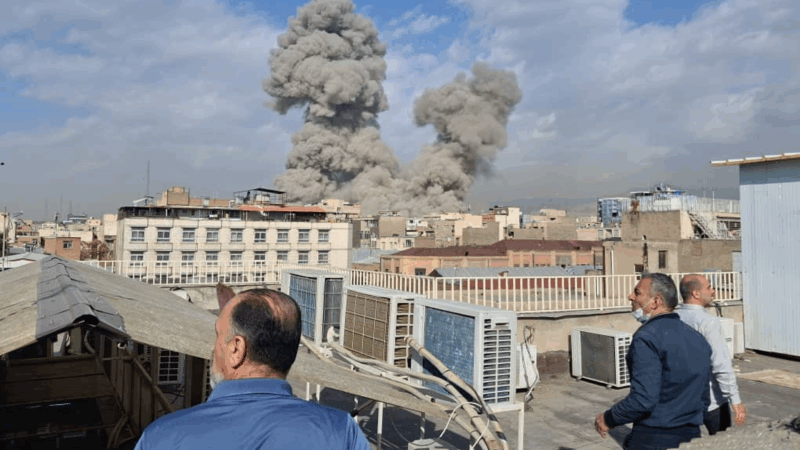
Panic, fury, and some hope, in Iran as U.S. launches strikes
In Tehran, panicked residents rushed home to shelter and terrified children poured out of classrooms as U.S. air strikes hit the capitol.
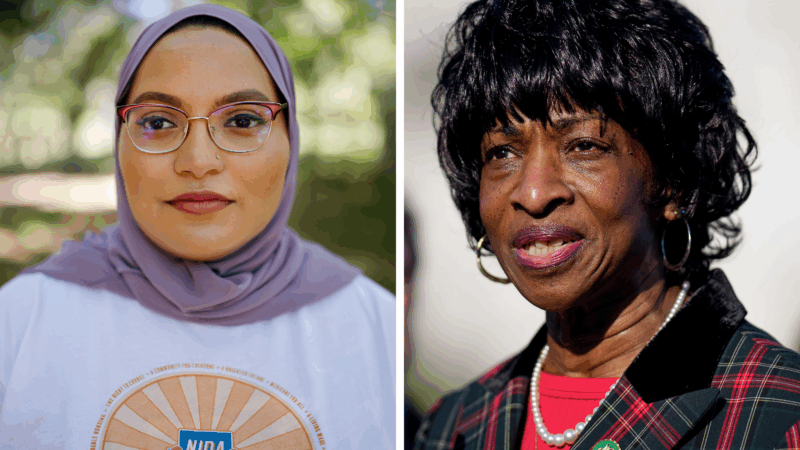
North Carolina Democrats latest to chart future of the party in congressional primary
In a safe Democratic seat in North Carolina, a match-up between a two-term Congresswoman and a progressive local official show how Democrats are charting the future of their party in the age of Trump.
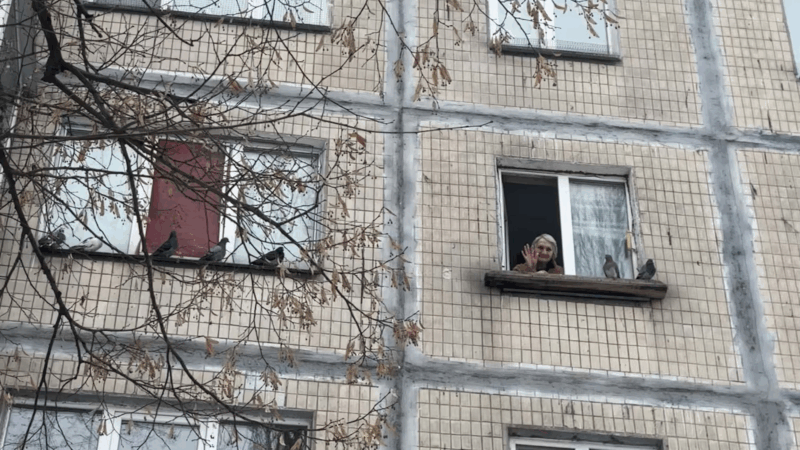
Kyiv’s elderly endure blackouts and bombardment, clinging to warmth and hope
In Kyiv's darkened high-rises, as Russian strikes batter the Ukrainian capital, older residents endure freezing nights and power cuts, relying on volunteers, pets and faith to survive another winter.
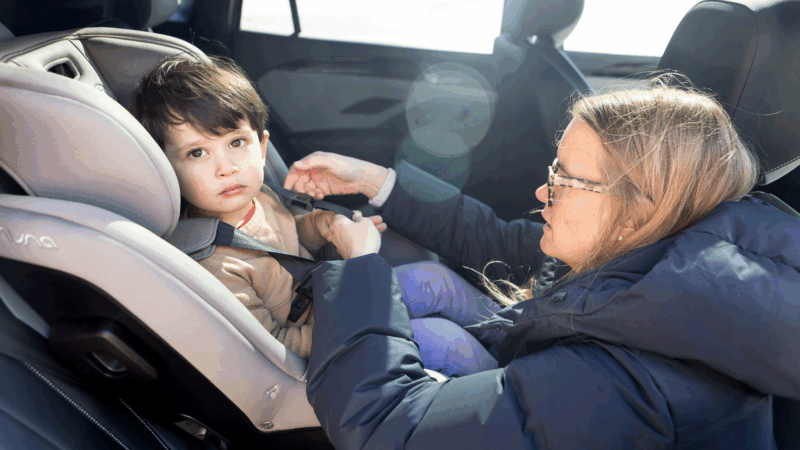
Parents, are you sure your kid’s car seat is installed right? Here’s how to know
In this visual guide, certified car seat experts walk through common installation mistakes and how to fix them. Learn what a secure car seat base and a tightly fastened tether look like and more.
