
Ahmad Ward: Birmingham’s Reaction to Violence in Ferguson
US Attorney General Eric Holder went to Ferguson, Missouri this week. He’s there to meet with law enforcement officials to discuss the protests and unrest following the death of Michael Brown. He’s the unarmed black man who was killed by a white police officer on August 9th. The racial tensions and violence in Ferguson are bringing back memories of the 1960’s here in Birmingham.
Ahmad Ward, is the head educator at the Birmingham Civil Rights Institute. He sees some parallels between the chaos in Ferguson today and Birmingham in the 1960’s. He spoke with WBHM’s Sarah Delia and started off by describing his reaction to the violence in Ferguson.

NASA targets Artemis II crewed moon mission for April 1 launch
A six-day launch window opens on April 1 from NASA's Kennedy Space Center in Florida. The lunar orbital mission would be the first time humans have returned to the moon since Apollo 17 in 1972.

Auburn football player uses NIL funds to open a community hub in Birmingham
Jourdin Crawford, a freshman defensive lineman at Auburn, used earnings from a Name, Image, and Likeness deal to give back to his hometown.

Fear of Iranian mines in the Strait of Hormuz could further slow the flow of oil
Attacks by Iran have already nearly halted the flow of oil through the vital waterway as commercial ship crews fear being hit by missiles, drones or mines.

Suspect in attack at Michigan synagogue is dead, officials say
Security officers at Temple Israel had "engaged the threat" that apparently started with a vehicle ramming into the building, according to Oakland County Sheriff Mike Bouchard.
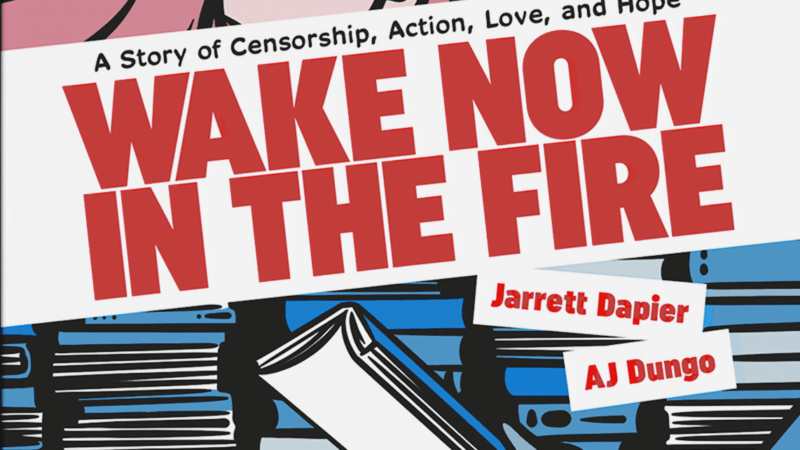
This tale of a Chicago school book ban was inspired by true events
Librarian Jarrett Dapier's graphic novel tells a fictionalized account of real-life events in 2013 that restricted access to Marjane Satrapi's memoir Persepolis in Chicago Public Schools.
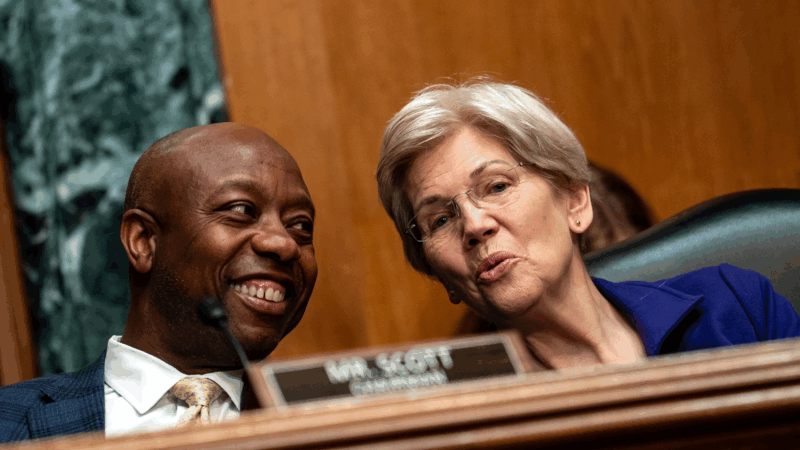
Senate passes bipartisan housing bill targeting large investors and easing regulations
The 21st Century ROAD to Housing Act would ban large investors from buying up single-family homes.
