
Bentley Rejects Health Exchanges, Medicaid Expansion
Gov. Bentley Rejects Key Provisions of Affordable Care Act
Alabama is joining a growing list of states that will not set up an insurance exchange under the federal health care law. Governor Robert Bentley announced yesterday he will not authorize the state-based exchange. He cites cost, saying it would create a tax burden of up to $50 million dollars. He also announced he will not expand Medicaid because the state can’t afford it.
The Affordable Care Act requires state insurance exchanges (read an explainer from NPR’s Julie Rovner here). If a state refuses to set one up, the federal government will do it for them. Some observers say its ironic and risky that so many republican governors are essentially handing over control of the state health care exchanges to the federal government. But Washington Post health policy reporter Sarah Kliff argues republican governors may be “making a very smart decision that could ultimately strengthen the Affordable Care Act rather than detract from it.”
The Medicaid expansion is optional and would have been almost completely paid for by the federal government. The Kaiser Family Foundation says more than 350,000 low income Alabamians who currently don’t have health insurance would have been added to the Medicaid rolls under the expansion. The Urban Institute estimates the Medicaid expansion would have pumped $10 billion federal dollars into Alabama’s economy over the next 6 years. Alabama Arise, a statewide coalition that advocates for low-income residents, says the Governor’s decision is a major blow to the state’s health care system and overall economy.
House Minority leader Craig Ford also criticized the governor’s decision. The Gadsden Democrat says the governor “is playing politics and wants to appear like he’s fighting Obamacare, when all he has really done is turn over these crucial decisions to the federal government and lost an opportunity to get back tax dollars.”
Bill Armistead, Chairman of the Alabama Republican Party, commended Gov. Bentley for his decision.
“The voters in Alabama have spoken loud and clear in sending Barack Obama a message that we do not like his liberal policies and I am glad to stand with Governor Bentley in opposing ObamaCare here in Alabama,” said Armistead.
In related news, Nov 12 – 16 is Rural Health Week in Alabama. According to the Alabama Rural Health Association there are severe shortages of health care providers in Alabama. There are 67 counties in state. Of those, 55 are considered rural. And all of them have shortages of dental and mental health care. More than half of the rural counties in the state don’t have hospitals that deliver babies. And seventeen don’t have a dialysis clinic. The ARHA says health care shortages make it difficult to recruit industry and jobs to rural Alabama.

‘Songs from the Hole’: The story behind JJ’88’s documentary and visual album
The visual album and documentary Songs from the Hole tells the story of James Jacobs, the hip-hop artist JJ'88, as he reflects on his coming-of-age within California's state prison system.

Oil price surges as Iran steps up attacks on ships in the Persian Gulf
Markets seesawed on Day 13 of the war in the Middle East, as two oil tankers were struck by projectiles near Iraq's southern ports and attacks between Israel and Hezbollah intensified.
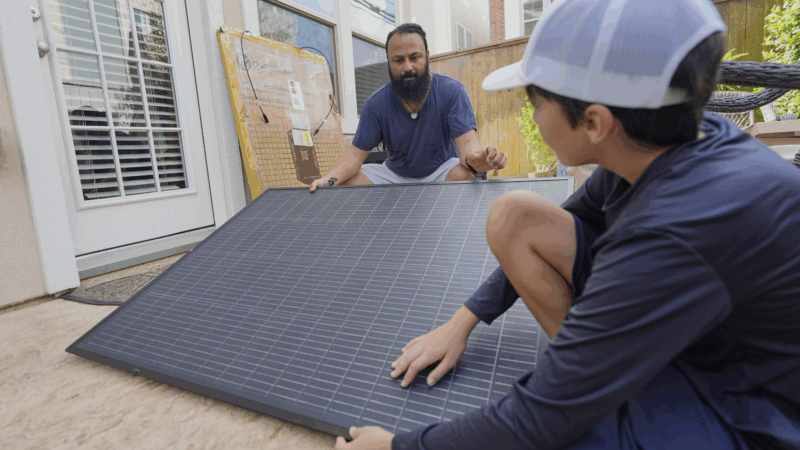
Easy-to-use solar panels are coming, but utilities are trying to delay them
Utilities are convincing lawmakers around the U.S. to delay bills that would allow people to buy solar panels, plug them into an outlet and begin generating electricity.

The Trump administration’s crackdown on immigrant truckers shifts into higher gear
The White House wants tougher rules for commercial licenses after several high-profile crashes involving foreign-born drivers. But critics say that would do little to make the nation's roads safer.
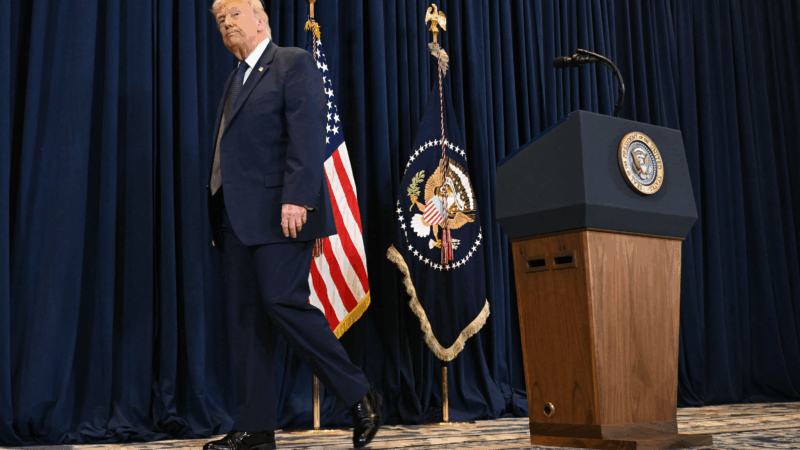
Trump’s war with Iran is angering some swing voters who want money spent at home
Swing voters who helped reelect President Trump in 2024 don't support his decision to go to war in Iran and instead want to see U.S. tax dollars spent tackling economic pressures facing Americans.

5 ways to resist the urge to keep looking at your phone
So you want to spend less time on your phone. How do you do that when it's designed to suck you in? Life Kit spoke to experts in behavioral science, psychology and technology for real-world advice.
