
Southern Environmentalism
When Forbes Magazine ranked states by their “greenness” the usual suspects topped the list – Vermont, Oregon, and Washington, all progressive states known for their environmental movements. Seven out of the ten “least green” states were in the South, the land of coal mines and timber plots. But as WBHM’s Tanya Ott reports there’s a growing environmental movement down south and some of its members might surprise you.
There’s a vacant lot in downtown Birmingham, Alabama. It’s full of overgrown weeds, surrounded by warehouses that don’t look like they’ve been used in years. There’s really not a lot going on here. But James Smith sees something entirely different. He’s president of an international company called Green Building Focus. When he looks at this lot, he sees an uptapped market. He wants to build an eco-industrial park here.
“There are many companies out there in other parts of the country who want to have access to the southeastern market, they realize it’s one of the fastest growing markets in the country. And if you draw a 500 mile radius around Birmingham you hit every major developing area in the southeast. It’s really the ideal location geographically to become a regional manufacturing hub for sustainable products.”
Alabama, a green hub of the south? This is the land of mega-churches and Republicans, not environmentalists.
“The federal trend over the last 10 years, longer than that, no doubt has been if you’re a Republican you can’t be an environmentalist.”
That’s Gil Rogers. He’s an attorney with the Southern Environmental Law Center. He says nationally republicans get a bad rap for denying climate change and trying to roll back the endangered species list. But at the state and local level, things are often different in the south.
“We have a lot of republican champions, as an example, in the Georgia legislature that are republicans in terms of wanting lower taxes and less government intrusion into a lot of aspects of life. But then will go and realize that there needs to be more done in the way of environmental protection of water resources or of air quality. That those have real public health impacts.”
Rogers says these leaders often have strong ties their own piece of nature – maybe a stretch of land or a river.
“I’m a tree hugging, liberal – I mean a tree hugging conservative republican!Which I know some people may say is an oxymoron. But…”
That’s Charlie Houser. He’s mayor of Magnolia Springs, Alabama. It’s a small town of about 8,000 residents down by Mobile. Magnolia Springs is just as lovely as its name. Huge live oaks canopy the main street. But the rest action is on the river.
Houser fires up his pontoon boat to give me a tour. Magnolia Springs is the only place in the U.S. with full-time mail delivery by boat.
“We have had flooding where you have to call somebody and say, I got your bill but I couldn’t read it cause it was wet!”
Houser grew up here. When he moved back to retire, he worried about what he saw.
“I didn’t see the sea grass. We lost blue crabs, we lost pike.”
He blames agricultural runoff full of chemicals. So, when the town incorporated four years ago one of the first things mayor Houser and the mostly republican town council did was pass some of the toughest land use rules in the south. All new buildings have to set back 75 feet from the river. New subdivisions have to keep their run-off on site. The town has spent more than a quarter million dollars on a comprehensive plan and creating an Environmental Protection Committee. And it’s working, says councileman Ken Underwood.
“We started having brown pelicans showing back up. And today all the pelicans you see around, that’s a wonderful site. That’s a sign that the river is in better shape on a chemical basis. Look at the cormorants up in the treetops there. Beautiful site!”
Beautiful, and profitable. Today, Magnolia Springs economic engine is tourism and the revitalized river plays a big role in that.
Gil Rogers, with the Southern Environmental Law Center, says there are still big environmental threats in the south: coal mining, timber, and other industries. But he’s optimistic.
“People have started to recognize that there’re some real threats from population growth, poor development patterns. So I think there is a movement here going on and it’s unique to the south, I think, in a lot of ways.”
Certainly, it’s creating some interesting alliances such as environmentalists teaming up with hunters. It’s a small sign that conservative and conservation are little closer than they once were in the South.
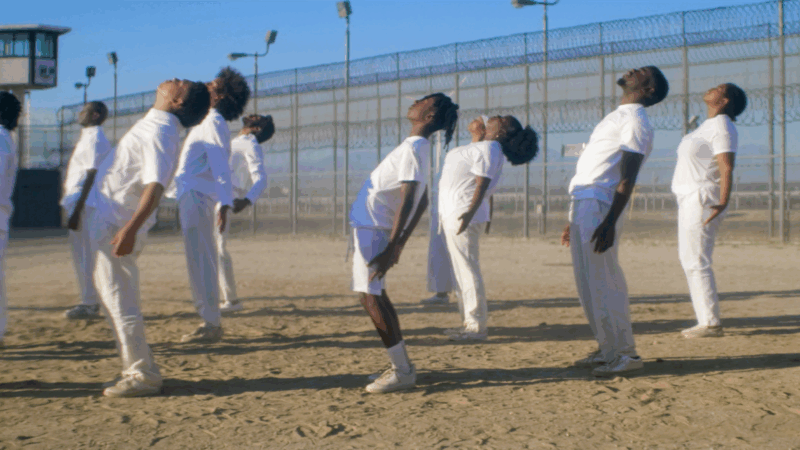
‘Songs from the Hole’: The story behind JJ’88’s documentary and visual album
The visual album and documentary Songs from the Hole tells the story of James Jacobs, the hip-hop artist JJ'88, as he reflects on his coming-of-age within California's state prison system.

Oil price surges as Iran steps up attacks on ships in the Persian Gulf
Markets seesawed on Day 13 of the war in the Middle East, as two oil tankers were struck by projectiles near Iraq's southern ports and attacks between Israel and Hezbollah intensified.
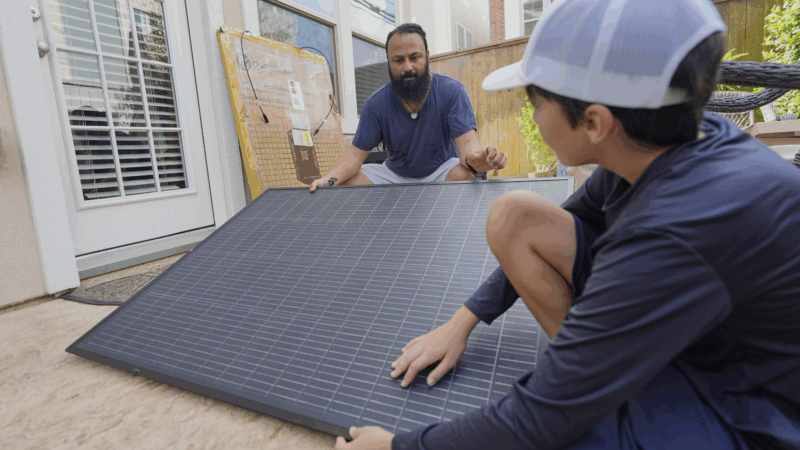
Easy-to-use solar panels are coming, but utilities are trying to delay them
Utilities are convincing lawmakers around the U.S. to delay bills that would allow people to buy solar panels, plug them into an outlet and begin generating electricity.

The Trump administration’s crackdown on immigrant truckers shifts into higher gear
The White House wants tougher rules for commercial licenses after several high-profile crashes involving foreign-born drivers. But critics say that would do little to make the nation's roads safer.

Trump’s war with Iran is angering some swing voters who want money spent at home
Swing voters who helped reelect President Trump in 2024 don't support his decision to go to war in Iran and instead want to see U.S. tax dollars spent tackling economic pressures facing Americans.

5 ways to resist the urge to keep looking at your phone
So you want to spend less time on your phone. How do you do that when it's designed to suck you in? Life Kit spoke to experts in behavioral science, psychology and technology for real-world advice.
