
Grocery Auction
Need another sign of the times? Head on down to Calera to the Cadle Auction House, where you might find more toilet paper and laundry soap than Waterford crystal and speed boats. WBHM’s Tanya Ott reports.
Tommie Lynn Morrison races the clock. People are already packing her auction house in downtown Calera. Morrison’s sons and grandson stack bottles of salsa and bags of beef jerky on tables. This is Morrison’s second grocery auction. The first one, in March, was standing room only.
“Calera is a blue collar town. Our economy has always been based on plants that we have here and when they start laying off it affects everything.”
One of Calera’s largest employers, Lafarge Cement, recently laid off workers in this town of 9,400. Quarry operator Jerry Burke still has a job, but he expects more layoffs and he wants to stock up. He’s here with his friend, Nancy Bunn.
“Money is tight right now and him being a man, doesn’t know how to shop anyway (Burke: ‘that’s true”) I said, ‘come and buy bulk’.”
Small grocery auctions have been around for years in the Midwest, but since January they’ve popped up in big cities and small towns across the country. Food prices have seen the worst inflation in nearly two decades, though they’ve dropped recently. At this auction, most prices are pretty good. A 20-pound bag of dog food goes for $5, less than half the normal price.
The food comes from a wholesale distributor in Mississippi. Some of it is past the “sell-by” date. The Food and Drug Administration does not prohibit the sale of most expired products. Still, Earl and Toye Bryant stick with fresher items they know their son will eat.
“Sweet Sliced pickles. He’ll eat ’em by the gallon.”
Business is down at the Bryant’s property management company. Earl hasn’t moved his bass boat in a year. And they don’t see as many movies or eat out as often. Tonight they’re stocking up on pork tenderloin, cheese and fruit juice.
“Yeah, it can get crazy and you just gotta have in the back of your mind what things cost so you know when to stop.”
And that’s the interesting thing about this auction. Unlike a regular auction, where there may be only one of a particular item, here there are multiples. The auctioneer inches up the price until bidding stops, then he offers that deal to everyone in the room who wants to buy.
“Anybody else want one for a dollar? Alright, ya’ll just hold your hands up if you want one for a dollar. We’ll get around to you.”
That could keep prices low. But not when bidding frenzy sets in. At this auction, some people shell out $9.50 for a big box of cookies that’s just $9 at Costco. Auction house owner Tommie Lynn Morrison says she does her best to keep prices reasonable. She struck a deal with the seller.
“If these people start bidding too much, let’s stop it. Let’s not let these people pay too much. They’re here because they want a good buy.”
Morrison says she didn’t make much profit on this auction. Maybe enough to pay the power bill. But, she says, she’ll eat the loss if it helps keep food on people’s plates.

Kalshi reveals insider trading case against editor for MrBeast
With prediction markets booming, so have concerns about insider trading. Now, Kalshi has disclosed its first public actions against accounts suspected of trading on confidential information.

Greetings from Jordan’s Wadi Rum desert, where patches of green emerge after winter rains
Wadi Rum's otherworldly landscape is where Star Wars movies and The Martian were filmed. In late winter, plants emerge in this desert — but some are toxic to camels, so their herders must protect them.
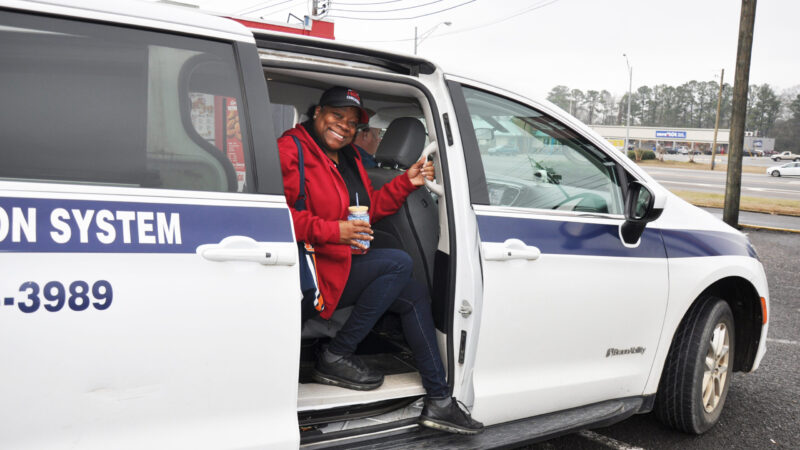
Lack of transportation keeps many Alabamians from working. Rural public transit programs are trying to help
While lack of transportation is a major employment barrier in Alabama, few people take public transit to work. That dynamic is even more pronounced in rural areas.

When a horse whinnies, there’s more than meets the ear
A new study finds that horse whinnies are made of both a high and a low frequency, generated by different parts of the vocal tract. The two-tone sound may help horses convey more complex information.
Hundreds of American nurses choose Canada over the U.S. under Trump
More than 1,000 American nurses have successfully applied for licensure in British Columbia since April, a massive increase over prior years.
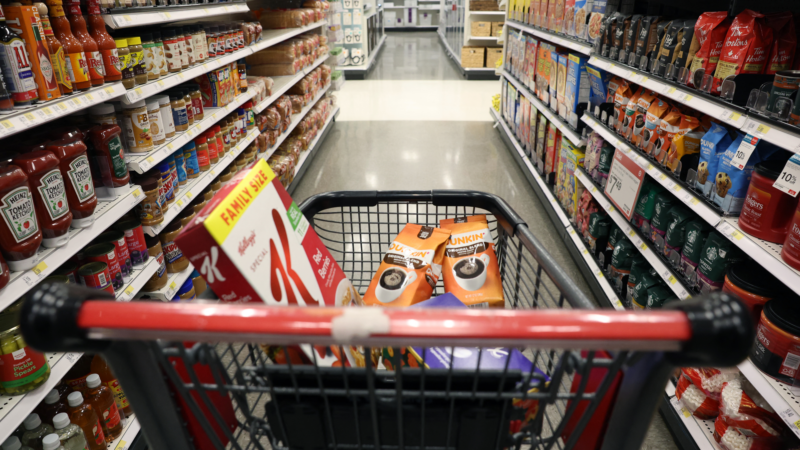
Trump’s many tariff tools mean consumer prices won’t go down, analysts say
The Supreme Court struck down President Trump's signature tariffs. But the president has other tariff tools, and consumers shouldn't expect cheaper prices anytime soon, economists say.
