
Greening the Greens
This time of year golf might be the farthest thing from your mind. But during the off-season golf course managers get to strategize how to best treat their million dollar turf. Some golf courses have a bad rap with environmentalists. But as WBHM’s Tanya Ott reports there’s a budding green movement in the golf industry.
Golf courses take knocks for using too many chemicals and too much water. Audubon International estimates the average American golf course uses 312,000 gallons a day. Gil Rogers is with the Southern Environmental Law Center. He says that’s a boatload of water.
“In Georgia, they’re defined as agriculture which doesn’t make any sense, but that allows them to use a lot more water than they would otherwise be able to.”
That can be a problem, especially in places with water shortages. Places like Atlanta, where a federal battle over water rights might soon leave the city high and dry.
Of course, on this day water doesn’t seem like much of a problem. It’s been raining all night. I’ve come to the Stone Mountain Golf Course, just outside Atlanta, to talk to superintendent Anthony Williams. He won golf’s highest environmental stewardship award this year.
Technicians raise the reels on the mowers to help protect the wet turf. Williams says it’s been a tough fall. In October a big storm – they call it the 500 year storm – dropped 16 inches of rain on Stone Mountain in one day. Williams says the only thing that saved his course were the acres of native plants.
“When that flood literally came into the property those plants did exactly what nature created them to do. They fluffed out. Fanned out and really just acted like a sponge.”
When Williams took over a few years ago he ripped out the non-native ornamentals and replaced them with native perennials that don’t require any additional watering. Just rain. Stone Mountain isn’t just using less water. It’s also using fewer chemicals. Williams’ crew is creative. Take, for instance, one of their big problems: wild geese. They can do a lot of damage to million dollar turf.
“We refer to it as the in and out damage. The ‘in damage’ is when they’re actually eating the grass and physically tearing the green up. The ‘out damage’ is as they’re walking, well, the eaten grass becomes, well goose droppings and then the cleanup is very, very difficult.”
Conventional golf courses spray foul-tasting chemicals on the grass or light fireworks overhead to scare the geese. But at Stone Mountain their secret weapon is a 13 year old hound dog named Cushman. When the geese see Cushman coming, they think he’s a predator. Williams says it works like a charm!
This focus on environmental stewardship is paying off financially. Anthony Williams says they’re using significantly less fertilizer and insecticides. He estimates they’ve saved nearly $50,000 on chemicals in the last two years. How confident is he about the health of his golf course? I asked him if he was willing to put his course to the test. Apparently, some old-school players still lick their golf balls to clean them. Not a good idea when there’re pesticides on the grounds. Would Williams do it now?
“There’s a lot of things in nature that you probably wouldn’t want to eat or put in your mouth. So the golf ball’s going to encounter a lot of those along the way. I would definitely line up with the ‘do not lick your balls’. I’m gonna be on that side of the fence.”
More golf courses are starting to look at their environmental impact for the first time. They’re planting different grasses. And nearly a thousand U.S. golf courses use recycled or reclaimed water. Another reason not to lick your balls.
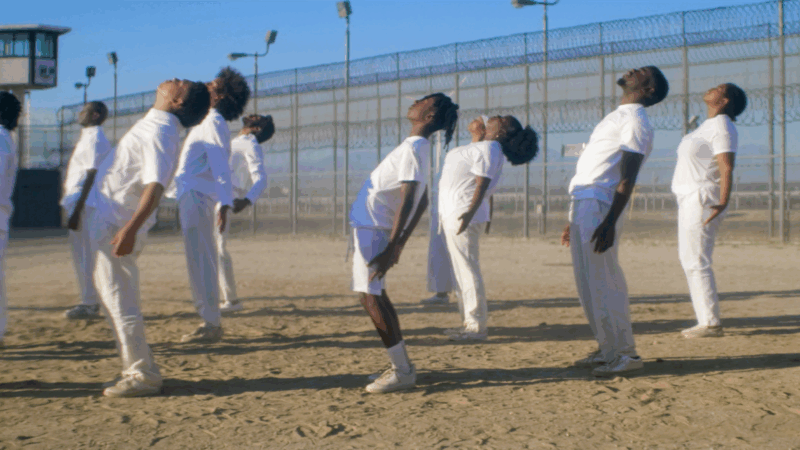
‘Songs from the Hole’: The story behind JJ’88’s documentary and visual album
The visual album and documentary Songs from the Hole tells the story of James Jacobs, the hip-hop artist JJ'88, as he reflects on his coming-of-age within California's state prison system.

Oil price surges as Iran steps up attacks on ships in the Persian Gulf
Markets seesawed on Day 13 of the war in the Middle East, as two oil tankers were struck by projectiles near Iraq's southern ports and attacks between Israel and Hezbollah intensified.
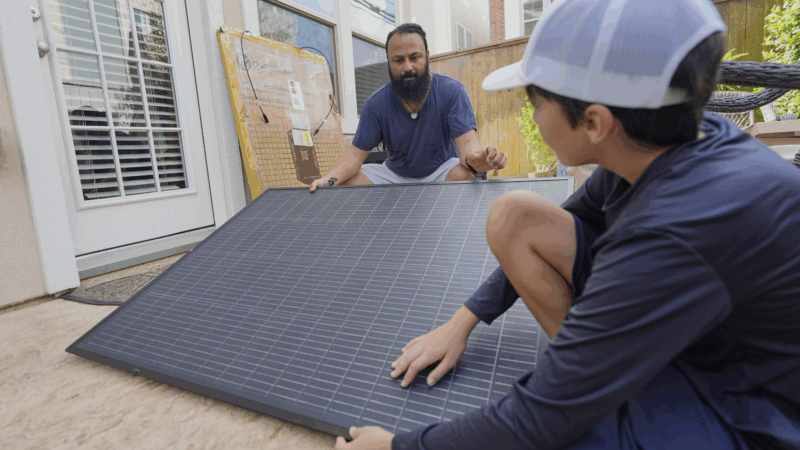
Easy-to-use solar panels are coming, but utilities are trying to delay them
Utilities are convincing lawmakers around the U.S. to delay bills that would allow people to buy solar panels, plug them into an outlet and begin generating electricity.

The Trump administration’s crackdown on immigrant truckers shifts into higher gear
The White House wants tougher rules for commercial licenses after several high-profile crashes involving foreign-born drivers. But critics say that would do little to make the nation's roads safer.
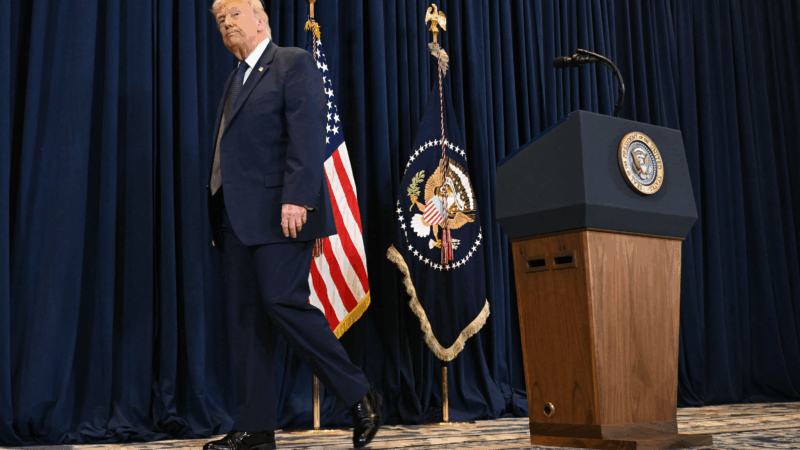
Trump’s war with Iran is angering some swing voters who want money spent at home
Swing voters who helped reelect President Trump in 2024 don't support his decision to go to war in Iran and instead want to see U.S. tax dollars spent tackling economic pressures facing Americans.

5 ways to resist the urge to keep looking at your phone
So you want to spend less time on your phone. How do you do that when it's designed to suck you in? Life Kit spoke to experts in behavioral science, psychology and technology for real-world advice.
