
Hurricane Ruins Convention Business
In the first few days after Hurricane Katrina hit, officials with the New Orleans Metropolitan Convention and Visitors Bureau had to make some pretty tough phone calls – canceling 200 large and medium-sized conferences and scores more smaller corporate meetings. Stephen Perry is the bureau’s president and CEO.
“Between Sept 1 and next March 31st, we cancelled nearly $3.5 billion dollars worth of business in New Orleans.”
Tourism is New Orlean’s biggest business, generating up to $9 billion a year in revenue and employing 85,000 people. So the cancellations are a major hit. But they can also be financially devastating to groups that rely on their annual conventions for revenue, according to Richard Coughlan, business professor at the University of Richmond.
“In fact, in some smaller examples, examples in smaller organizations, the annual meeting actually provides much of the operating budget for the entire year.”
That’s true for the Society of Public Health Education (SOPHE) whose annual conference was scheduled for November in New Orleans.
“The conference is necessary in order to keep the organization running.”
SOPHE convention planning committee member and UAB professor Brian Geiger says they’ve rescheduled for Philadelphia in December, but he worries attendance will be down.
“You haven’t been able to promote this as well because all of the marketing materials that went out six months ago, the colorful brochures, the webpage, all of the direct mail, has been a New Orleans address and a New Orleans date.”
Geiger says he’s nervous the sudden change in location will mean a big hit for his group’s bank account.
But large organizations like the AARP plan their conferences years in advance and director of member events, Bruce Sanders, says there was no way they could reschedule.
“AARP’s national event is not a professional convention where the attendees are on expense account and can simply change their schedule to adjust to it. A third or more of our attendees are baby boomers, full-time employed, so they have to take time off from work to participate.”
In the meantime, big cities like Los Angeles, Atlanta and Orlando have been circling like vultures, hoping to swoop up some of the displaced conventions. But New Orleans tourism officials like Stephen Perry are already gearing up for the fight to bring back the convention business.
“The city’s largest economic sector took a major hit, but the positive thing, was the tourism infrastructure ended up being the least damaged part of the entire city. We expect the tourism industry and convention and meetings business to lead the rebound here in New Orleans and be the leader also in getting a lot of the working population home.”
Even when New Orleans revs up its media campaign to draw the conventions back to town, Professor Coughlan says it may be a tough sell, at least for a while.
“I think that the psychological impact on the meeting planner on whose shoulders these events fall, is just so great right now that it’s going to be quite an effort to convince folks that it’s good to come back.”
The visitors bureau’s Perry says he’s up for the challenge. He says by Christmas, 95% of New Orleans’ hotels will be open and operating. But the date he’s got circled on the calendar is February 28th – Mardi Gras – the “soft” re-opening for the Big Easy’s tourism industry.
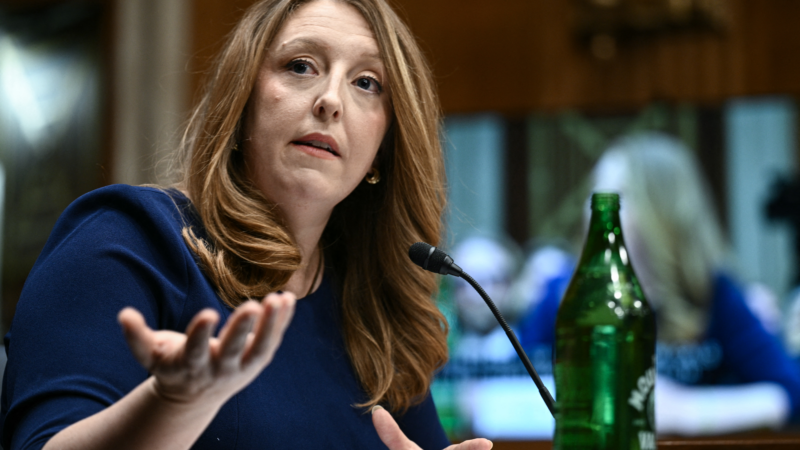
Surgeon general nominee Means questioned about vaccines, birth control and financial conflicts
During a confirmation hearing, senators asked Dr. Casey Means about her current positions and her past statements on a range of public health issues.

Kalshi reveals insider trading case against editor for MrBeast
With prediction markets booming, so have concerns about insider trading. Now, Kalshi has disclosed its first public actions against accounts suspected of trading on confidential information.
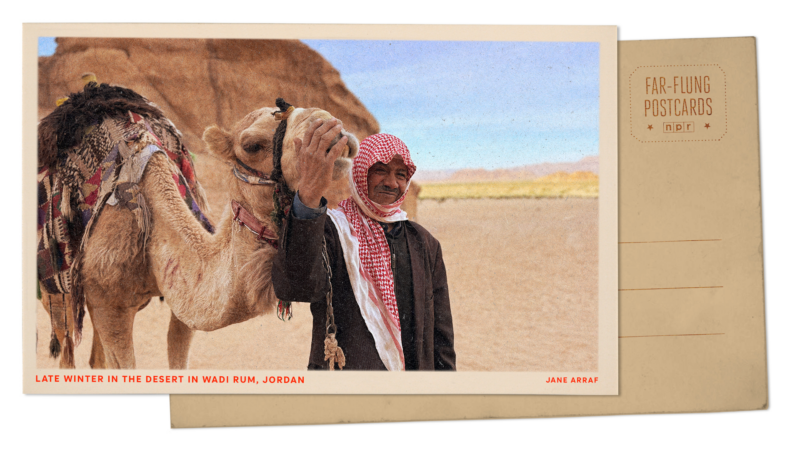
Greetings from Jordan’s Wadi Rum desert, where patches of green emerge after winter rains
Wadi Rum's otherworldly landscape is where Star Wars movies and The Martian were filmed. In late winter, plants emerge in this desert — but some are toxic to camels, so their herders must protect them.
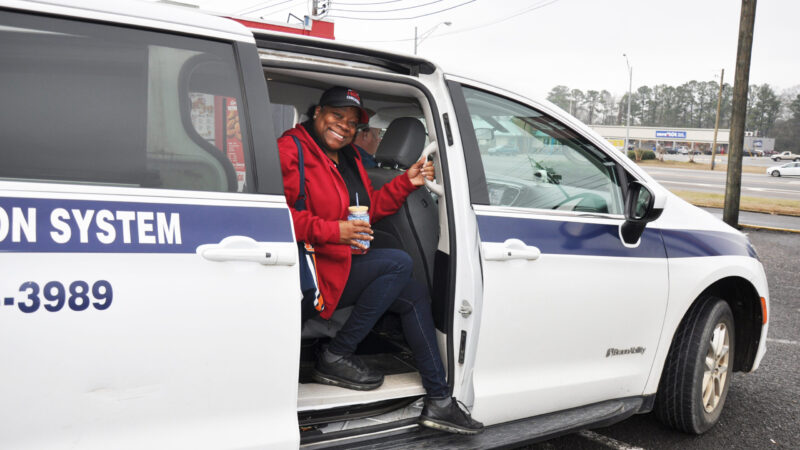
Lack of transportation keeps many Alabamians from working. Rural public transit programs are trying to help
While lack of transportation is a major employment barrier in Alabama, few people take public transit to work. That dynamic is even more pronounced in rural areas.

When a horse whinnies, there’s more than meets the ear
A new study finds that horse whinnies are made of both a high and a low frequency, generated by different parts of the vocal tract. The two-tone sound may help horses convey more complex information.
Hundreds of American nurses choose Canada over the U.S. under Trump
More than 1,000 American nurses have successfully applied for licensure in British Columbia since April, a massive increase over prior years.
