
Health South: A Non-Profit Reality
“We’d probably been in that particular one for 30 years -‘ we held it together with duct tape. That was a part of town that was kinda changing.”
That’s a polite way of saying the neighborhood ‘ near downtown ‘ had gone downhill. So much so that Edwards had to hire security guards to patrol the on-site child care center. But no more.
Today ‘ a state of the art, 41-thousand square foot learning center sits on the western fringe of town ‘ surrounded by nature walks and residential neighborhoods. An 8 million dollar campaign built this building and a good chunk of it came from Health South and its ousted chairman and CEO Richard Scrushy.
For years, the man – and the company he built ‘ were known across the country for their philanthropic largesse. But now that newspaper headlines speak of inflated profits, insider trading, and cheating medicare ‘ the non-profit organizations that once relied on HealthSouth donations are having to re-assess the way “they” do business. For many, like United Cerebral Palsy, that means re-thinking the way they have traditionally developed their budgets says UCP fundraiser Linda Baker.
“You look at history. What people have done. You look at what they tell you they want to do and what they think they might do and you build a budget off of that and you plan your budget for the following year.”
In other words ‘ it’s a budget built on “what-ifs”…but today it’s an atmosphere of “who knows” in Birmingham, so nonprofits must include more strategic planning and diversification in their budgeting process, according to George Elliott ‘ executive director of the NonProfit Resource Center of Alabama.
“I think it was a wake-up call for many people who may have been counting on those dollars each year. There are plenty of other places in the Birmingham area where one can get funded… but I think what it basically says is that nonprofits need to have a plan… they need to have a long-term plan and “hope” is not a strategy.”
Especially in these tight economic times. the loss of charitable dollars from HealthSouth and Mr. Scrushy, combined with decreased giving overall and shrinking government funding is going to be tough on many local nonprofits ‘ some more than others. George Elliott says some organizations might even turn it into a battle cry for more funding.
“I have a need ‘ to produce this mission. And I’ve had a real hit on my income used to do that. I need some special help at this time. So there could be a marketing tool.”
Richard Scrushy’s tax-exempt foundation has given nearly five million dollars to Birmingham charities in recent years ‘ so you can’t throw a rock in this city without hitting a building named for Scrushy. With $2.5 billion in alleged phony earnings at HealthSouth there are a lot of questions right now. The government says it won’t require charities to give back any money Scrushy’s given them in the past, but future giving by Scrushy and the HealthSouth Foundation is anything but assured.
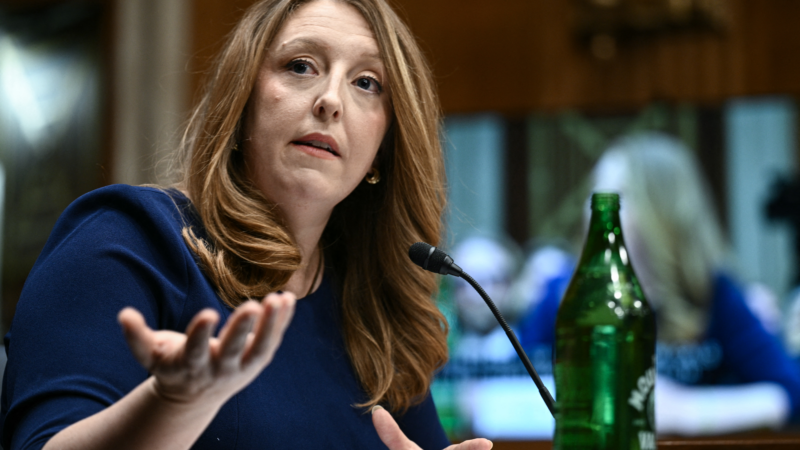
Surgeon general nominee Means questioned about vaccines, birth control and financial conflicts
During a confirmation hearing, senators asked Dr. Casey Means about her current positions and her past statements on a range of public health issues.

Kalshi reveals insider trading case against editor for MrBeast
With prediction markets booming, so have concerns about insider trading. Now, Kalshi has disclosed its first public actions against accounts suspected of trading on confidential information.

Greetings from Jordan’s Wadi Rum desert, where patches of green emerge after winter rains
Wadi Rum's otherworldly landscape is where Star Wars movies and The Martian were filmed. In late winter, plants emerge in this desert — but some are toxic to camels, so their herders must protect them.
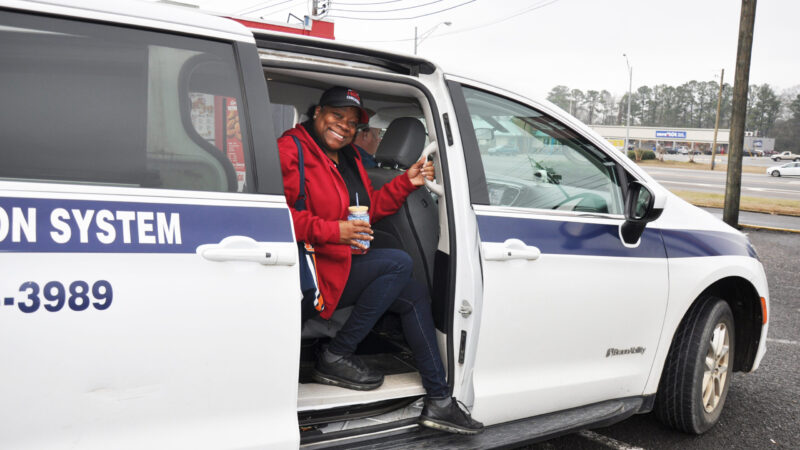
Lack of transportation keeps many Alabamians from working. Rural public transit programs are trying to help
While lack of transportation is a major employment barrier in Alabama, few people take public transit to work. That dynamic is even more pronounced in rural areas.

When a horse whinnies, there’s more than meets the ear
A new study finds that horse whinnies are made of both a high and a low frequency, generated by different parts of the vocal tract. The two-tone sound may help horses convey more complex information.
Hundreds of American nurses choose Canada over the U.S. under Trump
More than 1,000 American nurses have successfully applied for licensure in British Columbia since April, a massive increase over prior years.
