
What will Congress do after the shutdown? We asked a Republican and a Democrat
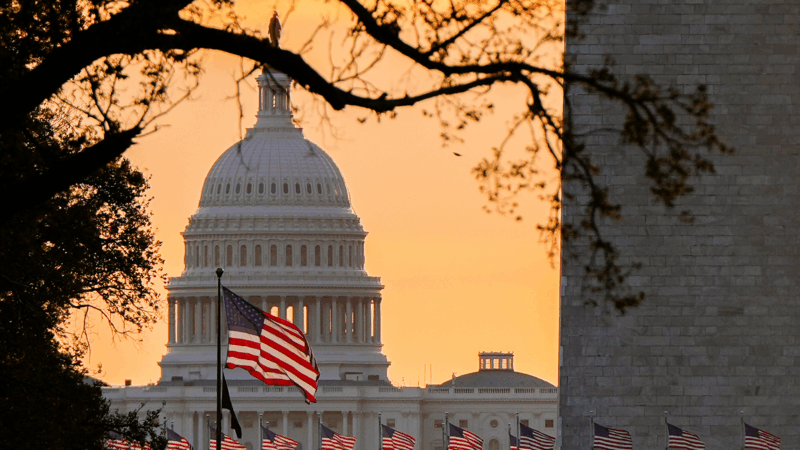
Most of the federal government is shut down after Senate Republicans and Democrats failed to reach a funding agreement to keep it open.
Democrats wanted to extend Affordable Care Act (ACA) subsidies used to make health insurance premiums more affordable for millions, but Republicans said they wanted to discuss extending the credits after reaching an agreement to fund the government. Democrats also wanted to repeal cuts made to healthcare programs by President Trump’s signature legislation — the One Big Beautiful Bill Act.
Trump has blamed Democrats for the shutdown and said last week he would look for a way to do a “reduction in force” of federal workers in the event the government closed.
So where does Congress go from here? Morning Edition‘s Leila Fadel spoke to two House members — Democrat Rosa DeLauro of Connecticut and Republican Mike Haridopolos of Florida — to get a sense.
Here’s what they had to say.
Haridopolos hopes more Democrats will come around to support re-opening the government

On Tuesday night, Democratic Sens. John Fetterman of Pennsylvania and Catherine Cortez Masto of Nevada — as well as independent Angus King of Maine, who caucuses with Democrats — voted for a Republican-backed plan in the Senate that would have kept the government open for seven weeks.
Haridopolos blamed Democrats for shutting down the government, but said he was “encouraged” by the three Democratic votes Republicans got.
“This is not the final negotiation. This is a seven-week, what we call stopgap, so that workers aren’t furloughed,” Haridopolos said. “We want them to keep working because not just to get paid, but more importantly, provide the services that people have paid for as taxpayers.”
Haridopolos added that he understands the politics of the moment, but said it is a “win-win” situation to keep the government open and that healthcare negotiations can be had later as both House Speaker Mike Johnson and Senate Majority Leader John Thune have said.
Haridopolos said negotiating will be a “give and take process,” but he noted that Trump campaigned “on the idea that we have a big budget deficit and we need to bring the spending in line with what revenues come in.”
You can listen to Haridopolos’ full interview here.
DeLauro says Democrats don’t trust Republicans will actually negotiate

DeLauro, the ranking member on the House Appropriations Committee, said negotiating with Republicans “sounds wonderful.”
She added, however, that after seeing President Trump attempt to reshape the federal government through Elon Musk’s DOGE and freeze funds appropriated by Congress through its constitutionally delegated power of the purse, there is no “trust factor” between the two parties.
She also noted Russell Vought, Director of the U.S. Office of Management and Budget, saying earlier this year that “the appropriations process has to be less bipartisan” as a reason why trust has broken down.
“If you trust what they say they’re going to do, I’ve got a bridge that I’m going to sell you,” DeLauro said.
Democrats will focus on the impact healthcare spending cuts could have on the U.S. public, DeLauro said. Spending reductions made to Medicaid and ACA marketplaces through Trump’s signature bill are expected to cause about 12 million people to lose insurance by 2034, according to Congressional Budget Office estimates.
“What we need to do is to make sure that the cuts are no longer there, that we address the cost of living and we save healthcare for the American people,” DeLauro said. “That is what’s on the line. That’s what Democrats are prepared to do.”
You can listen to DeLauro’s full interview here.
This digital article was edited by Treye Green.

Sunday Puzzle: Rhyme Time
NPR's Ayesha Rascoe plays the puzzle with WBUR listener Laurie Rose and Weekend Edition Puzzlemaster Will Shortz.
Alcaraz beats Djokovic to become the youngest man to complete a career Grand Slam
The 22-year-old Spaniard's win against 38-year-old rival Novak Djokovic at Sunday's Australian Open makes him the youngest male player to win all four major tournaments.
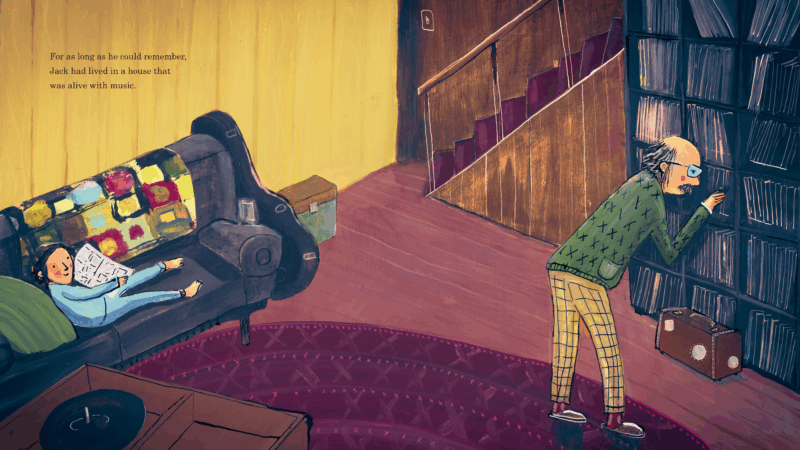
You already know the song — now, ‘The One About the Blackbird’ is also a picture book
In The One About the Blackbird, a young boy learns to play guitar from his grandfather. And there's one song in particular that they love…

At a clown school near Paris, failure is the lesson
For decades, students at the Ecole Philippe Gaulier have been paying to bomb onstage. The goal isn't laughs — it's learning how to take the humiliation and keep going.

In the world’s driest desert, Chile freezes its future to protect plants
Tucked away in a remote desert town, a hidden vault safeguards Chile's most precious natural treasures. From long-forgotten flowers to endangered crops.

Iran’s supreme leader warns any US attack would spark ‘regional war’
Iran's supreme leader warned Sunday that any attack by the United States would spark a "regional war" in the Mideast, further escalating tensions as President Donald Trump has threatened to militarily strike the Islamic Republic.
