
Vijay Iyer’s art of listening
Vijay Iyer‘s mind is a little bit terrifying. A MacArthur-certified “genius,” he earned degrees in mathematics and physics from Yale and Berkeley before committing to a career as a pianist and composer. His STEM background profoundly informs his music-making, from using the sequence of Fibonacci numbers to structure his work, to applying theories of embodied and situated cognition in his study of the music of the African diaspora. The New York Times has called Iyer a “social conscience, multimedia collaborator, system builder, rhapsodist, historical thinker and multicultural gateway.”
But when I sat down with Vijay for this conversation at the Big Ears Festival in Knoxville, Tenn., (where we each performed during a weekend of music representing a breathtaking array of traditions and aesthetics), I wasn’t really focused on the intimidating power of his remarkable mind. Instead, I was acutely aware of the heart and soul in music — its capacity to create understanding and communication. At Big Ears, you can make your way from a traditional bluegrass set to an Indian jalatharangam performance, traversing continents, cultures and centuries as you cross the street between two venues.
So Vijay and I talked about listening. The alertness of listening in the creative states of improvising, composing and collaborating with other musicians. The importance of listening to your history and lineage, and the agility of listening to the present tense of the world around you. The ability to listen across borders of geography and language, affirming the humanity and empathy that comes with it. In the end, it was Vijay who brought up an emotion that’s the antithesis of anything cerebral. “It feels like family,” he said. “To really hear everything that’s happening in the music and also hear what a person is saying and hear what they have to offer as a human being. It’s really this deep love that is at the heart of it.”
British Columbia to make daylight saving time permanent
The Canadian province is permanently ending the biannual time shifts for more light at the day's end. But research shows daylight saving increases health risks.
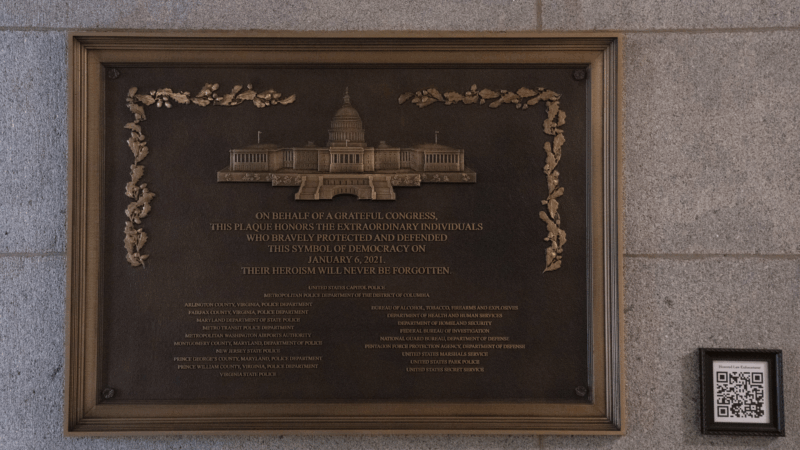
Jan. 6 plaque honoring police officers is now displayed at the Capitol after a 3-year delay
Visitors to the Capitol in Washington now have a visible reminder of the siege there on Jan. 6, 2021, and the officers who fought and were injured that day.
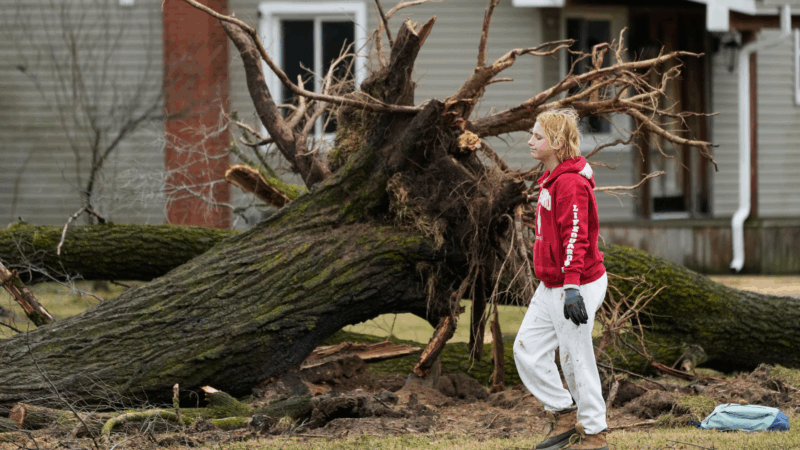
Authorities searching debris after suspected tornadoes kill 6 in Michigan, Oklahoma
A 12-year-old boy is reported to be among the dead following powerful storms that stretched across the middle of the country.

Opinion: The immorality of betting on war
Traders on prediction markets bet on nearly anything. One made more than half a million dollars betting on the U.S. strike against Iran. But should people wager on human suffering?
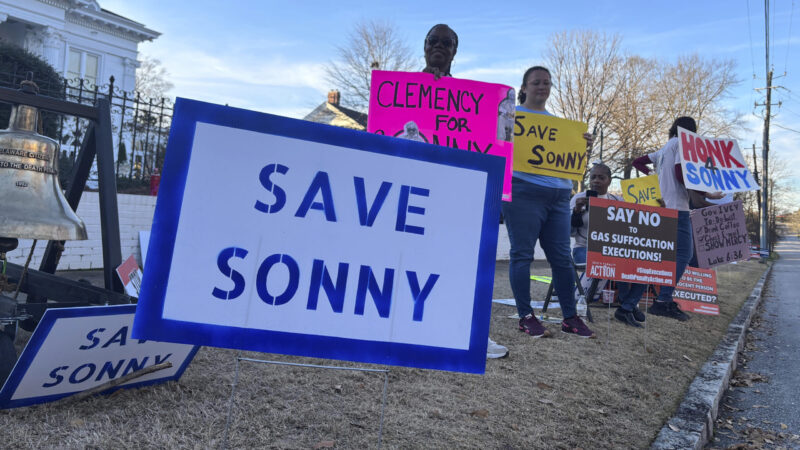
Alabama man facing execution for deadly robbery asks for clemency as he didn’t kill victim
Charles “Sonny” Burton is scheduled to be executed March 12 for his role in a 1991 robbery in which a man was fatally shot. His supporters and attorney are asking the governor for clemency, arguing that his life should be spared because Burton didn’t fire the gun or witness the killing.

Curling had its moment at the Olympics and now Paralympics. It sparked a curling bonanza in America
Hundreds of people become interested in curling every four years and the 2026 numbers already show that boom.
