
U.S. resumes visas for foreign students but demands access to social media accounts
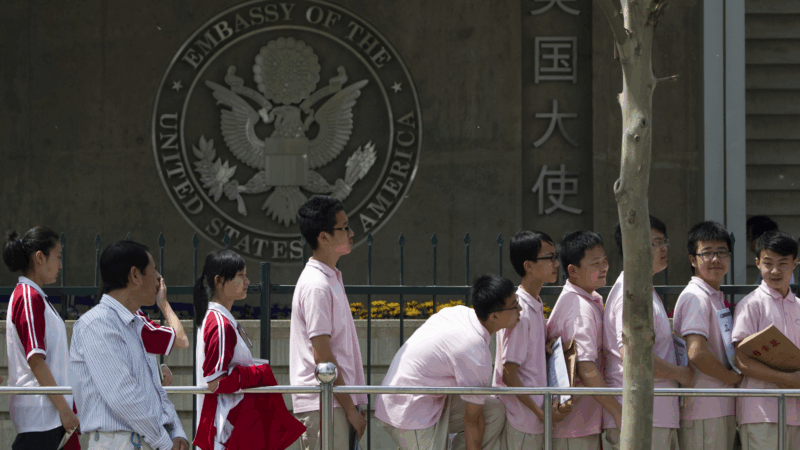
WASHINGTON — The U.S. State Department said Wednesday it is restarting the suspended process for foreigners applying for student visas but all applicants will now be required to unlock their social media accounts for government review.
The department said consular officers will be on the lookout for posts and messages that could be deemed hostile to the United States, its government, culture, institutions or founding principles.
In a notice made public Wednesday, the department said it had rescinded its May suspension of student visa processing but said new applicants who refuse to set their social media accounts to “public” and allow them to be reviewed may be rejected. It said a refusal to do so could be a sign they are trying to evade the requirement or hide their online activity.
The Trump administration last month temporarily halted the scheduling of new visa interviews for foreign students hoping to study in the U.S. while preparing to expand the screening of their activity on social media, officials said.
Students around the world have been waiting anxiously for U.S. consulates to reopen appointments for visa interviews, as the window left to book their travel and make housing arrangements narrows ahead of the start of the school year.
On Wednesday afternoon, a 27-year-old Ph.D. student in Toronto was able to secure an appointment for a visa interview next week. The student, a Chinese national, hopes to travel to the U.S. for a research internship that would start in late July. “I’m really relieved,” said the student, who spoke on condition of being identified only by his surname, Chen, because he was concerned about being targeted. “I’ve been refreshing the website couple of times every day.”
Students from China, India, Mexico and the Philippines have posted on social media sites that they have been monitoring visa booking websites and closely watching press briefings of the State Department to get any indication of when appointment scheduling might resume.
In reopening the visa process, the State Department also told consulates to prioritize students hoping to enroll at colleges where foreigners make up less than 15% of the student body, a U.S. official familiar with the matter said. The official spoke on condition of anonymity to detail information that has not been made public.
Foreign students make up more than 15% of the total student body at almost 200 U.S. universities, according to an Associated Press analysis of federal education data from 2023. Most are private universities, including all eight Ivy League schools. But that criteria also includes 26 public universities, including the University of Illinois and Pennsylvania State University. Looking only at undergraduate students, foreign students make up more than 15% of the population at about 100 universities, almost all of them private.
International students in the U.S. have been facing increased scrutiny on several fronts. In the spring, the Trump administration revoked permission to study in the U.S. for thousands of students, including some involved only in traffic offenses, before abruptly reversing course. The government also expanded the grounds on which foreign students can have their legal status terminated.
As part of a pressure campaign targeting Harvard University, the Trump administration has moved to block foreign students from attending the Ivy League school, which counts on international students for tuition dollars and a quarter of its enrollment. Trump has said Harvard should cap its foreign enrollment at 15%.
This latest move to vet students’ social media, the State Department said Wednesday, “will ensure we are properly screening every single person attempting to visit our country.”
In internal guidance sent to consular officers, the department said they should be looking for “any indications of hostility toward the citizens, culture, government, institutions, or founding principles of the United States.”
Jameel Jaffer, executive director at the Knight First Amendment Institute at Columbia University, said the new policy evokes the ideological vetting of the Cold War, when prominent artists and intellectuals were excluded from the U.S.
“This policy makes a censor of every consular officer, and it will inevitably chill legitimate political speech both inside and outside the United States,” Jaffer said.
The Trump administration also has called for 36 countries to commit to improving vetting of travelers or face a ban on their citizens visiting the United States. A weekend diplomatic cable sent by the State Department says the countries have 60 days to address U.S. concerns or risk being added to a travel ban that now includes 12 nations.
Supreme Court blocks redrawing of New York congressional map, dealing a win for GOP
At issue is the mid-term redrawing of New York's 11th congressional district, including Staten Island and a small part of Brooklyn.
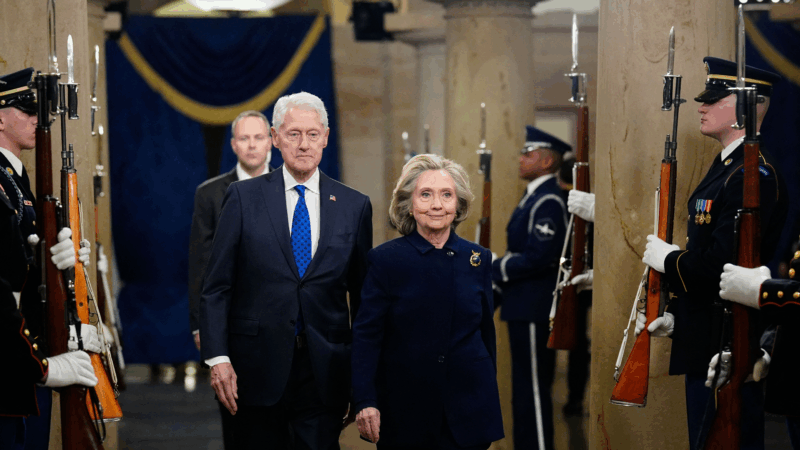
Video of Clinton depositions in Epstein investigation released by House Republicans
Over hours of testimony, the Clintons both denied knowledge of Epstein's crimes prior to his pleading guilty in 2008 to state charges in Florida for soliciting prostitution from an underage girl.
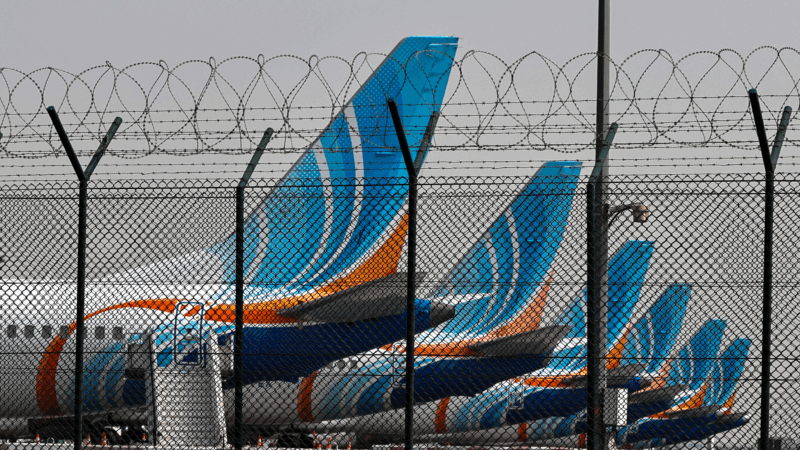
Some Middle East flights resume, but thousands of travelers are still stranded by war
Limited flights out of the Middle East resumed on Monday. But hundreds of thousands of travelers are still stranded in the region after attacks on Iran by the U.S. and Israel.
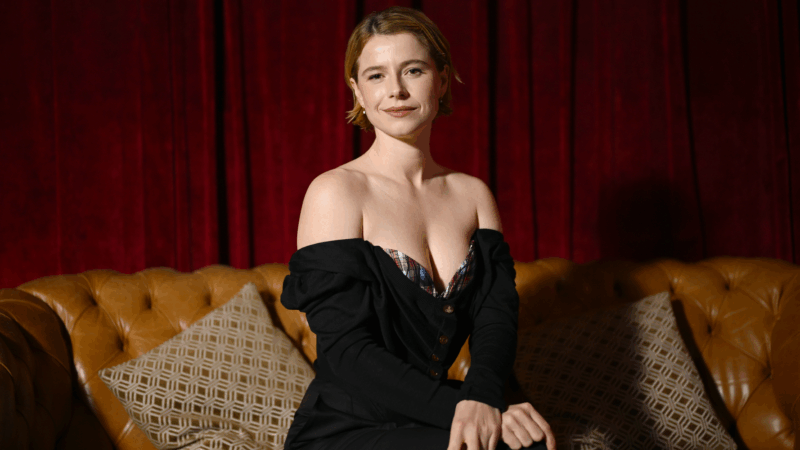
‘Hamnet’ star Jessie Buckley looks for the ‘shadowy bits’ of her characters
Buckley has been nominated for a best actress Oscar for her portrayal of William Shakespeare's wife in Hamnet. The film "brought me into this next chapter of my life as a mother," Buckley says.
How, who, and why: NPR flips its famous letters to defend the right to be curious
NPR is standing up for the public's right to ask hard questions in a national campaign dubbed "For your right to be curious." At NPR's headquarters, on billboards in New York City, Chicago, and Washington, D.C., and across social media, NPR's three iconic letters transform into "how," "who," and "why" — a bold declaration of its commitment to fight for Americans' right to ask questions both big and small.
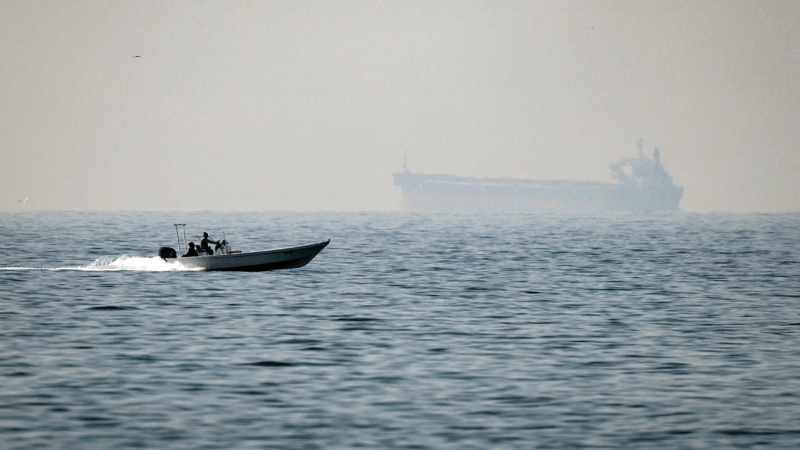
Oil prices surge, but no panic yet, as Iran war continues
Global oil prices are in the high $70s as traffic through Strait of Hormuz comes to a halt. Some analysts have warned they could top $100 a barrel if the stoppage is prolonged.
