
Starbucks is closing more stores and laying off 900 workers
Starbucks plans to cut another 900 corporate jobs and close some of its stores in the U.S. and Canada, as the coffee chain approaches the one-year mark of its turnaround plan.
The company says the number of stores will decline by 1% and it will end the fiscal year with nearly 18,300 Starbucks locations in the U.S. and Canada. That suggests that roughly 200 stores might close. After that, the chain plans to invest in new store openings and renovate more than 1,000 locations.
New corporate layoffs are a second wave after Starbucks cut 1,100 jobs in February. CEO Brian Niccol has said the cost cuts were needed to redirect more money toward stores, where the company is adding more baristas, speeding up service and upgrading the ambiance.
Niccol arrived at Starbucks a year ago from Chipotle, tasked with shaking up the coffee giant that’s been losing customers. The chain has reported declining sales for six straight quarters now, as shoppers are choosing either cheaper options or upgrading to fancier shops. Meanwhile, Starbucks has been stuck in the middle: too fancy to be basic, too basic to be fancy.
Niccol’s turnaround plan has ordered up big changes: removing almost a third of the menu options, drinks ready in four minutes or less, no upcharges for nondairy milks, a store redesign to encourage people to linger for longer — along with ceramic mugs and free refills on coffee or tea for those who decide to stay in the cafe.
“Our goal is for every coffeehouse to deliver a warm and welcoming space with a great atmosphere and a seat for every occasion,” Niccol wrote in a memo to employees on Thursday. He said a recent review of locations “identified coffeehouses where we’re unable to create the physical environment our customers and partners expect, or where we don’t see a path to financial performance, and these locations will be closed.”
So far, Niccol’s turnaround plan has yet to make a meaningful impact on the company’s financial results. The CEO on Thursday wrote that “early results” showed that upgraded stores saw people visiting more often, while more baristas working at busy times led to “improvements in transactions, sales, and service times.”
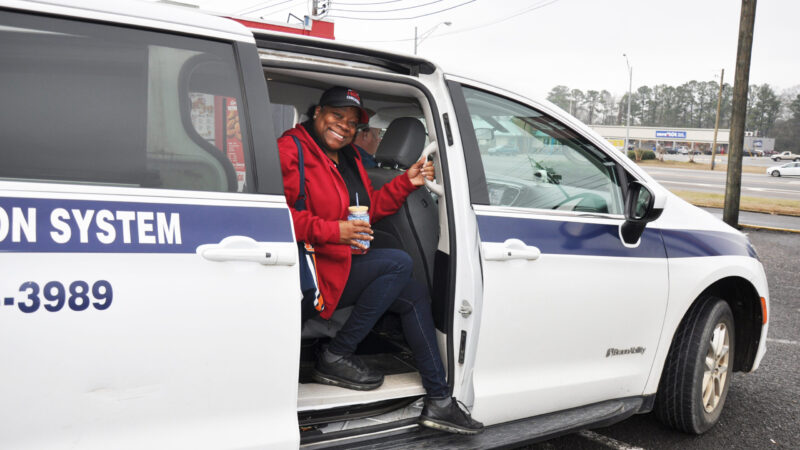
Lack of transportation keeps many Alabamians from working. Rural public transit programs are trying to help
While lack of transportation is a major employment barrier in Alabama, few people take public transit to work. That dynamic is even more pronounced in rural areas.

When a horse whinnies, there’s more than meets the ear
A new study finds that horse whinnies are made of both a high and a low frequency, generated by different parts of the vocal tract. The two-tone sound may help horses convey more complex information.
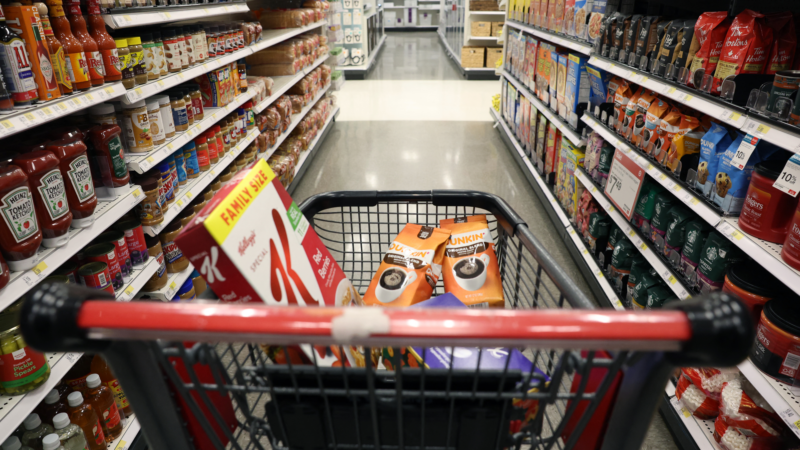
Trump’s many tariff tools mean consumer prices won’t go down, analysts say
The Supreme Court struck down President Trump's signature tariffs. But the president has other tariff tools, and consumers shouldn't expect cheaper prices anytime soon, economists say.
Hundreds of American nurses choose Canada over the U.S. under Trump
More than 1,000 American nurses have successfully applied for licensure in British Columbia since April, a massive increase over prior years.
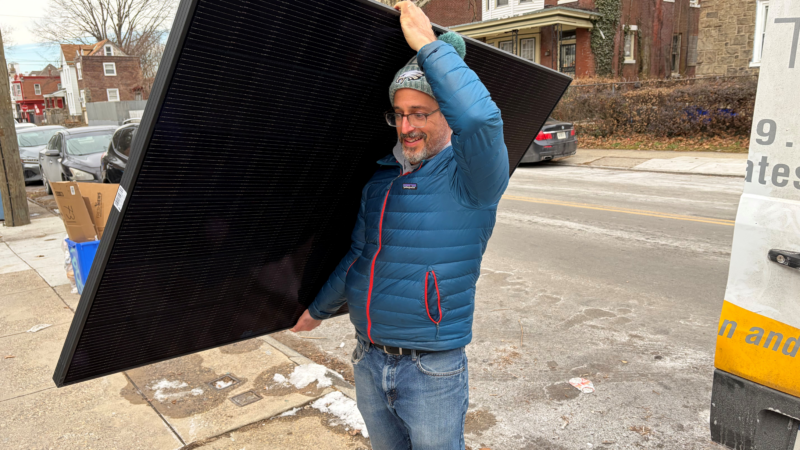
Tax credits for solar panels are available, but the catch is you can’t own them
Rooftop solar installers are steering customers toward leases instead of purchases. Federal tax credits for purchased systems have ended but are still available for leased ones.
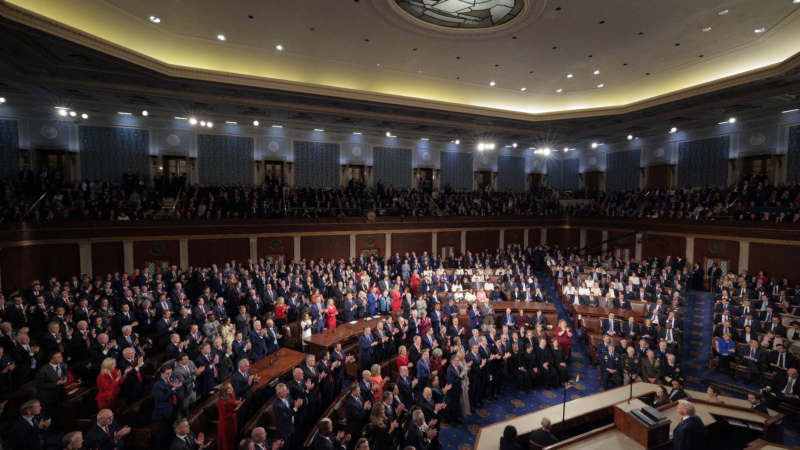
5 takeaways from Trump’s State of the Union address
President Trump hit familiar notes on immigration and culture in his speech Tuesday night, but he largely underplayed the economic problems that voters say they are most concerned about.
