
Queen’s Classic ‘Bohemian Rhapsody’ finds a new voice in Zulu
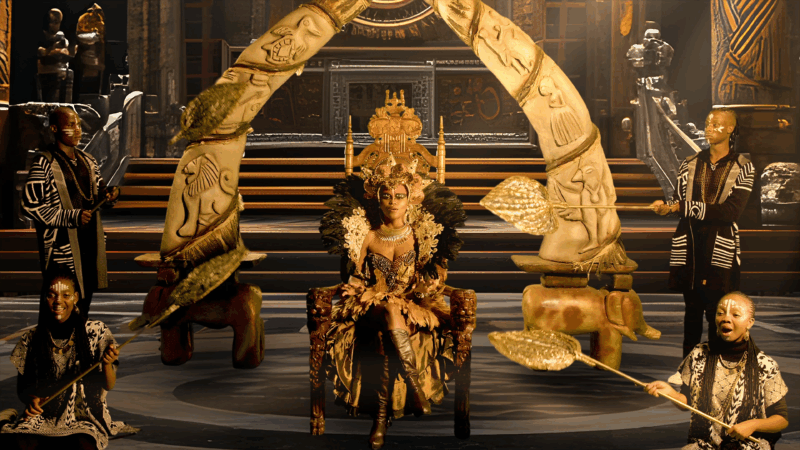
JOHANNESBURG, South Africa — The Ndlovu Youth Choir, which began in South Africa’s rural Limpopo province and rose to international fame on America’s Got Talent in 2019, has released a bold new project: a Zulu-language version of Queen’s Bohemian Rhapsody.
It’s the first time Queen has ever authorized a translation of the iconic rock anthem. The choir’s artistic director, Ralf Schmitt, says the band’s surviving members and the Mercury Phoenix Trust gave their blessing.
“We realized that we’d be the first translation that’s been commercially released,” Schmitt said. “So, we’re very honored to have got the permission, and we hope that we’ve done the piece justice.”
The release comes during the 50th anniversary of Bohemian Rhapsody. Schmitt says the idea of creating an African version emerged while the group was working in Tanzania. “Of course, Freddie Mercury was born Farrokh Bulsara in Zanzibar,” he said.
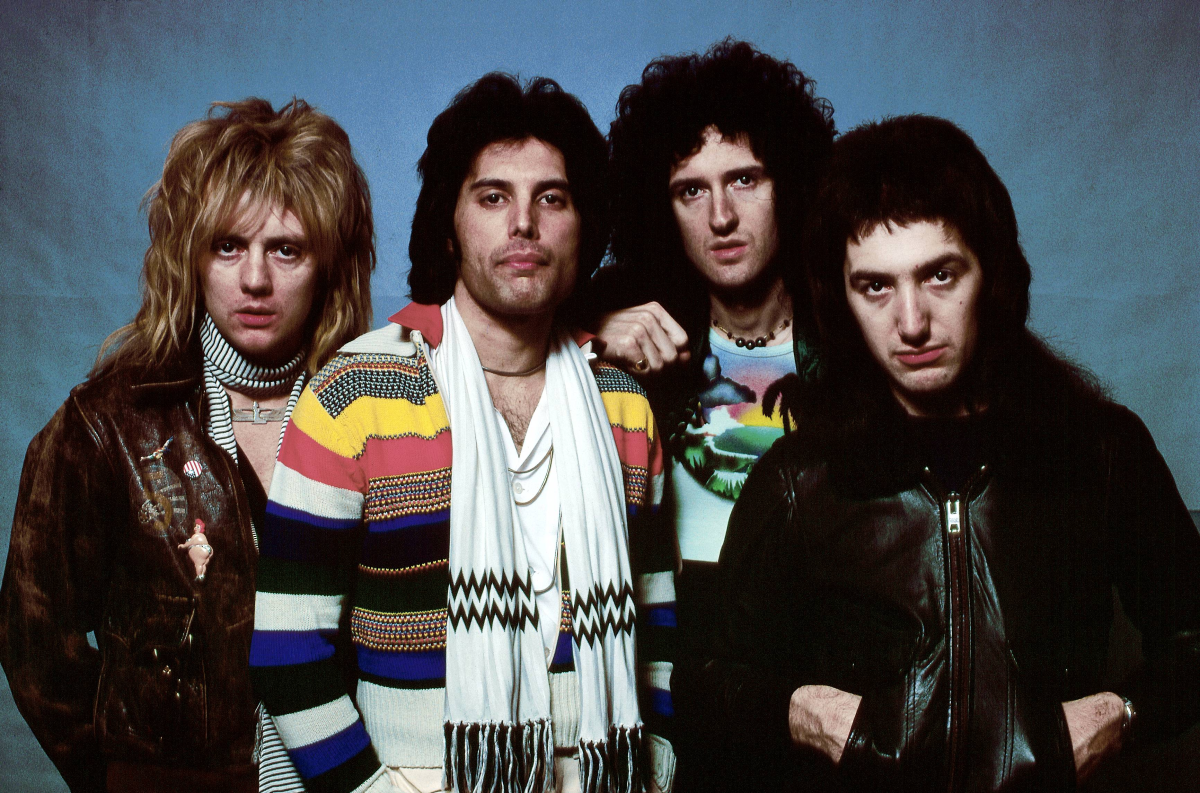
Mercury’s family later moved to Britain, and he never returned to the African island of his birth.
For choir member Sandile Majola, who helped painstakingly translate the song into Zulu, the project carried deep meaning. “We approached the translation with the utmost care, keeping it as true to the original as possible,” he said. “Bringing this song to life in my own language gave it a whole new meaning for me.”
For some members, the music was a complete discovery. Lead singer Lungelo Masango recalls, “I had never heard of the song or the band.” The real challenge, she added, was adapting the lyrics into Zulu: “Zulu words are very long … you have to find the right words because the message still has to be the same.”

The translation process took years, and some surreal lyrics — like the famous “Galileo, Galileo!” — remain in English. The new version weaves in African musical traditions, from township styles such as isicathamiya to the Congolese swing of kwassa kwassa. The expanded call-and-response sections, Schmitt notes, are rooted in African performance styles.
The music video, now on YouTube, features the choir in vibrant traditional dress, celebrating a uniquely African take on one of rock’s most iconic songs.

Alabama man, on death row since 1990, to get new trial
The U.S. Supreme Court on Monday declined to review the summer ruling from the 11th U.S. Circuit Court of Appeals. The decision paves the way for Michael Sockwell to receive a new trial.
Supreme Court blocks redrawing of New York congressional map, dealing a win for GOP
At issue is the mid-term redrawing of New York's 11th congressional district, including Staten Island and a small part of Brooklyn.

Video of Clinton depositions in Epstein investigation released by House Republicans
Over hours of testimony, the Clintons both denied knowledge of Epstein's crimes prior to his pleading guilty in 2008 to state charges in Florida for soliciting prostitution from an underage girl.

Some Middle East flights resume, but thousands of travelers are still stranded by war
Limited flights out of the Middle East resumed on Monday. But hundreds of thousands of travelers are still stranded in the region after attacks on Iran by the U.S. and Israel.
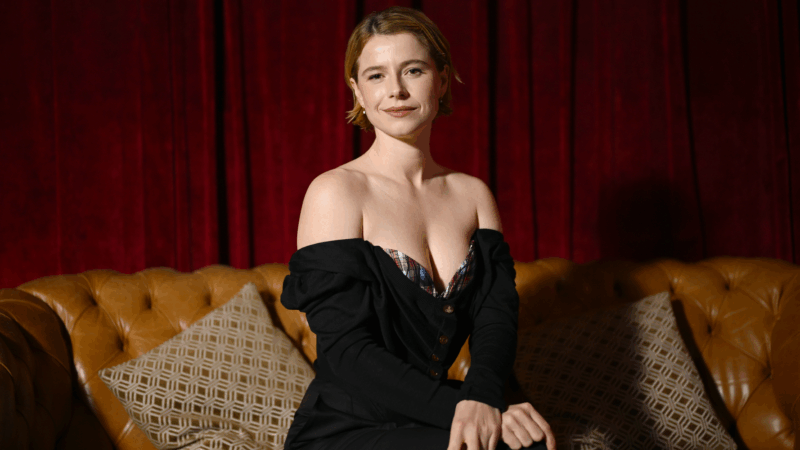
‘Hamnet’ star Jessie Buckley looks for the ‘shadowy bits’ of her characters
Buckley has been nominated for a best actress Oscar for her portrayal of William Shakespeare's wife in Hamnet. The film "brought me into this next chapter of my life as a mother," Buckley says.

How, who, and why: NPR flips its famous letters to defend the right to be curious
NPR is standing up for the public's right to ask hard questions in a national campaign dubbed "For your right to be curious." At NPR's headquarters, on billboards in New York City, Chicago, and Washington, D.C., and across social media, NPR's three iconic letters transform into "how," "who," and "why" — a bold declaration of its commitment to fight for Americans' right to ask questions both big and small.
