
Mexico City bans violent bullfighting, sparking fury and celebration
MEXICO CITY — Mexico City lawmakers on Tuesday voted overwhelmingly to ban violent bullfighting, triggering outrage from aficionados and celebration from animal rights advocates.
The legislation, approved by a 61-1 vote, prohibits the killing of bulls and the use of sharp objects that could injure the animals. It also sets time limits on how long bulls could be in the ring, all part of an initiative dubbed “bullfighting without violence.”
The decision sparked angry protests from bullfighting supporters and matadors, some of whom tried to breach a police barricade at the local Congress. Some carried signs that read “Being a fan of la fiesta brava (bullfighting) is not a crime, it’s a point of pride.”
Meanwhile, Animal rights protesters and lawmakers pushing the bill celebrated, walking out onto the steps of Congress surrounded by police in riot gear, pumping their fists and carrying stuffed bull dolls.
“It was either this or nothing,” said Sofía Morín, an animal rights activist with the organization Culture Without Torture, Mexico Without Bullfighting, leading the initiative to change the laws. “We prefer this because, without a doubt, it’s a huge step in protecting animals.”
Mexico City Mayor Clara Brugada of the ruling Morena party echoed activists saying the decision would turn the Mexican capital into a place “that respects the rights of animals.
Tuesday’s vote appeared to be an attempt to broker a compromise between two warring sides of the debate after years of back-and-forth about the practice.
Bullfighting has long been considered a tradition and a pastime in Latin American nations, but has come under criticism for animal cruelty because bulls are often killed at the end of the fight. Animal rights groups say that approximately 180,000 bulls are killed every year in bullfighting worldwide.
The tradition, which has long drawn big crowds to arenas across Mexico, was dealt a blow when a judge in Mexico City banned the practice in June 2022, shutting down an arena that has been billed as the world’s largest bullfighting ring. The judge ruled that bullfights violated city residents’ rights to a healthy environment free from violence.
While animal rights advocates celebrated it as a victory, and a step toward ending the bloody tradition, bullfighters said it dealt an economic blow to the city. The National Association of Breeders of Fighting Bulls in Mexico says bullfighting generates 80,000 direct jobs, and 146,000 indirect jobs across the country. Overall, the industry generates approximately $400 million a year.
That was the concern for many in the crowd protesting the end of the violent fights, while others like Juan Pablo Pimienta screamed through a megaphone “it’s an activity where the fighting bull dies in a bullring. That’s its nature. … It is a beast.”
In 2023, Mexico’s Supreme Court overturned the ban without explanation, allowing bullfighting arenas to be flooded once again with fans of the so-called “fiesta brava.”
On Tuesday, in a speech before the city’s congress, Green Party lawmaker Jesús Sesma acknowledged that the decision would anger a segment of the city’s population.
“To those families who feel frustrated today, we’re here to say that no one lost their job,” he said. “There was a middle ground to continue with these bullfighting spectacles, but now without violence.”

New York Giants hire John Harbaugh as coach after identifying him as their top choice
Harbaugh joins the Giants 11 days after he was fired by the Baltimore Ravens. The Super Bowl champion is now tasked with turning around a beleaguered franchise.
US launches new retaliatory strike in Syria, killing leader tied to deadly Islamic State ambush
A third round of retaliatory strikes by the U.S. in Syria has resulted in the death of an Al-Qaeda-affiliated leader, said U.S. Central Command.

NASA rolls out Artemis II craft ahead of crewed lunar orbit
Mission Artemis plans to send Americans to the moon for the first time since the Nixon administration.
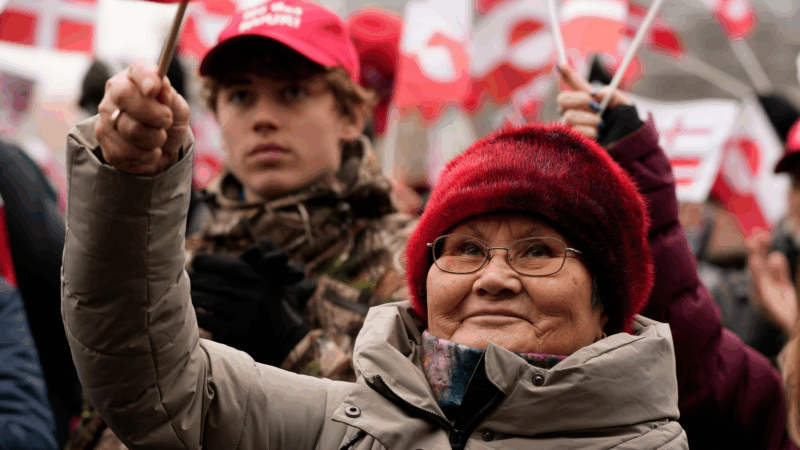
Trump says 8 EU countries to be charged 10% tariff for opposing US control of Greenland
In a post on social media, Trump said a 10% tariff will take effect on Feb. 1, and will climb to 25% on June 1 if a deal is not in place for the United States to purchase Greenland.
‘Not for sale’: massive protest in Copenhagen against Trump’s desire to acquire Greenland
Thousands of people rallied in Copenhagen to push back on President Trump's rhetoric that the U.S. should acquire Greenland.
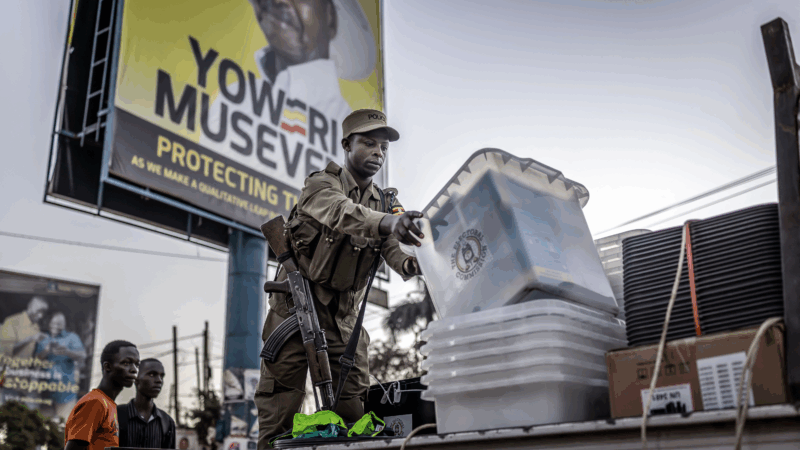
Uganda’s longtime leader declared winner in disputed vote
Museveni claims victory in Uganda's contested election as opposition leader Bobi Wine goes into hiding amid chaos, violence and accusations of fraud.
