
Joy Harjo believes in second chances
A note from Wild Card host Rachel Martin: Joy Harjo is one of the most revered poets in the United States, but there are all kinds of reasons why that didn’t have to happen. She studied pre-med in college. But, as if to hedge her bets on that particular career choice, she began taking creative writing classes. And in the end, the arts won out – stability be damned.
Joy grew up in Oklahoma as part of the Muscogee Creek Nation. But her step father forced Joy to suppress her creativity. She wasn’t even allowed to sing in the house. That creative spirit could have died inside her, but when she was finally out on her own she realized that making music, telling stories and writing poetry wasn’t just something she wanted to do — it was something she had to do.
Since then she has used her writing to capture the diverse experiences of Native people in this country. In 2019, she was named the first Native American Poet Laureate of the United States. And this spring she is releasing a new version of her book, For A Girl Becoming.
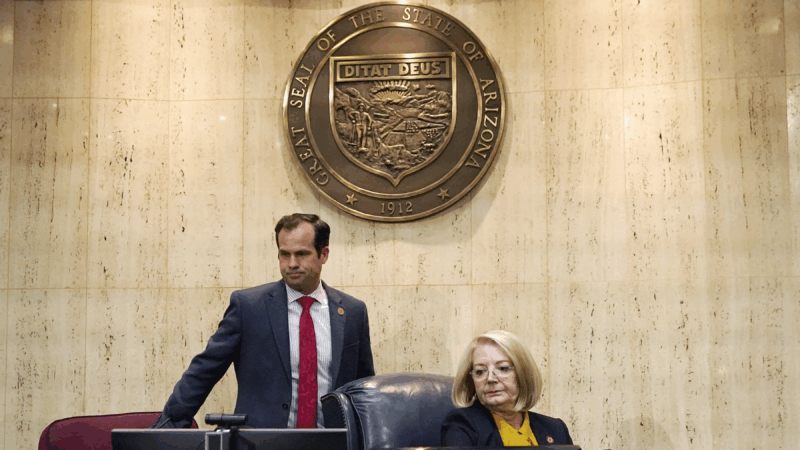
Top Arizona lawmaker says he’s complied with a subpoena for 2020 election records
Arizona's state Senate president says he has complied with a subpoena he received last week seeking records from a flawed, Republican-led review of the 2020 election in Maricopa County.
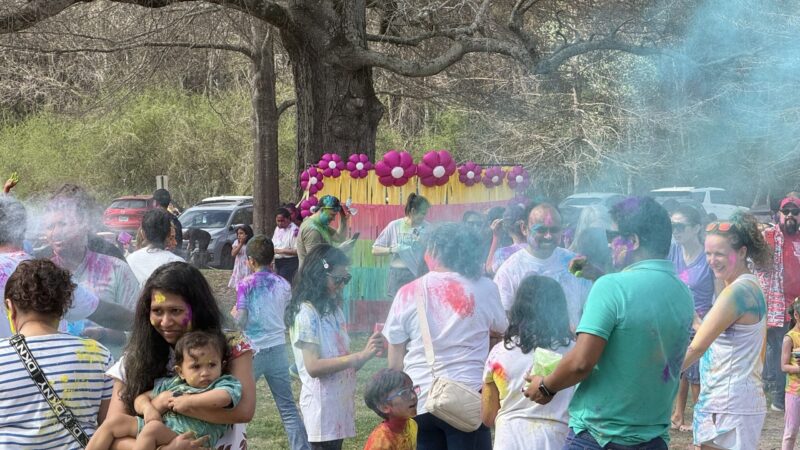
Colors fly as Hoover celebrates Holi
Colored powder filled the air at Veterans Park in Hoover on Saturday. Crowds gathered to celebrate Holi, the Hindu festival of Spring, usually identified by the throwing of colors.
Americana’s newcomer Jobi Riccio faces the pressure on her new record
The country and bluegrass songwriter talks about her sophomore album, Face the Feeling, out May 15.
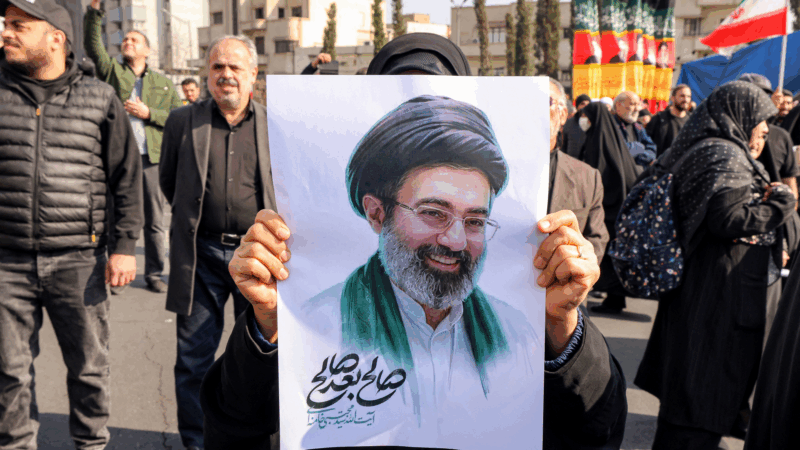
What to know about Mojtaba Khamenei, Iran’s new supreme leader
The second son of the late supreme leader keeps a low profile. But he's long been viewed as wielding his power behind the scenes, from crushing dissent to influencing presidential elections.
Anthropic sues the Trump administration over ‘supply chain risk’ label
The Pentagon told suppliers they can't use Anthropic's artificial intelligence tools after the company said it would not let its tech be used for autonomous weapons and mass domestic surveillance.
This historian dug up the hidden history of ‘amateur’ blackface in America
In her new book, Darkology, historian Rhae Lynn Barnes writes about how blackface and minstrel shows became one of the most popular forms of entertainment in 19th- and 20th-century America.
