
Israel and Iran’s war enters its ninth day as talks fail to reach a breakthrough
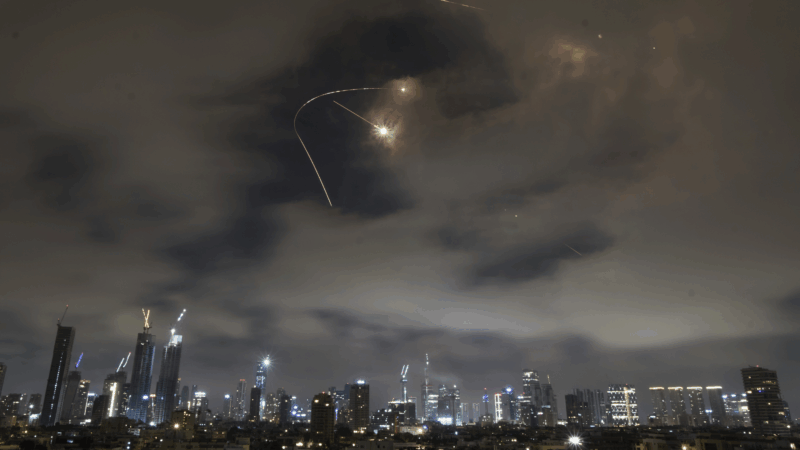
The war between Israel and Iran began its ninth day Saturday as the two countries continued to trade missile attacks, and Iran’s foreign minister warned against the U.S. getting actively involved.
Iran says Israel struck four cities overnight, including Isfahan, where a nuclear site was hit. Iranian authorities said there was no leak of hazardous materials, according to the country’s state media. The Israeli military confirmed it targeted centrifuge production facilities there, as part of its attempts to destroy Iran’s nuclear ambitions. Iranian media also said Israeli strikes killed five members of Iran’s paramilitary Revolutionary Guard.
The fighting came after Iranian officials had engaged in diplomatic meetings in Geneva, New York and Istanbul on Friday, which failed to produce any breakthroughs, even as President Trump considers whether to join Israel in launching an attack on Iran’s nuclear facilities.
Speaking Saturday in Istanbul, Iranian Foreign Minister Abbas Araghchi warned against any active U.S. military involvement in the conflict. “I think that it would be very, very dangerous for everyone,” he said.
On Friday in Geneva, Araghchi told his French, German and British counterparts that he was open to further discussions but would not negotiate with the United States while Israel continued to attack Iran.
Meanwhile, the human toll of the conflict continued to rise.
Iran’s Health Ministry now reports 430 civilians have been killed and more than 3,000 injured since the Israeli strikes began on June 13, according to Iranian state media. But an independent group called the Human Rights Activists News Agency says it has counted 722 total fatalities in Iran, including nearly 200 military personnel killed, based on nongovernmental sources.
Iranian strikes have killed 24 people and injured more than 1,000 in Israel since the start of Iran’s retaliation, according to the Israeli Prime Minister’s Office.
Iranian missiles hit Israel’s port city of Haifa on Friday, according to the Israeli military. It said there was no major damage from further strikes fired at Israel Saturday.
After announcing Thursday he would decide “within two weeks” whether to strike Iran, President Trump on Friday emphasized that “two weeks would be a maximum.”
Meanwhile, officials from member countries of the Arab League and the Organization of Islamic Cooperation have been meeting in Istanbul and discussing the conflict and the potential fallout from a widening war.
NPR’s Jane Arraf contributed reporting from Amman, Jordan.
Russian strike on Kyiv region kills 4 and wounds 15, with peace talks stalled
The strikes comes after the United States paused ceasefire talks between Russia and Ukraine due to the war with Iran.
As the risk of measles grows, why are parents so divided on vaccines?
In South Carolina, some parents embrace vaccines, others opt out. Why do people make such different choices? A mix of politics, distrust and misinformation is pushing neighbors apart.
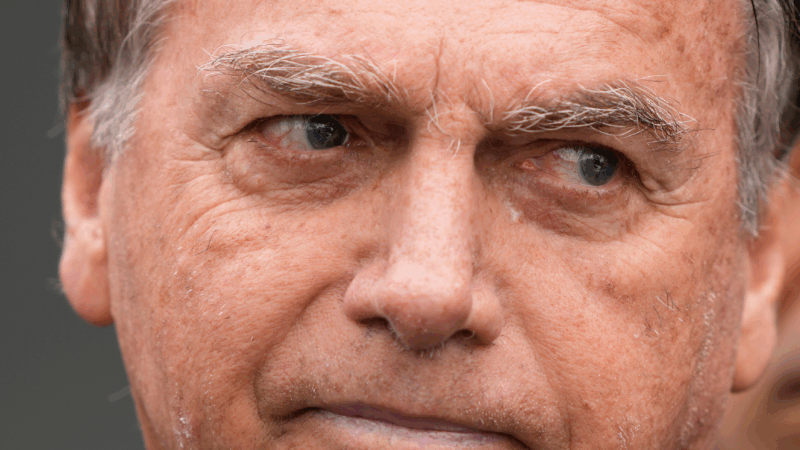
Brazil’s ex-President Bolsonaro is in intensive care with pneumonia, hospital says
One of Bolsonaro's doctor's described the former Brazilian president's medical condition as "serious."
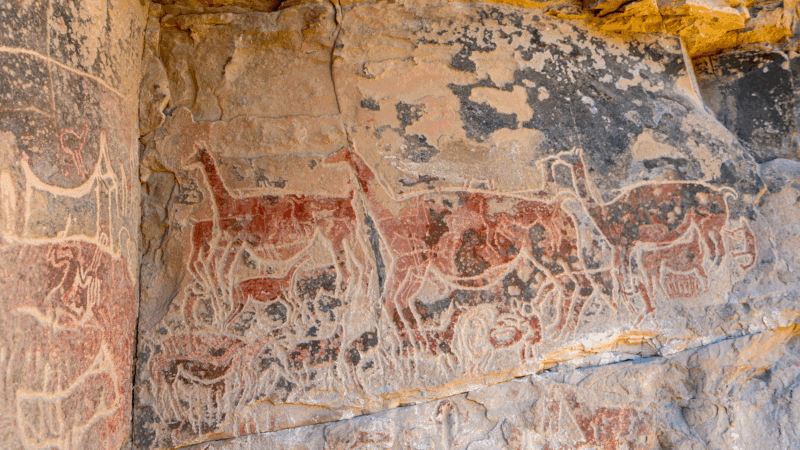
Opinion: An ancient, sophisticated palate
Researchers looking at foodcrusts on the pottery shards of ancient humans say there's evidence of a wide variety of ingredients, indicating that they may have been experimenting with "recipes."
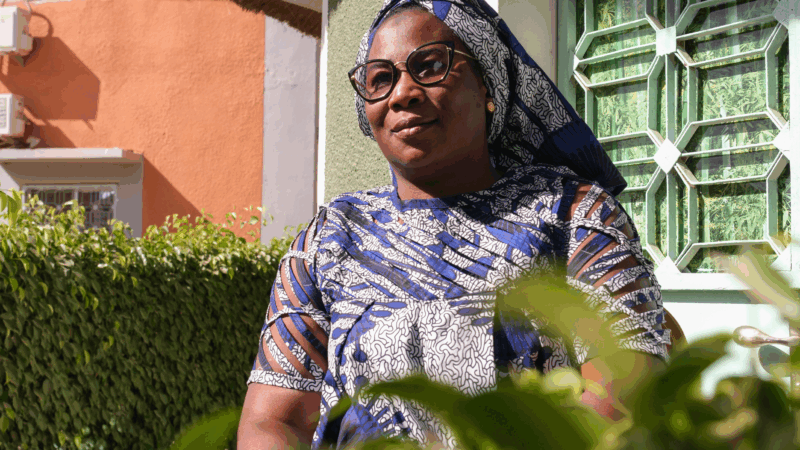
Why women have an especially tough time in Senegal’s prisons
Women charged with a crime in Senegal are at the mercy of a slow judicial process and prisons that may lack basic supplies. They also face stigma that robs them of familial and community support.

Musher from Alabama is going for back-to-back Iditarod wins
Riches and paid appearances haven’t followed Jessie Holmes since he won the world’s most famous sled dog race, the Iditarod, last year. He doesn't mind.
