
Inflation is holding steady as Trump’s tariffs have yet to fully hit
Inflation showed little change last month as President Trump’s tariffs have so far not had a big effect on the prices that American shoppers pay.
Consumer prices in May were up 2.4% from a year ago, according to a report Wednesday from the Labor Department. That’s a slightly larger annual increase than the month before.
But prices rose just 0.1% between April and May — down from 0.2% the month before. Falling gasoline prices helped to offset the rising cost of rent and groceries.
Trump’s tariffs may have contributed to the rising price of some goods in May, such as appliances and toys. But overall goods prices held steady last month. Forecasters expect the cost of tariffs to become more evident in the months to come.
The president has imposed an import tax of at least 10% on nearly everything the U.S. buys from other countries, and that tax rate could increase next month, at the conclusion of a 90-day window for trade negotiations.
Federal Reserve governor Adriana Kugler warned that Trump’s tariffs could reverse some of the progress that’s been made on inflation over the last two years.
“We are already seeing the effects of higher tariffs, which I expect will continue to raise inflation over 2025,” Kugler told the Economic Club of New York last week.
Loading…
The Fed cut its benchmark interest rates by a full percentage point last year, but the risk that tariffs could rekindle inflation has made the Fed cautious about additional rate cuts, despite persistent urging by the president.
The central bank is widely expected to hold interest rates steady again when Fed policymakers meet next week.
Egg and gas prices fall
Grocery prices rose 0.3% in May. The price of eggs continued to fall, as the nation’s flock of egg-laying hens slowly recovered from a widespread outbreak of avian flu.
While gasoline prices have fallen in recent months, other energy prices are climbing.
Higher electricity prices are expected to boost air conditioning bills by 2.1% this summer, according to a new forecast from the Energy Department, even though average temperatures are expected to be slightly cooler than last year.
Power prices have been pushed higher by strong demand from commercial and industrial customers — including data centers — and by increased exports of natural gas, which is used to generate electricity.
Stripping out volatile food and energy prices, “core inflation” was 2.8% for the 12 months ending in May, unchanged from the 12 months ending in April.

When a horse whinnies, there’s more than meets the ear
A new study finds that horse whinnies are made of both a high and a low frequency, generated by different parts of the vocal tract. The two-tone sound may help horses convey more complex information.

Trump’s many tariff tools mean consumer prices won’t go down, analysts say
The Supreme Court struck down President Trump's signature tariffs. But the president has other tariff tools, and consumers shouldn't expect cheaper prices anytime soon, economists say.
Hundreds of American nurses choose Canada over the U.S. under Trump
More than 1,000 American nurses have successfully applied for licensure in British Columbia since April, a massive increase over prior years.

Tax credits for solar panels are available, but the catch is you can’t own them
Rooftop solar installers are steering customers toward leases instead of purchases. Federal tax credits for purchased systems have ended but are still available for leased ones.
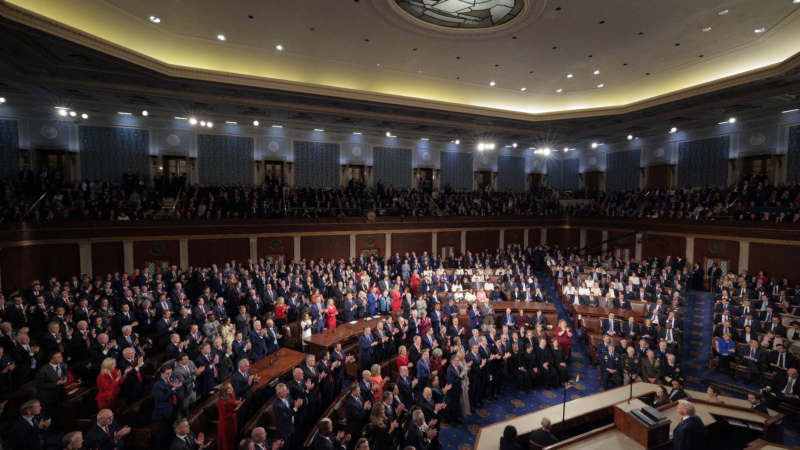
5 takeaways from Trump’s State of the Union address
President Trump hit familiar notes on immigration and culture in his speech Tuesday night, but he largely underplayed the economic problems that voters say they are most concerned about.
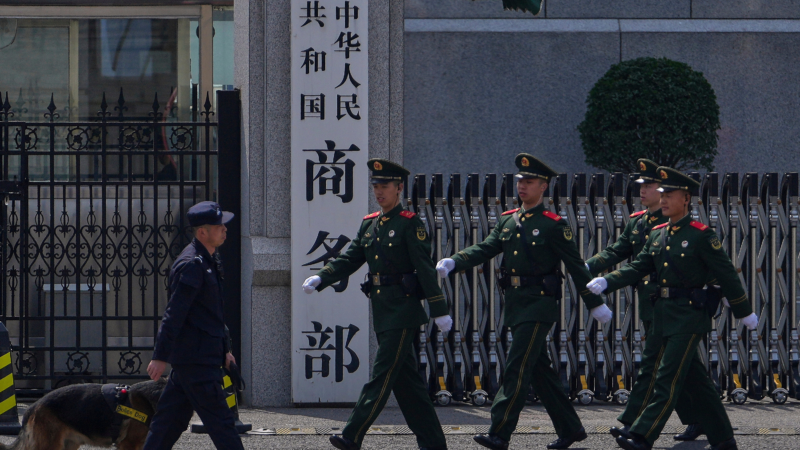
China restricts exports to 40 Japanese entities with ties to military
China on Tuesday restricted exports to 40 Japanese entities it says are contributing to Japan's "remilitarization," in the latest escalation of tensions with Tokyo.
