
China reports 5.4% GDP growth in 1st quarter, but analysts say tariffs will bite soon
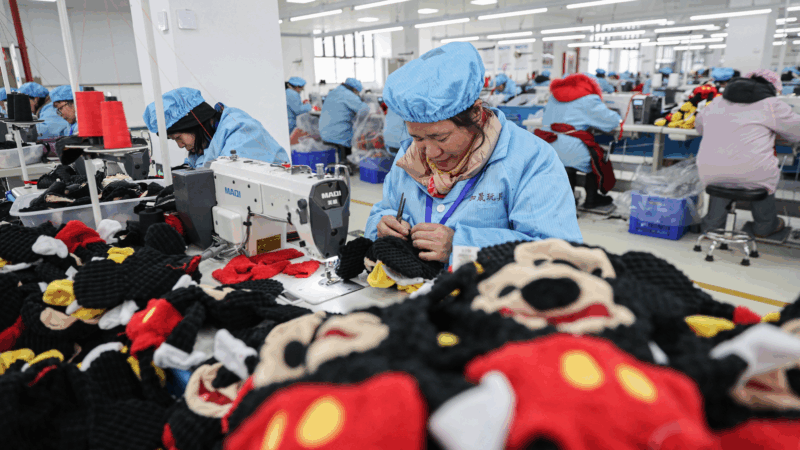
GUANGZHOU, China — Economic activity in China surged in the first quarter of the year, beating expectations ahead of steep new tariffs telegraphed by the Trump administration.
Gross domestic product grew 5.4% in the period from January to March, compared to the same period last year, official data showed. A Reuters poll had growth expected at 5.1%.
The growth in the first three months was driven in part by strong industrial activity and exports. The government said policies to stimulate domestic demand also helped boost growth.
The Trump administration imposed new tariffs on Chinese imports of 20% during that period. President Trump also talked up his upcoming “reciprocal tariffs,” which were unveiled in early April.
U.S.-China tit-for-tat affects China’s economic growth
China was hit hardest by President Trump’s latest tariffs. The country is now subject to up to 245% of levies — though many key electronic goods from China have been exempted for now.
Beijing said last week that Trump’s tariffs are a “joke” and has kept its levies on U.S. goods at 125%. It has also cut off more rare earth minerals to the U.S. These metals are critical for defense technologies, medical treatments and consumer electronics.
Though Beijing has so far been defiant in its response to U.S. tariffs, analysts expect growth in China to slow in the current quarter because of the tariffs.
“Though we expect Beijing to significantly step up its efforts to replace the loss of exports to the US with domestic demand, this will likely be quite challenging,” Ting Lu, an analyst at Nomura, wrote in a research note. “China’s economy faces two material drags simultaneously: the ongoing property fallout internally and the unprecedented U.S.-China trade war externally.”
He added that the rapidly worsening U.S.-China trade war “might also deal a further blow to the still-struggling property sector, including property markets in tier-one cities, which have been showing some signs of stabilization.”
On Monday, UBS downgraded China’s 2025 growth forecast to 3.4%, assuming current tariff hikes remain and China rolls out additional stimulus, noting high margins of error due to uncertainty surrounding the tariffs.
“While China’s retaliatory tariffs may push up prices of some imports, the U.S. tariffs would reduce China’s external demand sharply and add downward pressures to domestic prices in China,” UBS wrote in a research note.
Amid the heightening trade war, China has filed a number of complaints to the World Trade Organization. On Wednesday, it appointed Li Chenggang, a former assistant commerce minister and China’s WTO ambassador, as its new trade envoy.
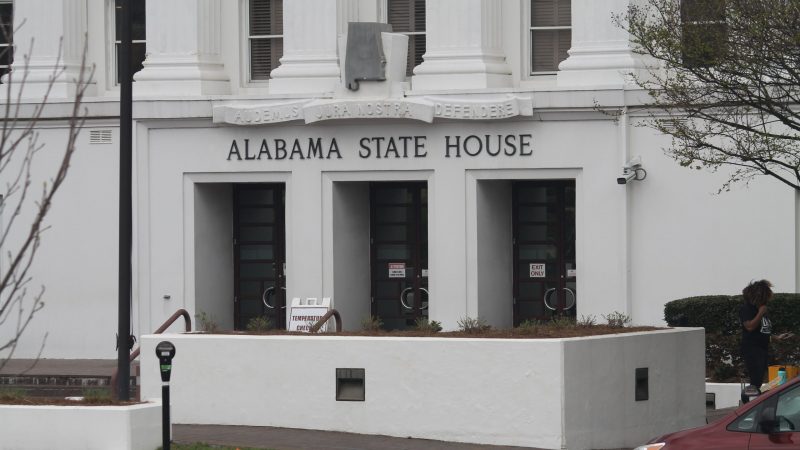
Bill making the Public Service Commission an appointed board is dead for the session
Usually when discussing legislative action, the focus is on what's moving forward. But plenty of bills in a legislature stall or even die. Leaders in the Alabama legislature say a bill involving the Public Service Commission is dead for the session. We get details on that from Todd Stacy, host of Capitol Journal on Alabama Public Television.
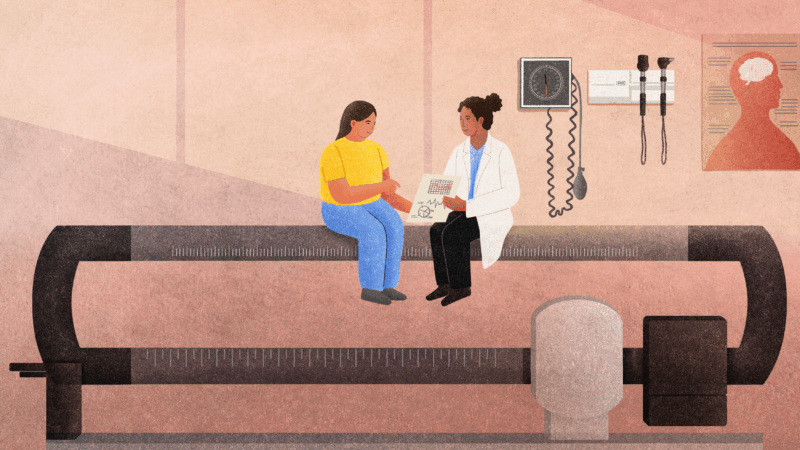
My doctor keeps focusing on my weight. What other health metrics matter more?
Our Real Talk with a Doc columnist explains how to push back if your doctor's obsessed with weight loss. And what other health metrics matter more instead.
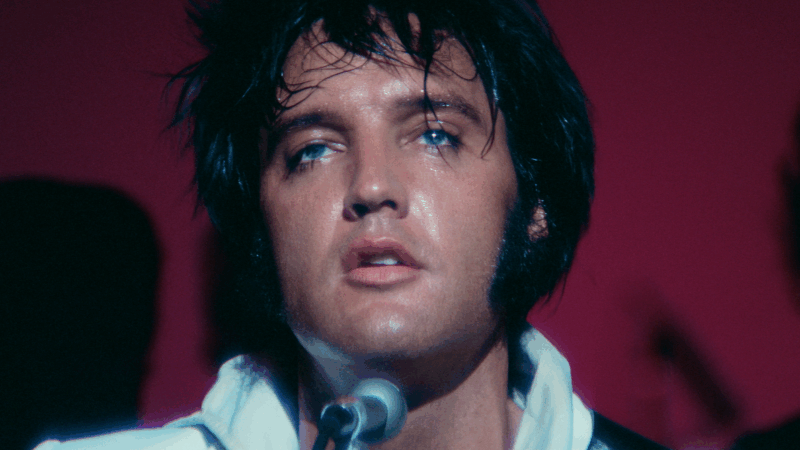
Baz Luhrmann will make you fall in love with Elvis Presley
The new movie is made up of footage originally shot in the early 1970s, which Luhrmann found in storage in a Kansas salt mine.
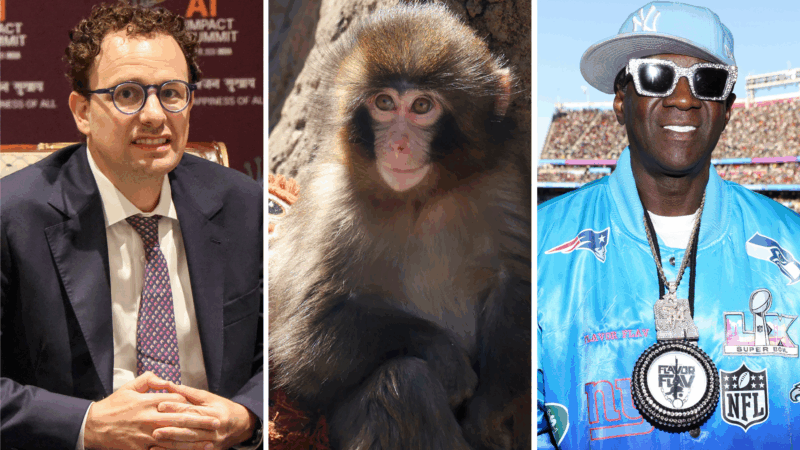
Forget the State of the Union. What’s the state of your quiz score?
What's the state of your union, quiz-wise? Find out!
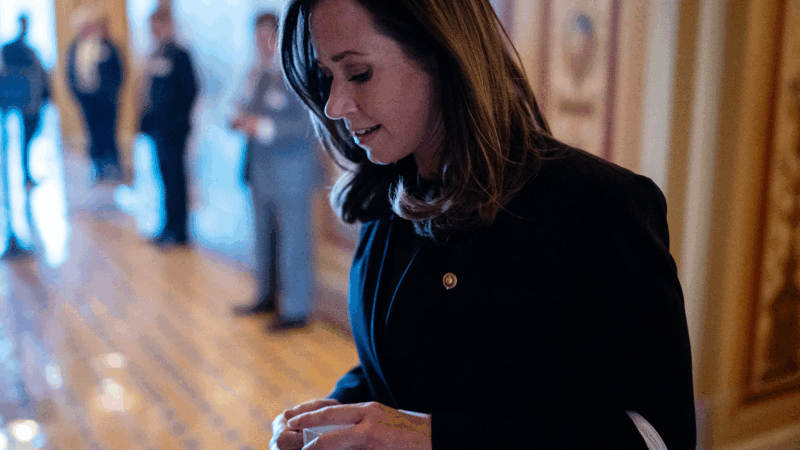
SNL mocked her as a ‘scary mom.’ In the Senate, Katie Britt is an emerging dealmaker
Sen. Katie Britt, Republican of Alabama, is a budding bipartisan dealmaker. Her latest assignment: helping negotiate changes to immigration enforcement tactics.
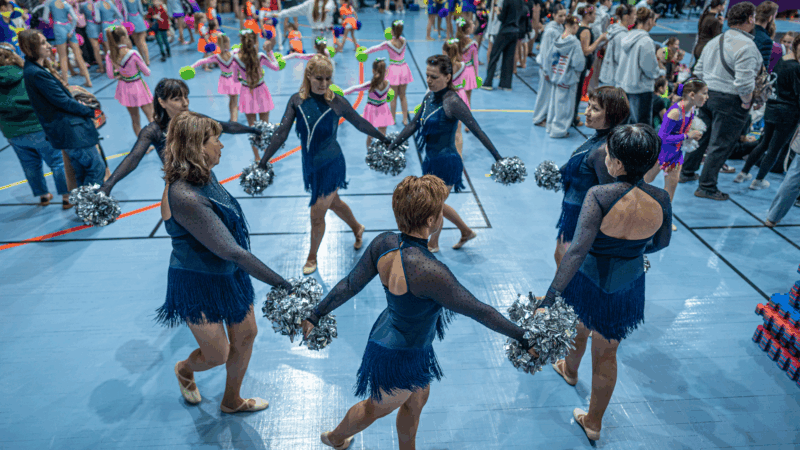
A team of midlife cheerleaders in Ukraine refuses to let war defeat them
Ukrainian women in their 50s and 60s say they've embraced cheerleading as a way to cope with the extreme stress and anxiety of four years of Russia's full-scale invasion.
