
Anxious about your money right now? Financial advice in times of economic uncertainty
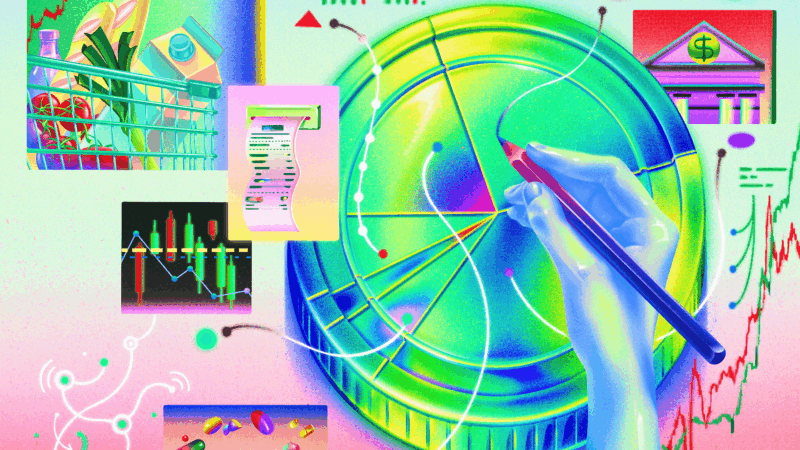
With stock market volatility and fears of price increases driven by the new tariffs, you may be worried about your finances.
In times of economic uncertainty, “focus on what you can control,” says Lauryn Williams, a certified financial planner and founder of Worth Winning, a financial coaching firm. “That can bring our anxiety levels down” and help us make better decisions about our money.
When the economy is hard to predict, tried-and-true financial advice will serve you well, Williams says. Keep adding to your rainy day fund, be cautious of your spending and don’t panic. She shares more tips on how to manage your money right now.
🌐 Regardless of the new tariffs, stick to buying only what you need. Some people may tell you to make big purchases now or stockpile certain items as tariffs change. But Williams says to exercise some restraint. We don’t know if the tariffs are temporary or long-term or how the economy will adjust. “So only purchase the necessities” and consider holding off on large, unnecessary purchases.
🚫 Watch out for scams. Beware of solicitations to “recession-proof your finances” for a fee, debt relief offers or get-rich-quick schemes, Williams says. Scams tend to ramp up during financial crises. “Avoid people who pressure you to take quick action, look closely at a group or individual’s credentials and do background checks on the organization before you send money off to it.”
📺 Be wary of information overload. Don’t let the news, social media or group chats about the economy “incite fear and make you second guess your financial plans,” Williams says. While it’s good to educate yourself about what’s happening, “don’t just start pressing buttons and changing your plan unless you absolutely know what’s going on.”
If you need to, tune out of the news for a while or unfollow people on social media who are making you feel anxious about your finances, she says.
💰Continue building up your emergency fund and short-term savings. If there is an economic downturn, “you are going to need something to help you get through the tough time, whether it’s inflation, a layoff or some other emergency,” Williams says.
🏦 Consider cutting back on debt payments. “If you’re not going to be in the same financial situation you had hoped for, you’re going to want those dollars in your pocket,” Williams says. In periods of economic uncertainty, consider temporarily making minimum payments on your debt, but keep in mind that doing so may lead to being in debt longer term. To minimize interest, make sure you’re paying off your highest interest rate debts first.
👵🏻 If you’re close to retirement, consult with a financial professional. If you’re planning on retiring in three to five years, swings in the economy could affect your retirement funds, Williams says. She recommends hiring a certified financial planner to help you make a plan.
🫨 If you’re not planning on retiring anytime soon, don’t watch your investments too closely. Market volatility is not going to affect your long-term outcome, Williams says, so don’t change your retirement plan. If you want to, you could “ratchet down your retirement savings,” but don’t stop investing. “You want to continue to be able to grow and be there when the market swings back up.”
The podcast episode was produced by Clare Marie Schneider. The digital story was edited by Meghan Keane. The visual editor is Beck Harlan. We’d love to hear from you. Leave us a voicemail at 202-216-9823, or email us at [email protected].
Listen to Life Kit on Apple Podcasts and Spotify, and sign up for our newsletter. Follow us on Instagram: @nprlifekit.
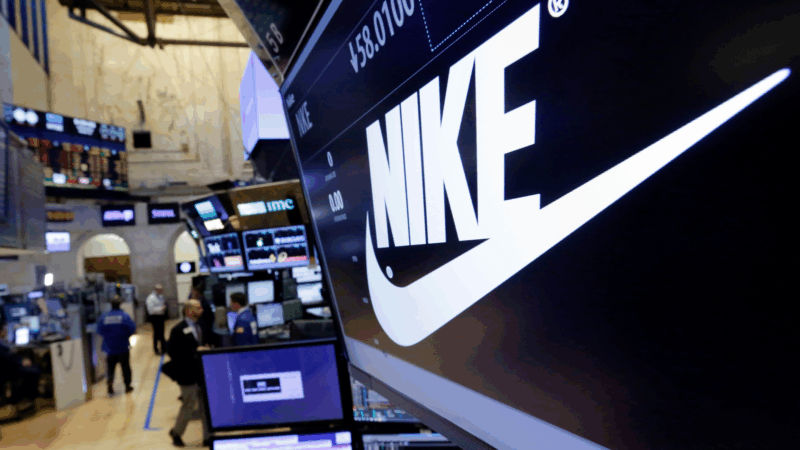
Nike faces federal probe over allegations of discrimination against white workers
The federal agency for protecting workers' civil rights revealed Wednesday that it is investigating sportswear giant Nike for allegedly discriminating against white employees.
ICE can’t make warrantless arrests in Oregon unless there’s risk of escape, judge rules
U.S. immigration agents in Oregon must stop arresting people without warrants unless there's a likelihood of escape, a federal judge ruled Wednesday.
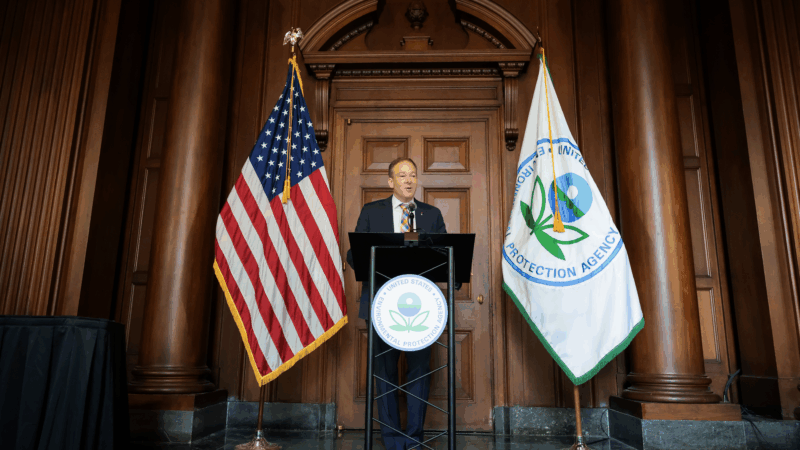
Trump’s EPA issues record low legal actions against polluters, watchdog group finds
The EPA enforced a record low number of environmental laws and regulations during the first year of President Trump's second term in office.

Researchers say no evidence of TikTok censorship, but they remain wary
Posts have been going viral on social media accusing TikTok's new owners of suppressing content, but eight academics examined the issue and found no evidence to support the claims.
Newly released court records reveal misconduct inquiry into federal judge
A federal judge said he retired to speak out about threats to the rule of law. Newly released court orders suggest his exit coincided with a misconduct inquiry that ended when he stepped down.

Moltbook is the newest social media platform — but it’s just for AI bots
A new message board for artificial intelligence agents has prompted some strange conversations, and existential questions about the inner lives of bots.
