
A trove of forgotten Nazi documents is found in Argentina’s Supreme Court basement
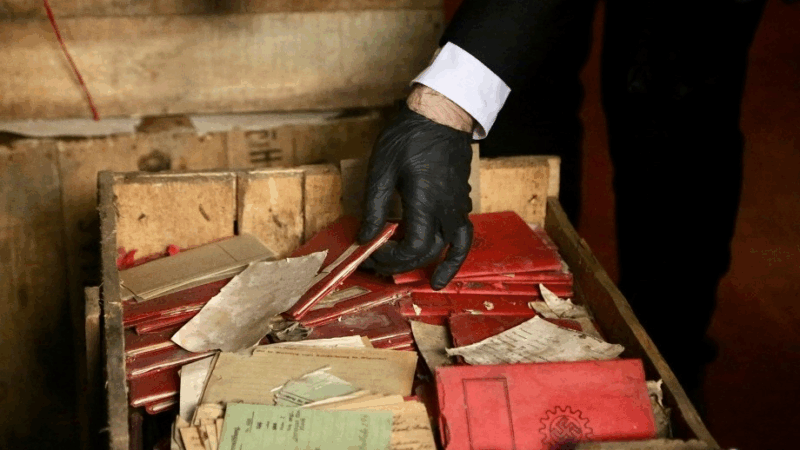
It was only by chance that a cache of secret Nazi documents seized during World War II was recently found in the basement of Argentina’s top court.
Judicial officials who were relocating court archives to a new museum encountered the boxes of German government records by accident, the Supreme Court said on Monday.
Inside were stacks of Nazi papers including material “intended to consolidate and propagate Adolf Hitler’s ideology in Argentina” during the war, the court said. The contents of the Nazi crates are now being surveyed and inventoried by order of Supreme Court president Horacio Rosatti.
According to the court, some 83 packages sent from the Germany embassy in Tokyo arrived in Argentina in 1941 aboard the Japanese steamer Nan-a-Maru.
The German diplomatic mission at the time said the boxes contained the personal effects of its members, but Argentinian customs officials warned the foreign minister that allowing the packages into the country without inspection could threaten Argentina’s neutrality in World War II.
When some Argentinian officials opened five of the boxes at random, they found Nazi propaganda, postcards, photographs and thousands of notebooks from the National Socialist German Workers’ Party Organization Abroad and the German Trade Union.

A federal judge ordered that the cargo be seized and referred the matter to Argentina’s supreme court. In its announcement this week, the court didn’t say why the boxes had gone unopened for so long.
On Friday, Rosatti and other Argentinian officials, including representatives from the Buenos Aires Holocaust Museum, were present for the official opening of the boxes.
The contents will now be placed under police guard while they are scanned, digitized and reviewed. Officials said they want to see what information the materials contain about the Holocaust and other aspects of the regime, such as the “global Nazi money trail.”
A new Nepali party, led by an ex-rapper, is set for a landslide win in parliamentary election
A Nepali political party led by an ex-rapper is set for a landslide victory in the country's first parliamentary election since Gen Z protests ousted the old leadership that has ruled the Himalayan nation for decades.

U.S. Judge says Kari Lake broke law in overseeing Voice of America
He declared all of Lake's actions over the past year to be null and void, including the layoffs of more than 1,000 journalists and staffers.
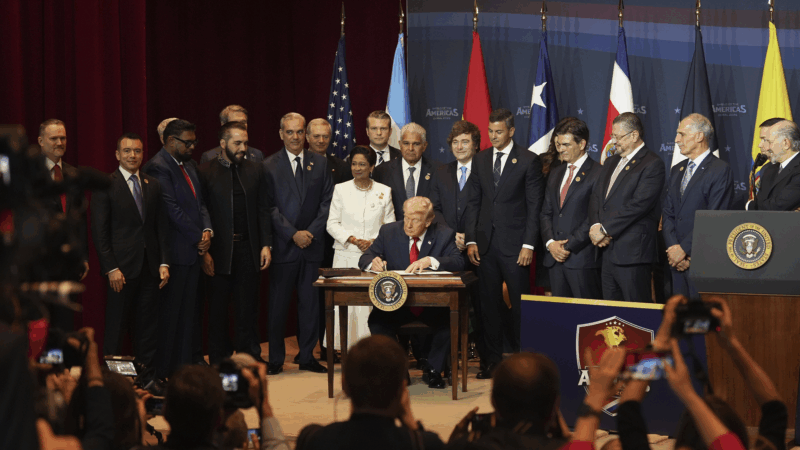
Trump vows to ‘take care of Cuba,’ praises Venezuela cooperation at summit
Trump made the promise in front of an assembled meeting of Latin American leaders.
British Columbia to make daylight saving time permanent
The Canadian province is permanently ending the biannual time shifts for more light at the day's end. But research shows daylight saving increases health risks.
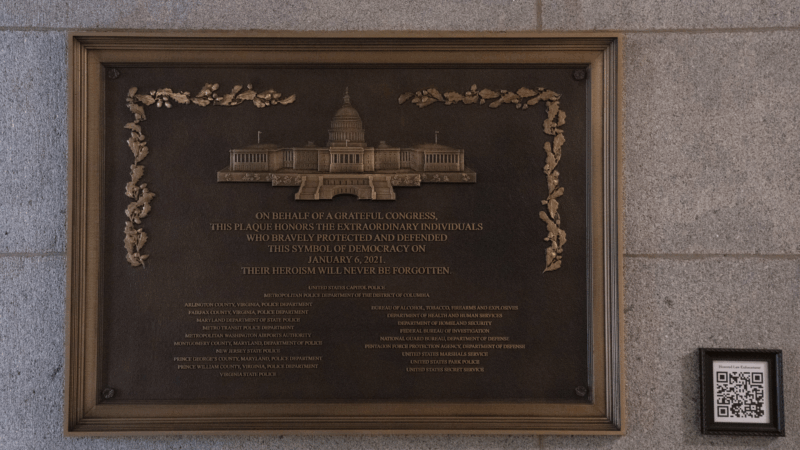
Jan. 6 plaque honoring police officers is now displayed at the Capitol after a 3-year delay
Visitors to the Capitol in Washington now have a visible reminder of the siege there on Jan. 6, 2021, and the officers who fought and were injured that day.
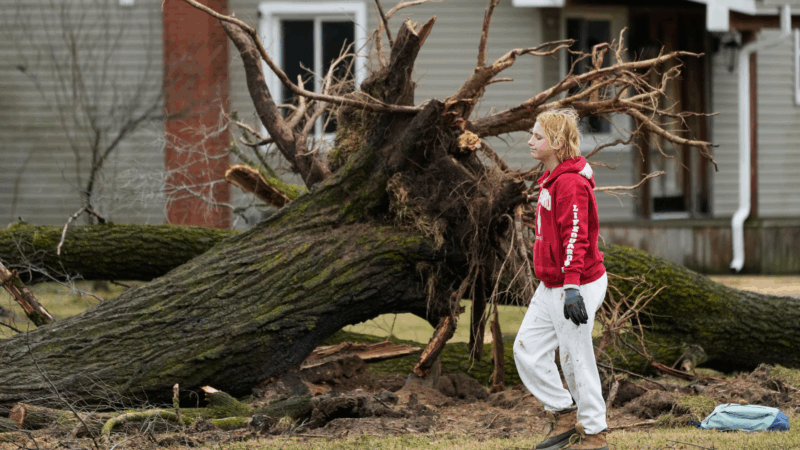
Authorities searching debris after suspected tornadoes kill 6 in Michigan, Oklahoma
A 12-year-old boy is reported to be among the dead following powerful storms that stretched across the middle of the country.
