
Economic Opportunity, Community Policing Among Solutions To Birmingham’s Gun Violence
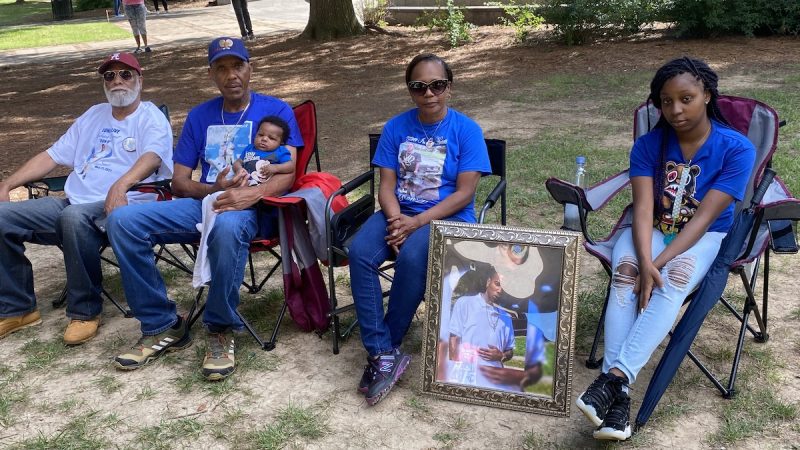
The family of Rondarius Bryant were in attendance at Kelly Ingram Park led by the Mothers Who Want The Violence To Stop.
Birmingham has been riddled with crime for decades, and people are concerned about the increasing number of homicides. In 2020, violent crimes such as rape and robberies decreased, but gun-related violent crimes increased almost 20%. Last year ended with a total of 122 homicides, the most in the last 25 years. So far in 2021, there have been at least 60 homicides in the city of Birmingham, according to data from the Jefferson County Coroner’s Office.
Local officials are trying new things. This summer, the Birmingham police are opening a real-time crime center, a tech hub providing live updates. They are also working with Crime Stoppers to get tips that will lead to arrests and hopefully end the no-snitch culture. And, there’s a new federal partnership to improve safety at the city’s 14 public housing properties.
However, some people are wondering if that’s enough.
“I think that the schools need to make some kind of provision for them to have some kind of good job,” said Apostle Wanda Stephens. “You see what I’m saying? Not to go out and get a job that’s paying seven, eight dollars.”
After Stephen’s son was killed in 2006, she turned her grief into action by starting the organization Mothers Who Want The Violence To Stop. Stephens wants city and school leaders to enact more systemic solutions.
Research shows that one issue that leads to crime is income disparities. Almost 30% of Birmingham residents live in poverty. Lonnie Hannon, who is a behavior health professor at the University of Alabama at Birmingham, said that people like to live in what’s considered societal norms.
“Like, to be able to purchase a house, to wear specific types of clothing, to drive certain types of cars, to provide certain resources to the family,” Hannon said. “Then you have to find ways to increase legitimate opportunities for the people who are experiencing what I call, you know, chronic poverty.”
Hannon said if people aren’t feeling that they fit within those social norms of income, then they’re willing to take risks to get there. This is common among urban communities.
Birmingham could learn some lessons from Camden, New Jersey, which has served as a model city for decreasing its crime rates. In 2013, the city of Camden disbanded its police force and rebuilt it with a focus on community policing. That year, the city had a total of 57 homicides, but in 2020, they only had 17. That’s a 67% decrease. Camden County Commissioner Louis Cappelli attributed the city’s success to focusing on building community relationships.
“Trust has led to a tremendous partnership between residents and police that helps us to solve crimes, prevent crimes,” Capelli said. “[It lets] us know where there might be some hotspots or bad things happening.”
Jeffrey Walker, who leads the department of criminal justice at UAB, endorses community policing. For example, he said police can walk and interact with people in their neighborhoods at particular times.
“If you look at Camden, that’s a lot of what they did. They just started doing some very serious interaction with the community,” Walker said.
While the idea of defunding the police has grown more popular nationally, Hannon said he doesn’t agree with that. He pointed to other longer-term solutions.
“Do I feel as if we should invest in mental health, should we invest in education, should we invest in de-escalation tactics? Yes, I do,” Hannon said.
One program that’s taking that community-minded approach is the Birmingham Promise. It guarantees qualifying Birmingham City School students free college education. This gives at-risk kids a chance to elevate their economic status without the burdens of student loan debt. This is a longer-term solution that may take years to see the full results, but all of these efforts could make a difference in Birmingham.
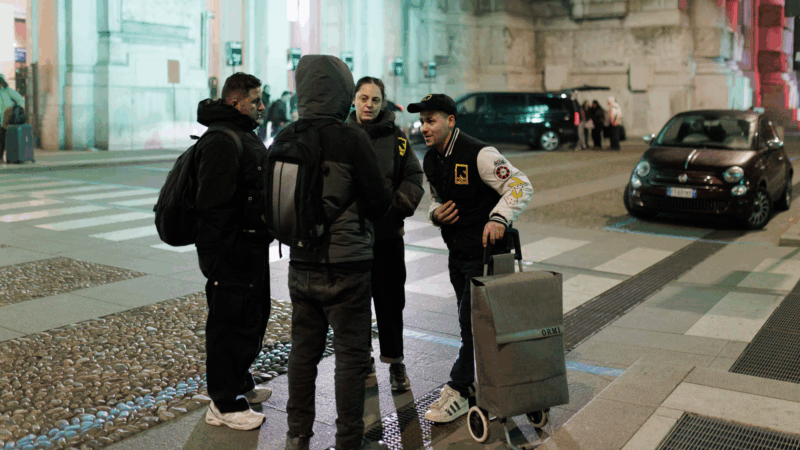
In the shadow of the Olympics, migrants search for a welcome in Milan
As Italy cracks down on migration, Milan takes a different path — offering shelter and integration to asylum seekers even as the central government tightens borders and funds deterrence abroad.
Trump to raise global tariffs. And, most say the state of the union is weak, poll says
President Trump says he is raising global tariffs to 15%. And ahead of the president's address tomorrow, most Americans say the state of the union is not strong, according to an NPR poll.
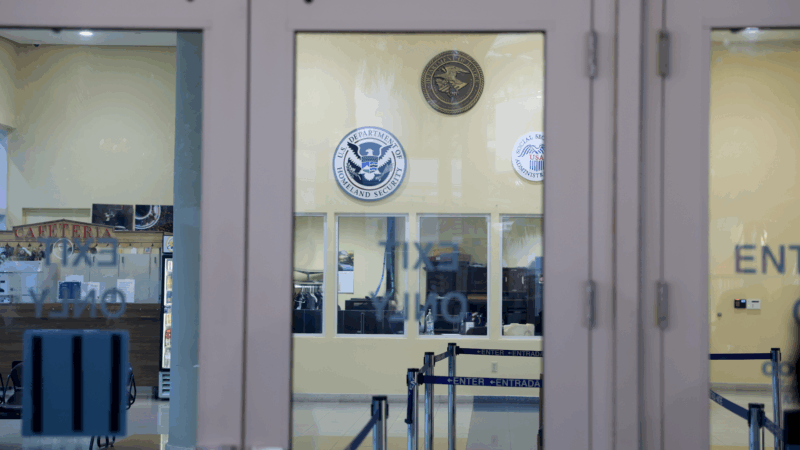
U.S. has a quarter fewer immigration judges than it did a year ago. Here’s why
The continued drain of personnel from the already strained immigration court system has contributed to depleted staff morale, mounting case backlogs — and floundering due process.

Poll: Most say the state of the union is not strong and the U.S. is worse off
Ahead of the State of the Union address on Tuesday, evidence continues to mount that President Trump is facing political headwinds.
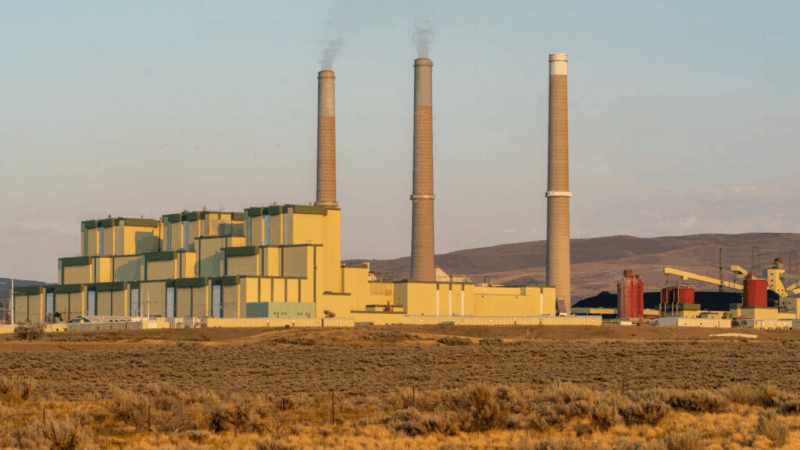
The owners want to close this Colorado coal plant. The Trump administration says no
The Trump administration has ordered several coal plants to keep operating past their planned retirement, part of a larger effort to boost the coal industry. Two Colorado utilities are pushing back.

Influencers are promoting peptides for better health. What’s the science say?
The latest wellness craze involves injecting these molecules for athletic performance, longevity and more. Scientists say the research isn't keeping pace with the health claims.
