
Alabama Author Wants People to Take a “Fresh Look at Roadkill”
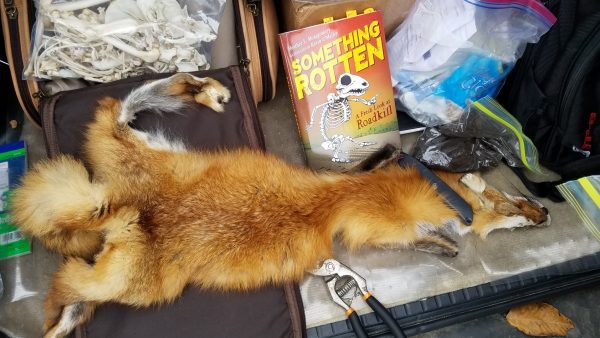
"Something Rotten, A Fresh Look at Roadkill" explores what we can learn from studying roadkill.
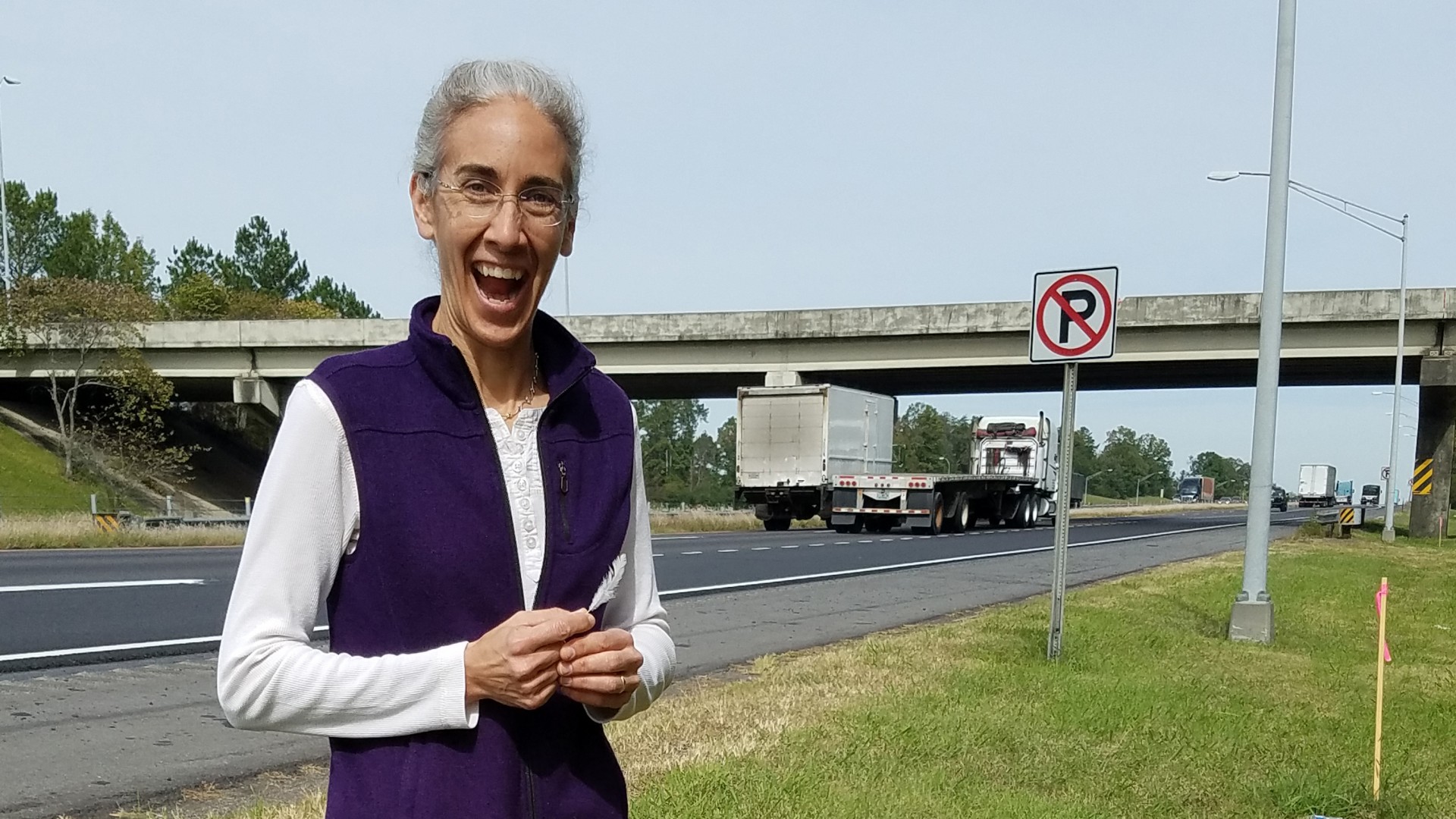
When North Alabama author Heather L. Montgomery sets her mind to something, she commits. Trekking through the woods on the side of Highway 65 near Cullman, she points to a spot a few yards away.
“This is kind of the environment that I was in when, ok I was driving down the road and I saw a turtle and it was just coming on to the pavement,” Montgomery says.
She thought to herself, ‘this turtle needs help.’ So she pulled off on the side of the road to move it to safety. More often, by the time she arrives, it is too late for that. The animals have become roadkill. But Montgomery, a naturalist and biologist, still stops, because she says their bodies have a story to tell.
“And then when I realized that there are other people that, like, paid attention to roadkill, it blew my mind,” Montgomery says.
Mary Scott Hodgin
North Alabama author Heather L Montgomery is an educator and a trained biologist.
In her new book, Something Rotten, A Fresh Look at Roadkill, Montgomery shares her journey to find these people. She interviews a biologist in Australia who studies cancer in dead Tasmanian devils, and herpetologists who collect run-over snakes, classified as D-O-R, “Dead on the Road.” Sometimes these roadkill-obsessed scientists discover new species. Others study roadkill to prevent it. There are engineers who find “hot spots” where animals often get hit, then build tunnels for them to cross underground or set-up barriers to restrict access.
“How do we know where animals live? Well, roadkill. How do we know when they mate? Well, roadkill.” Montgomery says. “These are answers that we can find, that are sitting there by the road. We just have to ask the questions.”
Montgomery has published more than a dozen books, exploring topics like insect parenting and bugs with rude behavior. She writes for kids, but really for anyone who is not afraid of a little gross.
“Adults are fascinated by this material too,” she says, “but we’ve kind of trained ourselves to not look at things, and kids aren’t limited. They’re not inhibited yet.”
In Something Rotten, Montgomery describes beetle larvae that eat away at flesh and parasites that feed off of dead animals. She says the gore serves a purpose, showing what we can learn from what she calls the tragedy of roadkill. Armed with plastic gloves, hand sanitizer and a knife, she is always prepared to pull over on a busy road or highway.
“So this is what I carry with me, so that when I find an animal, either if it’s an animal that needs to be submitted to the natural history museum, or if I need to collect parts for scientists or if I’m going to use that body for educational materials, this is what I have,” Montgomery says.
She does not advise people to go out and collect dead animals themselves, not without training. But Montgomery hopes Something Rotten will reshape how readers look at roadkill.
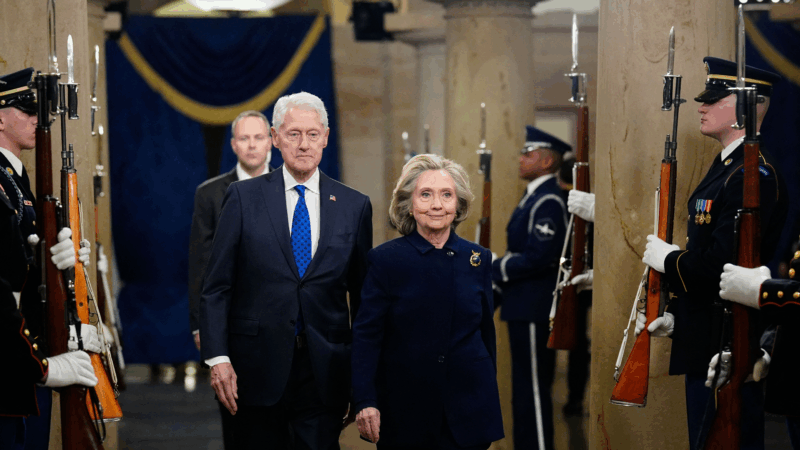
Video of Clinton depositions in Epstein investigation released by House Republicans
Over hours of testimony, the Clintons both denied knowledge of Epstein's crimes prior to his pleading guilty in 2008 to state charges in Florida for soliciting prostitution from an underage girl.
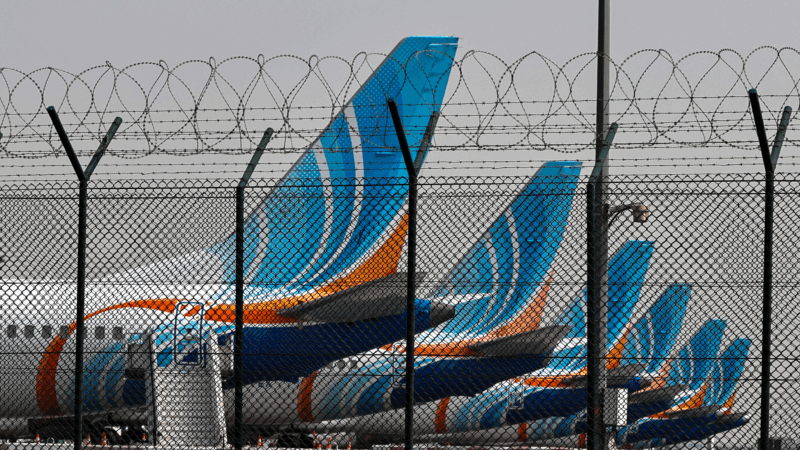
Some Middle East flights resume, but thousands of travelers are still stranded by war
Limited flights out of the Middle East resumed on Monday. But hundreds of thousands of travelers are still stranded in the region after attacks on Iran by the U.S. and Israel.

‘Hamnet’ star Jessie Buckley looks for the ‘shadowy bits’ of her characters
Buckley has been nominated for a best actress Oscar for her portrayal of William Shakespeare's wife in Hamnet. The film "brought me into this next chapter of my life as a mother," Buckley says.

How, who, and why: NPR flips its famous letters to defend the right to be curious
NPR is standing up for the public's right to ask hard questions in a national campaign dubbed "For your right to be curious." At NPR's headquarters, on billboards in New York City, Chicago, and Washington, D.C., and across social media, NPR's three iconic letters transform into "how," "who," and "why" — a bold declaration of its commitment to fight for Americans' right to ask questions both big and small.
Oil prices surge, but no panic yet, as Iran war continues
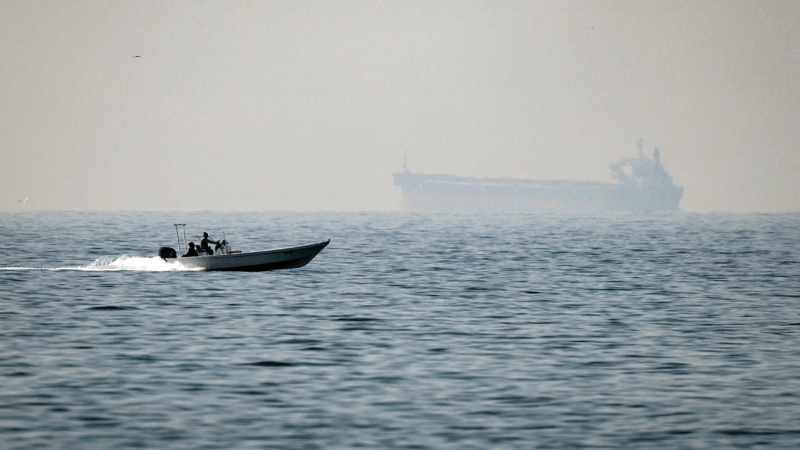
Global oil prices are in the high $70s as traffic through Strait of Hormuz comes to a halt. Some analysts have warned they could top $100 a barrel if the stoppage is prolonged.
Hegseth: ‘We didn’t start this war but under President Trump we’re finishing it’
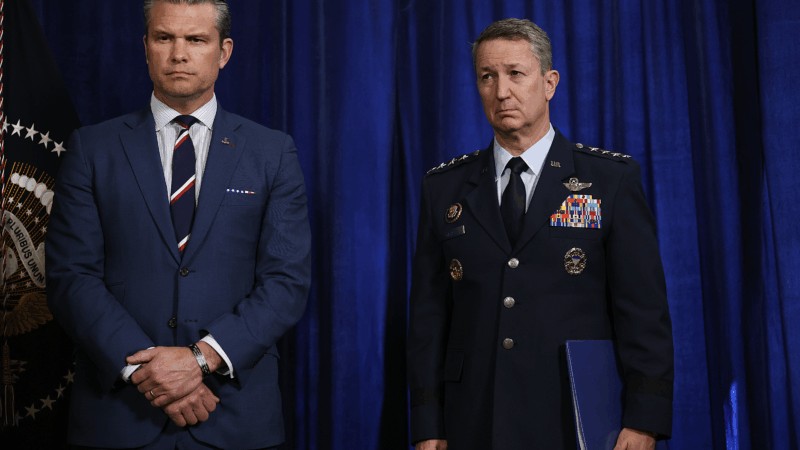
The remarks are the first to reporters since the U.S.-Israeli military operations against Iran began Saturday despite weeks of talks designed to stave off a conflict.
