
Carly’s Law Study: Patients On Marijuana Derivative Oil Report Progress
Last year, Alabama was the second state to legalize limited use of a marijuana derivate commonly known as CBD oil. Alabama’s “Carly’s Law” allows doctors and researchers at the University of Alabama at Birmingham to study and prescribe CBD oil to select patients suffering from seizures. CBD oil has only traces or no THC, the main active ingredient in marijuana known to produce a high. And it’s changing the debate about medical marijuana. UAB’s study officially started this spring. Here’s an update:
PEDIATRIC PATIENTS
Robert Mitchell, 11, of Decatur, and Carly Chandler, 4, of Hoover each suffer from difficult-to-treat seizure disorders. They experience hundreds of seizures daily, and they vary in severity and duration. Both families have tried countless conventional medications and diets, and Robert even had brain surgery. But they say the seizures had never let up — that is, not until a few weeks ago when they started taking CBD oil. Robert and Carly are two of the first pediatric patients enrolled in the UAB CBD oil study approved by Carly’s law.
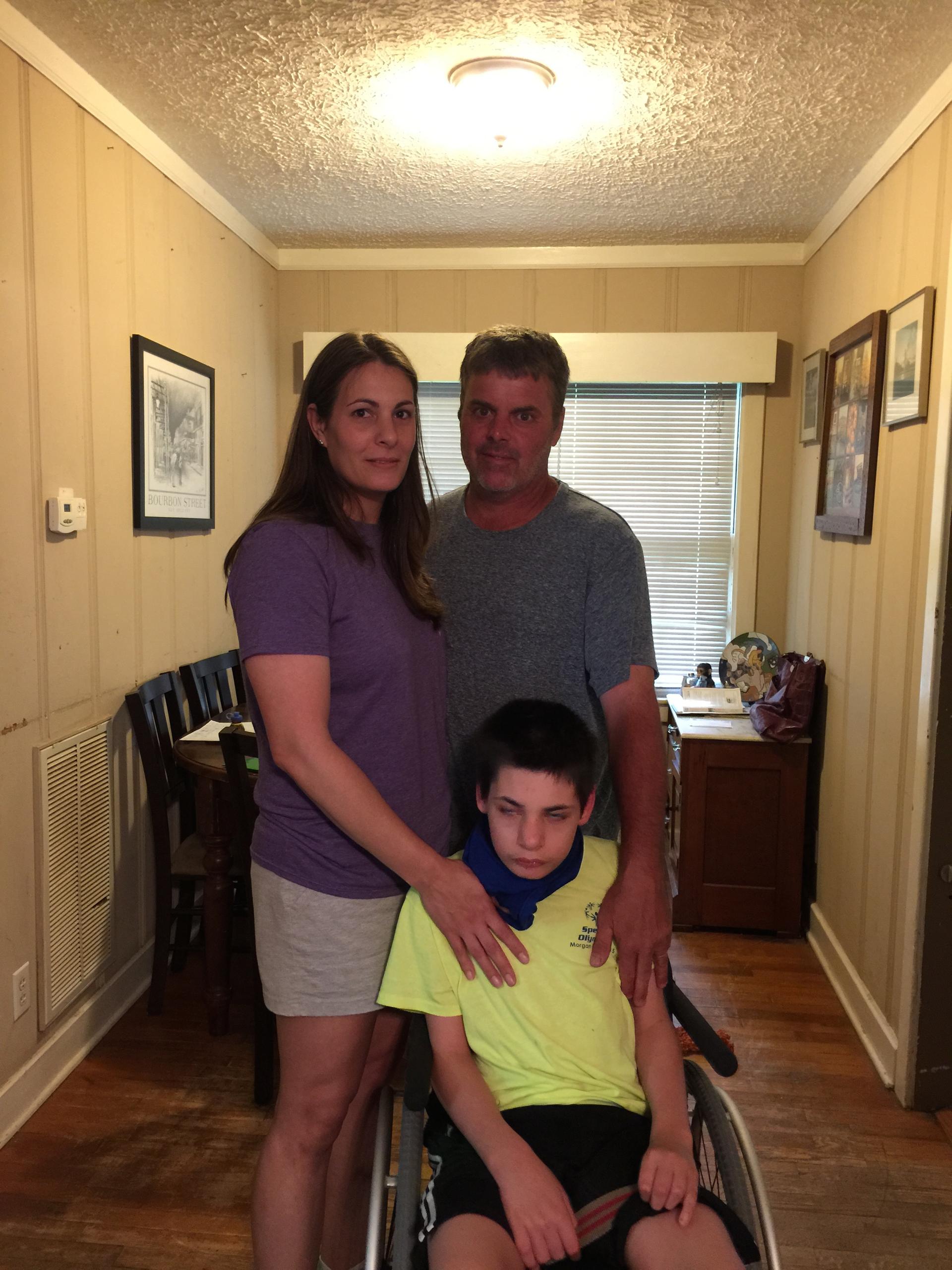
Amy Sedlis,WBHM
The Mitchell Family-Jody, Robert Senior, Robert” credit=”Amy Sedlis / WBHM
CHANGES
Robert’s father says his son’s seizures have drastically subsided, and that Mitchell is more aware than ever.
“I’ve got a kid now that fights me like a teenager for the first time in his life,” he says. “I got a kid that his mother can now trust him to get up and walk around for the first time in a year.”
Carly’s father notes similar improvements. According to Dr. Bebin, who oversees the Pediatric CBD Oil Clinic, Carly’s recent EEG brain scan shows “definite improvement.”
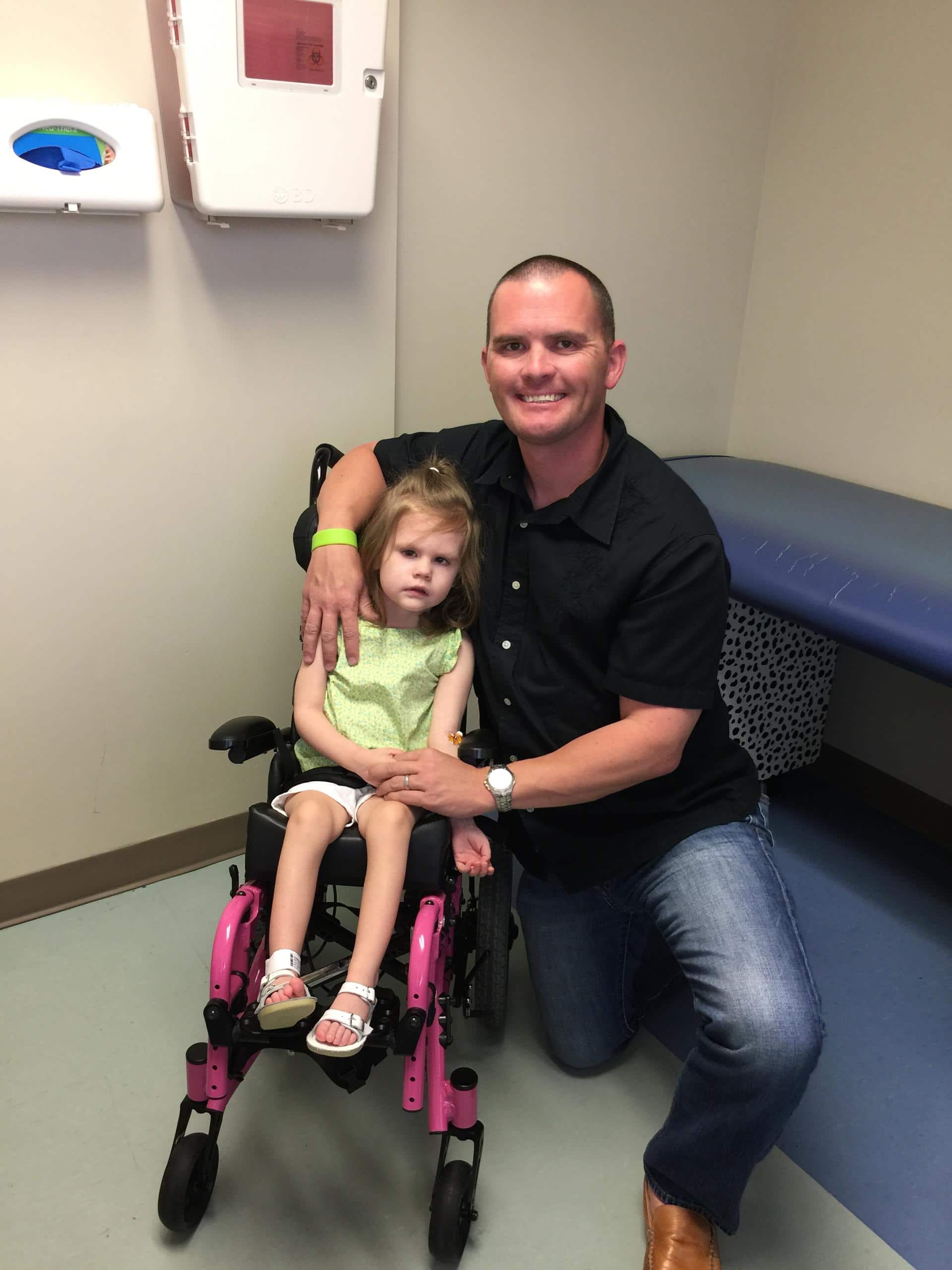
Amy Sedlis,WBHM
The Chandlers-Carly and Dustin” credit=”Amy Sedlis / WBHM
Both families are convinced and optimistic, but due to the lack of previous research, doctors at UAB are hesitant to jump to conclusions.
THE STUDY
Since Carly’s law passed in 2014, patients have hoped to get into the study. So far 16 pediatric patients and 15 adult patients are enrolled. Plans are to enroll 50 of each. Critics say UAB isn’t accepting enough patients, and that they are enrolling patients too slowly. But Dr. David Standaert, Chair of the UAB Neurology department, says it’s all a part of doing research with a drug that’s basically illegal here.
WHAT’S NEXT
But even the the families lucky enough to take part are worried about what will happen when it’s over. Outside of UAB hospital walls, CBD oil is illegal in Alabama. Neither the Mitchells nor the Chandlers want to relocate to a state with more permissive marijuana laws. They intend to fight for state and federal legislation to make CBD more accessible, and not just for those with seizure disorders.
The two families acknowledge that their kids are test patients, and they are ok with that. They say they’re already reaping the benefits of seeing their children come alive.
In Vermont, small town meetings grapple with debate on big issues
Typically concerned with local issues, residents at town meetings in Vermont and elsewhere increasingly use the forum to debate polarizing national and international events.

Alabama man, on death row since 1990, to get new trial
The U.S. Supreme Court on Monday declined to review the summer ruling from the 11th U.S. Circuit Court of Appeals. The decision paves the way for Michael Sockwell to receive a new trial.
Supreme Court blocks redrawing of New York congressional map, dealing a win for GOP
At issue is the mid-term redrawing of New York's 11th congressional district, including Staten Island and a small part of Brooklyn.
U.S. states take steps to guard against any potential threat from Iran
Iran has made prior attempts to launch terrorist attacks on U.S. soil, but all have been thwarted in recent years. States are bracing for a heightened threat after the war.
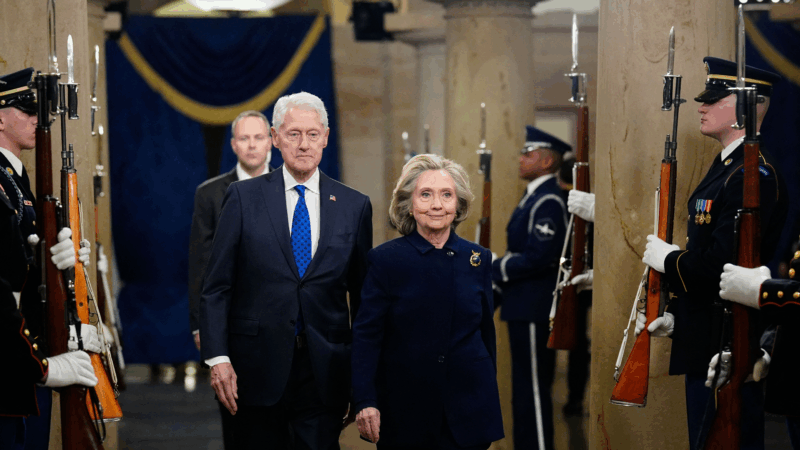
Video of Clinton depositions in Epstein investigation released by House Republicans
Over hours of testimony, the Clintons both denied knowledge of Epstein's crimes prior to his pleading guilty in 2008 to state charges in Florida for soliciting prostitution from an underage girl.
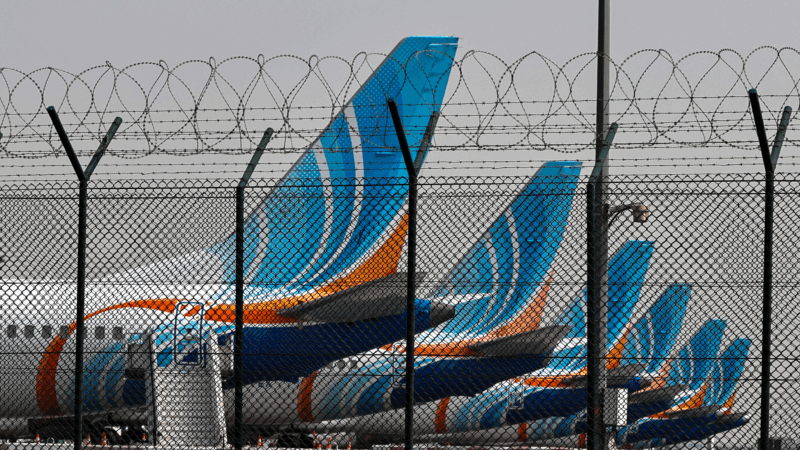
Some Middle East flights resume, but thousands of travelers are still stranded by war
Limited flights out of the Middle East resumed on Monday. But hundreds of thousands of travelers are still stranded in the region after attacks on Iran by the U.S. and Israel.
