
Court rules Alabama violated Voting Rights Act in drawing congressional lines

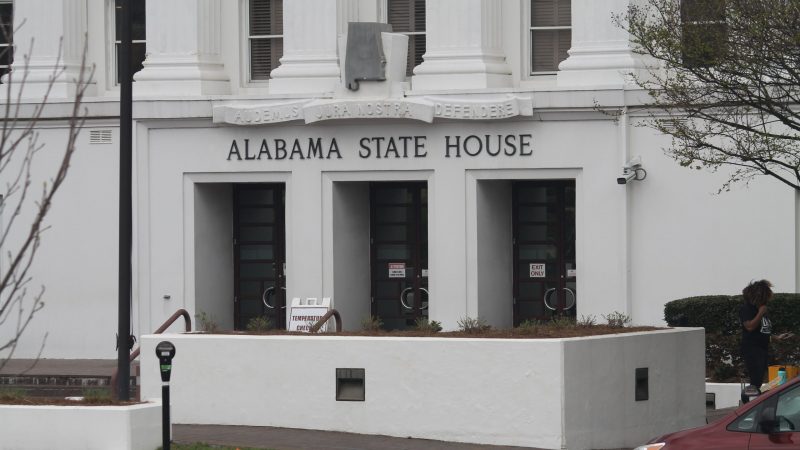
MONTGOMERY, Ala. (AP) — Federal judges ruled Thursday that Alabama intentionally diluted the voting strength of Black residents when it drew congressional lines and said the state must continue using a court-ordered map that led to the election of the state’s second Black congressman.
A three-judge panel permanently blocked Alabama from using a state-drawn map that they said flouted their directive to draw a plan that was fair to Black voters. The decision was not a surprise because the panel ruled against the state twice previously and put a new map in place for last year’s elections.
The judges said that the map drawn by the Alabama Legislature in 2023 violated the Voting Rights Act, just like the one previously drawn by the state.
“The long and short of it is that the 2023 Plan unlawfully dilutes Black voting strength by consigning it to one majority-Black district,” the judges wrote, adding that Alabama should have a second district with a substantial percentage of Black voters.
The judges chided what it called Alabama’s “deliberate decision to ignore” their order to draw a second district where Black voters had an opportunity to elect a candidate of their choosing. “The Legislature knew what federal law required and purposefully refused to provide it, in a strategic attempt to checkmate the injunction that ordered it,” they wrote.
The Thursday ruling came after a February trial over the state map.
“Today’s decision is a testament to the persistence and resilience of Black voters in Alabama, including our clients,” said Deuel Ross, deputy director of litigation at the Legal Defense Fund. “Alabama’s unprecedented defiance of the Supreme Court and the lower court orders harkens back to the darkest days of American history.”
Alabama Attorney General Steve Marshall’s office did not immediately issue a comment on the decision. The state is expected to appeal.
Judges scheduled a hearing on plaintiffs’ request to again make Alabama subject to the preclearance requirement of the Voting Rights Act.
The long-running case began in 2021. Black voters and civil rights groups sued over Alabama’s congressional map. Black residents account for about 27% of the state’s population but were the majority in just one of the state’s seven congressional districts. The lawsuits accused Alabama of packing Black voters into a single majority-Black district and splintering other Black communities to limit their influence elsewhere.
In a joint statement, the plaintiffs called the win “a testament to the dedication and persistence of many generations of Black Alabamians who pursued political equality at great cost.”
U.S. Rep. Shomari Figures last year won election to Alabama’s 2nd Congressional District, giving the state a second Black representative in its congressional delegation for the first time in its history.
Bill making the Public Service Commission an appointed board is dead for the session
Usually when discussing legislative action, the focus is on what's moving forward. But plenty of bills in a legislature stall or even die. Leaders in the Alabama legislature say a bill involving the Public Service Commission is dead for the session. We get details on that from Todd Stacy, host of Capitol Journal on Alabama Public Television.
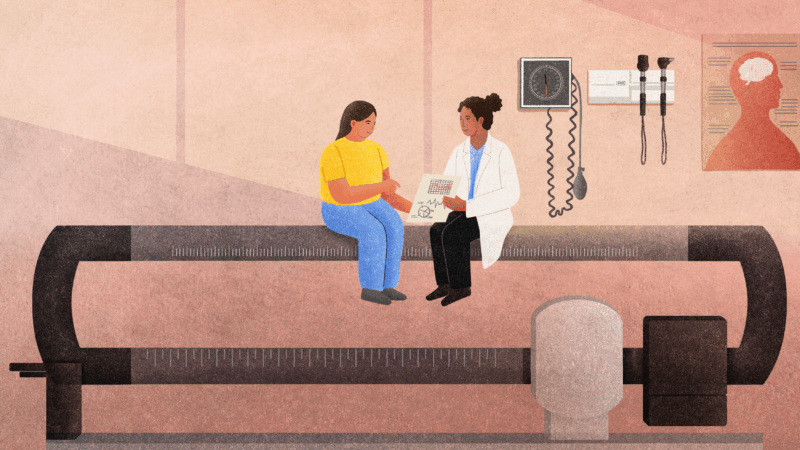
My doctor keeps focusing on my weight. What other health metrics matter more?
Our Real Talk with a Doc columnist explains how to push back if your doctor's obsessed with weight loss. And what other health metrics matter more instead.

Baz Luhrmann will make you fall in love with Elvis Presley
The new movie is made up of footage originally shot in the early 1970s, which Luhrmann found in storage in a Kansas salt mine.

Forget the State of the Union. What’s the state of your quiz score?
What's the state of your union, quiz-wise? Find out!

A team of midlife cheerleaders in Ukraine refuses to let war defeat them
Ukrainian women in their 50s and 60s say they've embraced cheerleading as a way to cope with the extreme stress and anxiety of four years of Russia's full-scale invasion.
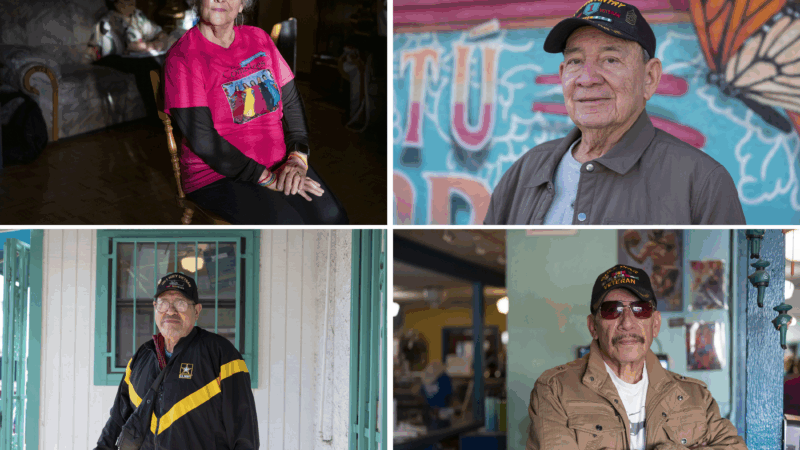
As the U.S. celebrates its 250th birthday, many Latinos question whether they belong
Many U.S.-born Latinos feel afraid and anxious amid the political rhetoric. Still, others wouldn't miss celebrating their country
