
16th Street Baptist Church wins national historic stewardship award
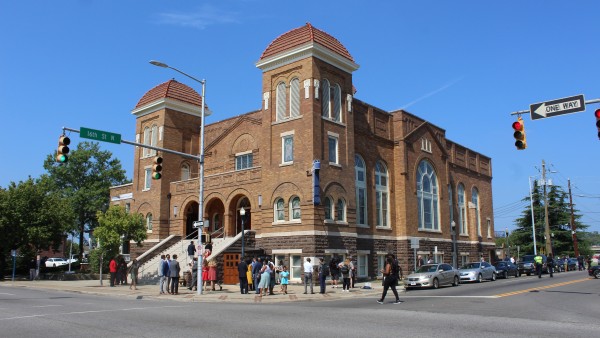
Birmingham's 16th St. Baptist Church
The 16th Street Baptist Church received national recognition on Monday for its historic site stewardship from the National Trust for Historic Preservation. This comes after years of church staff and community members working to restore and preserve the structure as it looked in 1963.
Rev. Arthur Price Jr., pastor of the church, said receiving the award was an honor. But he added the true honor is the part church members have played in its legacy.
“We consider ourselves stewards of not only this building, but of its history,” Price said.
Throughout the 1960s, the 16th Street Baptist Church acted as a headquarters for protestors opposing systemic, institutional racism across the city. In 1963, Ku Klux Klansmen bombed the church just before a Sunday service, killing four Black girls. The next year, the 1964 Civil Rights Act became law.
“I think [the preservation] speaks to the resiliency of this congregation and to those who were in the Civil Rights Movement,” Price said. “They were able to overcome obstacles, and turn those obstacles into opportunities. Because the civil rights movement galvanized a generation to make sure that the Civil Rights Act would get passed and that those little girls’ deaths would not be in vain.”
Today, more than 100,000 tourists visit the church annually, recognizing its historical and cultural significance along with its architecture.
“People go to see the Liberty Bell or the Eiffel Tower because of what those buildings mean,” Price siad. “And people come to Birmingham and view the 16th Street Church because of the movement and what the symbolism of the church means as well.”

Some of the work was done thanks to funds from the National Parks Service, Price said, which paid for repairs to the stained glass windows and the original limestone steps along with other sanctuary restorations.
“We were able to take the grant money and really do a bang-up job on the church to preserve it for generations that come behind us,” Price said.
The National Trust called the congregation’s preservation work a “shining example” of revitalization.
“Our preservationists have worked to make sure that this building continues to stand,” Price said. “We’ve realized that we’re on holy ground.”

Parents, are you sure your kid’s car seat is installed right? Here’s how to know
In this visual guide, certified car seat experts walk through common installation mistakes and how to fix them. Learn what a secure car seat base and a tightly fastened tether look like and more.

Trump announces ‘major combat operations’ in Iran
Israel and the U.S. have launched strikes against Iran, with explosions reported in Tehran and air raid sirens sounding across Israel.
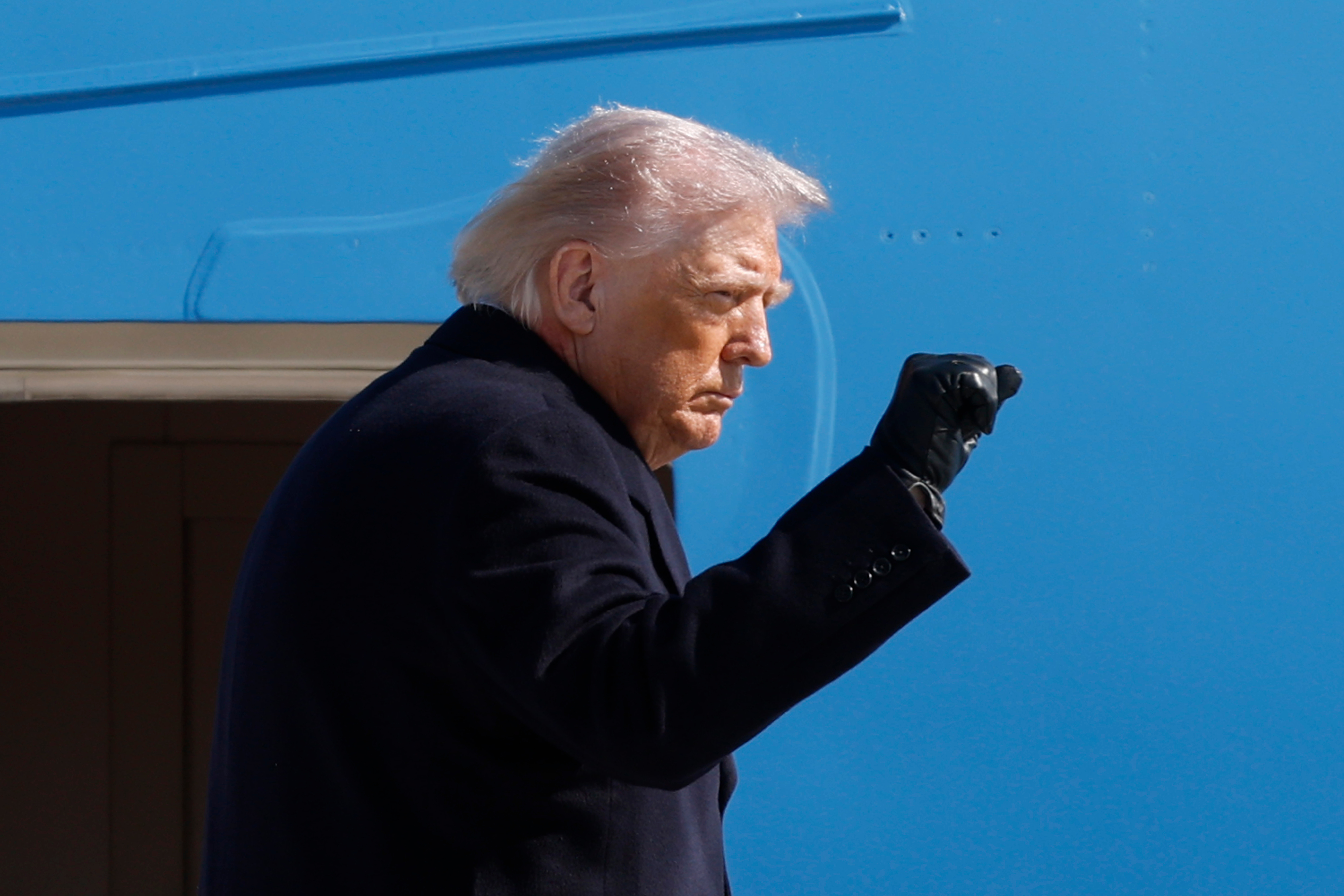
Trump says he is ‘not happy’ with the Iran nuclear talks but indicates he’ll give them more time
U.S. President Donald Trump said Friday he's "not happy" with the latest talks over Iran's nuclear program but indicated he would give negotiators more time to reach a deal to avert another war in the Middle East.
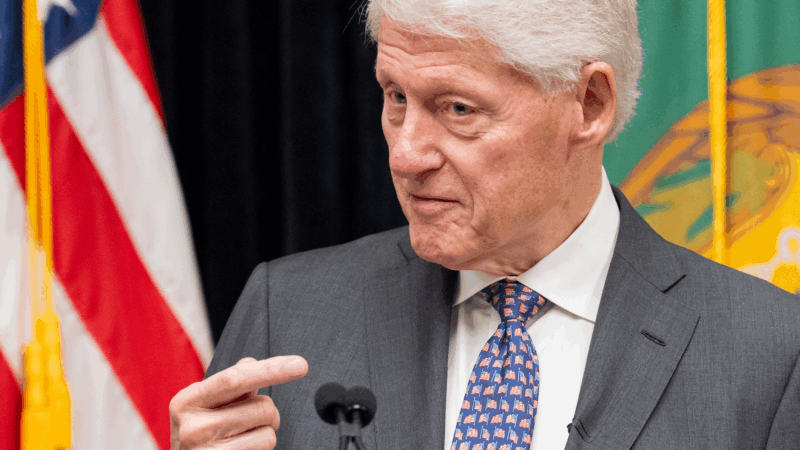
Bill Clinton says he ‘did nothing wrong’ with Epstein as he faced grilling over their relationship
Former President Bill Clinton told members of Congress on Friday that he "did nothing wrong" in his relationship with Jeffrey Epstein and saw no signs of Epstein's sexual abuse as he faced hours of grilling from lawmakers over his connections to the disgraced financier from more than two decades ago.

How the federal government is painting immigrants as criminals on social media
Experts say this kind of media campaign is unprecedented and paints a distorted picture of immigrants and crime

Pentagon puts Scouts ‘on notice’ over DEI and girl-centered policies
After threatening to sever ties with the organization formerly known as the Boy Scouts, Defense Secretary Hegseth announced a 6-month reprieve
