
Alabama sets July execution date as state resumes lethal injections after a series of problems
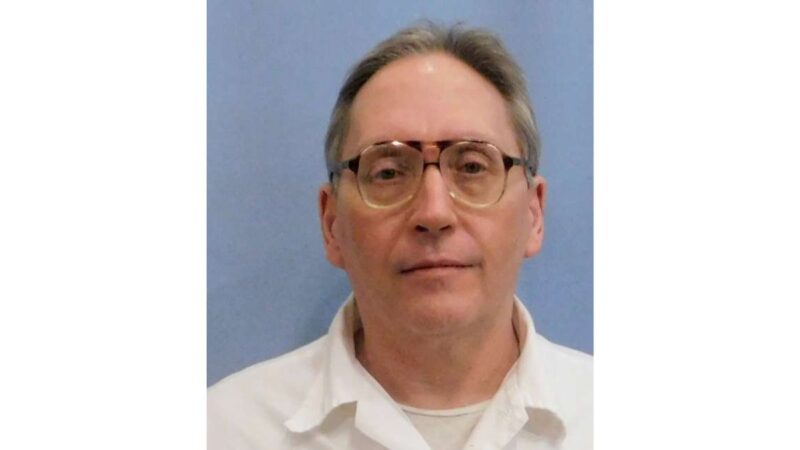
MONTGOMERY, Ala. (AP) — Alabama Gov. Kay Ivey on Tuesday set a July date for the state’s first attempt at a lethal injection following a series of troubled executions.
The governor’s office set a time frame for the execution of James Barber that will begin at midnight on July 20 and expire at 6 a.m. on July 21. The 30-hour window is designed to give the state prison system more time after two most recent executions were called off because of trouble with intravenous lines.
It is the first lethal injection scheduled in the state after Ivey paused executions last year to conduct an internal review. The review resulted in a change to do away with a midnight deadline to get the execution underway, giving the state more time to establish an intravenous line and battle last-minute legal appeals by the inmate.
Under the new procedure, the governor sets a time frame for the execution after the Alabama Supreme Court issues a death warrant. Previously, the court would issue a death warrant that was good for a single day and would automatically expire at midnight. Some inmates were granted a temporary reprieve when the state was unable to get the execution underway before midnight.
Barber was convicted of the 2001 beating death of 75-year-old Dorothy Epps. Prosecutors said Barber, a handyman who knew Epps’ daughter, confessed to killing Epps with a claw hammer and fleeing with her purse. Jurors voted 11-1 to recommend a death sentence, which a judge imposed.
Ivey in November requested a halt on executions and ordered the Alabama Department of Corrections to conduct an internal review of execution procedures after the state called off two lethal injections because of difficulties establishing IV access.
Alabama prison officials in November called off the execution of Kenneth Eugene Smith just before the midnight deadline because execution team members couldn’t find a suitable vein after about an hour of trying. The state in September called off the execution of Alan Miller after multiple attempts to access the inmate’s veins. The state in August executed Joe Nathan James, Jr. by lethal injection after a lengthy delay,
Ivey rejected calls by several groups to have an outside group, or person, conduct the review. Faith leaders and other groups cited the example of Tennessee Gov. Bill Lee, who authorized an independent review after acknowledging that the state failed to ensure its lethal injection drugs were properly tested.
Ivey announced in February that the state would resume executions. Corrections Commissioner John Hamm said then that the prison system has also added to its pool of medical professionals, ordered new equipment and conducted additional rehearsals.

U.S. and Iran to hold a third round of nuclear talks in Geneva
Iran and the United States prepared to meet Thursday in Geneva for nuclear negotiations, as America has gathered a fleet of aircraft and warships to the Middle East to pressure Tehran into a deal.

FIFA’s Infantino confident Mexico can co-host World Cup despite cartel violence
FIFA President Gianni Infantino says he has "complete confidence" in Mexico as a World Cup co-host despite days of cartel violence in the country that has left at least 70 people dead.
Supreme Court appears split in tax foreclosure case
At issue is whether a county can seize homeowners' residence for unpaid property taxes and sell the house at auction for less than the homeowners would get if they put their home on the market themselves.
Top House Dem wants Justice Department to explain missing Trump-related Epstein files
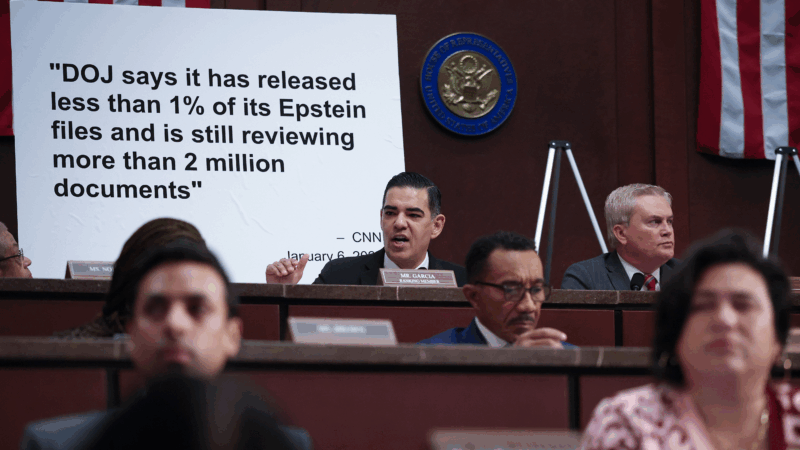
After NPR reporting revealed dozens of pages of Epstein files related to President Trump appear to be missing from the public record, a top House Democrat wants to know why.
ICE won’t be at polling places this year, a Trump DHS official promises
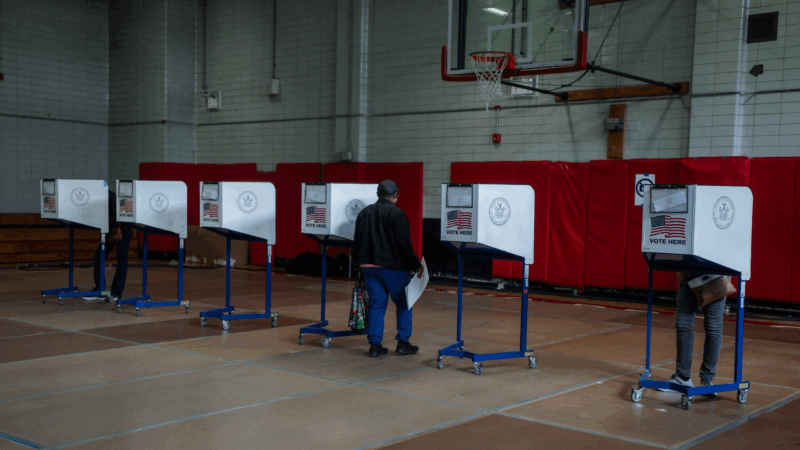
In a call with top state voting officials, a Department of Homeland Security official stated unequivocally that immigration agents would not be patrolling polling places during this year's midterms.
Cubans from US killed after speedboat opens fire on island’s troops, Havana says
Cuba says the 10 passengers on a boat that opened fire on its soldiers were armed Cubans living in the U.S. who were trying to infiltrate the island and unleash terrorism. Secretary of State Marco Rubio says the U.S. is gathering its own information.
