
UAB’s Director Of Infectious Diseases Warns Caution Around COVID-19 Vaccines In Trial
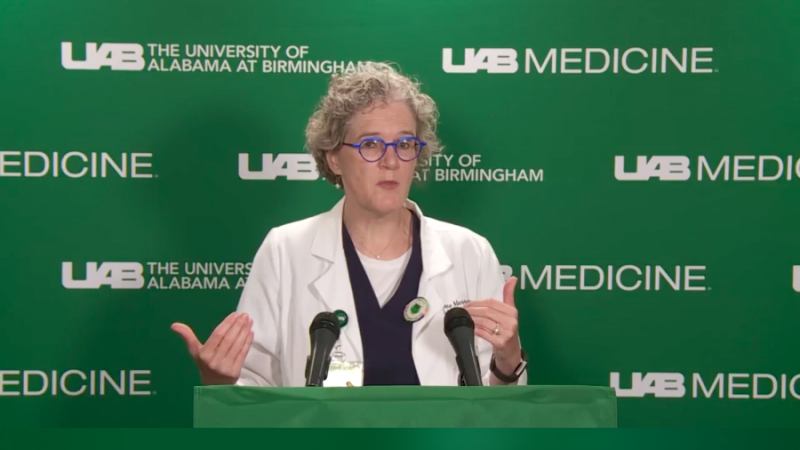
Dr. Jeanne Marrazzo speaks during a press conference September 3, 2020.
The director of infectious diseases at the University of Alabama at Birmingham says right now she would not take one of the COVID-19 vaccines currently in phase three clinical trials across the country.
During a press conference Thursday, Dr. Jeanne Marrazzo addressed the Centers for Disease Control’s announcement that a vaccine could be ready by the end of October. She said the vaccines have been fast-tracked and not much is known about their long term effects or success rates.
“Yes, I know there’s urgency, but we should not sacrifice our convenience for the rush to get a product that we just don’t know is really truly safe,” Marrazzo said. “We deserve the best. We deserve better. I mean people have been through hell with this thing.”
Efficacy trials, or better known as phase three trials, help determine if a vaccine works. In the case of COVID-19, for a phase three trial to be successful it must show that the vaccine reduces the number of actual infections in people and that participants are able to make antibodies against the virus over time.
But now, Marrazzo said, those efficacy standards may change with the release of data from a vaccine trial in the United Kingdom earlier this week.
“My big concern about this timeline that’s now out there is that not only do we not have the kind of evidence for efficacy, yet. Yet. I’m saying yet because maybe they know something I don’t know. That’s always possible,” Marrazzo said. “But do we really have confidence that we can go out there and vaccinate everybody safely without knowing the longer-term benefits or side effects of this vaccine?”
Marrazzo said she is also concerned that there is not enough information yet about long-lasting immunity to COVID-19, especially given recent reports of people being reinfected with the virus. She noted that the vaccines are based on a totally new technology.
“We have never had a messenger RNA vaccine in a human population before these trials,” Marrazzo said. “We think it’s safe, but we don’t know.”
She added that vaccines can have serious side effects. Marrazzo said phase three trials typically follow participants for at least a year, if not longer, to track possible side effects. If a vaccine is released in late October, it would have only been studied in humans for eight months – at most.
“We need iron-clad proof and assurance to the extent that anybody can get it in any vaccine study or any medical study that whatever product we make widely available to our citizens is as safe and effective as humanly possible,” Marrazzo said. “We are not there, right now. There’s no way I have seen, myself, and I know that most experts have seen enough data to feel like not only today there’s something to roll out but in seven short weeks … that there would be something to roll out.”
Marrazzo said ultimately the decision to get the vaccine is a risk-benefit analysis, but she will not get one unless it is backed by the Advisory Committee on Immunization Practices. Meanwhile, Marrazzo said she plans on volunteering for a vaccine clinical trial.
Editor’s Note: UAB holds WBHM’s broadcast license, but our news and business departments operate independently.
See the Oscars red carpet looks
Stars are arriving for the Academy Awards. The show starts at 7 p.m. ET, 4 p.m. PT on ABC and Hulu.
Selection Sunday is here. Here’s what to know ahead of March Madness
Brackets for the men's and women's NCAA basketball tournaments are set to be revealed. Duke is expected to be the men's top overall seed. The undefeated UConn Huskies will likely lead the women's.
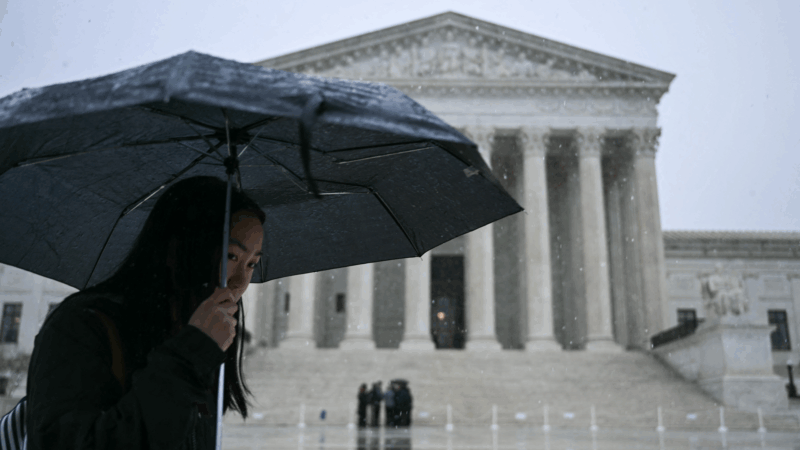
Snow and wind batter parts of US, with threat of thunderstorms and tornadoes
A broad and erratic patchwork of severe weather rumbled across much of the U.S. on Sunday, dumping heavy snow in the Upper Midwest while damaging high winds swept across the Plains.
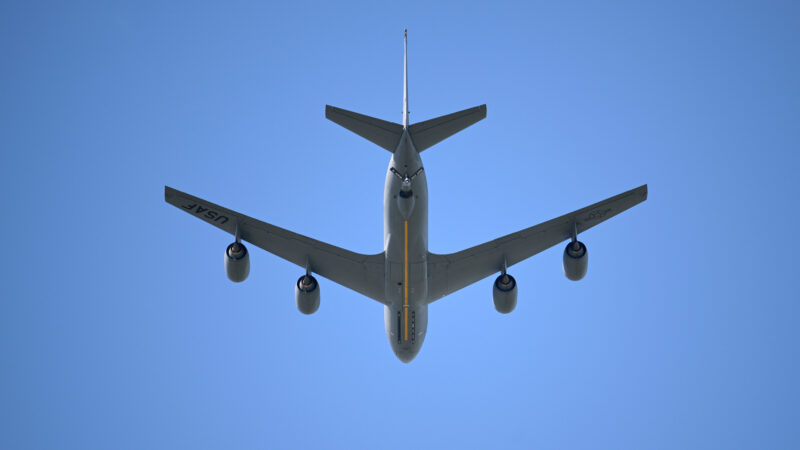
Crew of fatal US military crash included Alabama father recently deployed
The six U.S. service members who died in the crash of a U.S. military refueling aircraft included an Alabama father who had just been promoted and deployed. The U.S. government released the identities of the deceased service members Saturday.
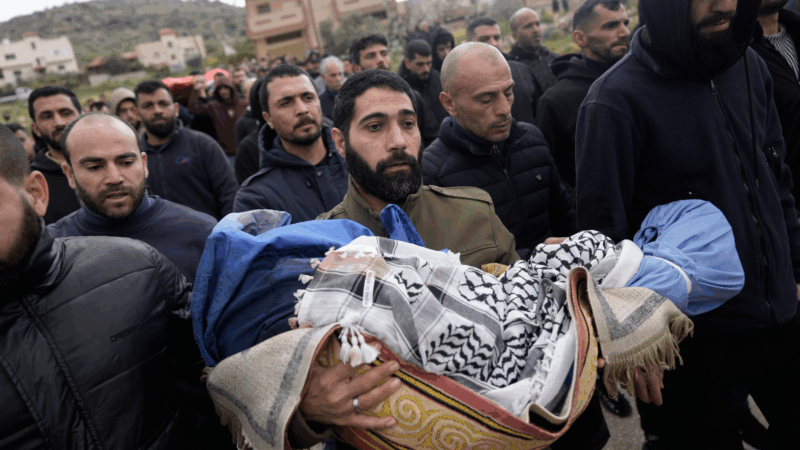
Israeli soldiers fire on family car in occupied West Bank, killing 4
Israeli soldiers fired on a car carrying a family in the northern West Bank, killing four people including two children, the Palestinian Authority's Health Ministry said.

U.S. military names six killed in plane crash as Iran war enters third week
The conflict in the Middle East has entered a third week, with Israel announcing a barrage of new strikes on western Iran on Sunday, while the U.S. defense department released the names of six service members who died when their military refueling aircraft crashed.
