
UAB Looking For A Variety Of Patients For COVID-19 Clinical Trials
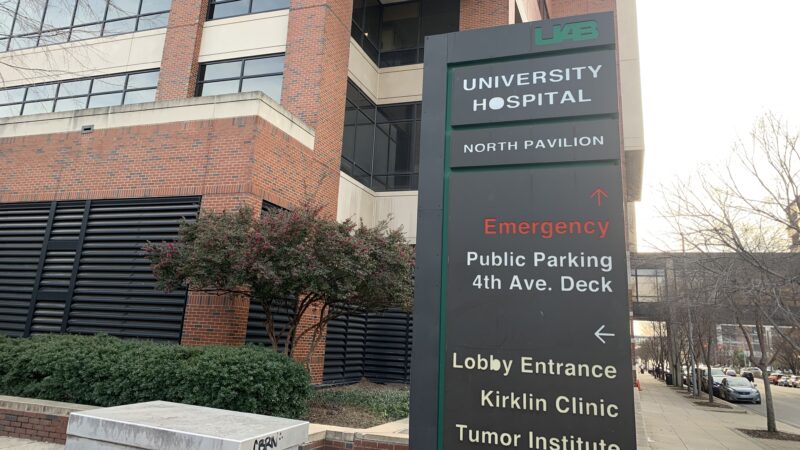
Infectious disease doctors at UAB said Tuesday they’re still looking for COVID-19 patients to join a number of clinical trials.
Currently, UAB is offering both inpatient and outpatient trials ranging from vaccines to treatments aimed at lessening the effects of the virus.
Dr. Sonya Heath, a professor of medicine in UAB’s Division of Infectious Diseases, said some of the outpatient trials could appeal to patients because they only require a single dose, four in-person visits and virtual check-ins.
One of the trials currently accepting patients involves convalescent plasma treatments, which take antibodies from recovered patients and injects them into patients who have COVID or those who have come into close contact with the virus.
“We are really asking the question: If you give high concentrations of antibody, is that beneficial in decreasing the severity of the illness and decreasing the likelihood that somebody will be hospitalized,” Heath said.
Other studies have shown that patients do better if their bodies generate an immune response to the virus.
“They have a shorter course of illness and their viral load is lower,” Heath said. “We know that generating an immune response is a good thing and decreases your symptoms and severity. Each of these studies … is looking at ways to transfer an immune response to you in some form or fashion.”
Dr. Turner Overton, from UAB’s outpatient COVID-19 clinic, says patients should enroll in clinical trials because it gives them a more heightened level of clinical care.
“We’re gaining knowledge and we have expertise here at UAB,” Overton said. “But if people sit at home and wait until they’re really sick, in the second week of illness, you know, the complications are much higher.”
UAB is looking for COVID-19 patients with varying degrees of symptoms.
Editor’s Note: UAB holds WBHM’s broadcast license but our news and business departments operate independently.
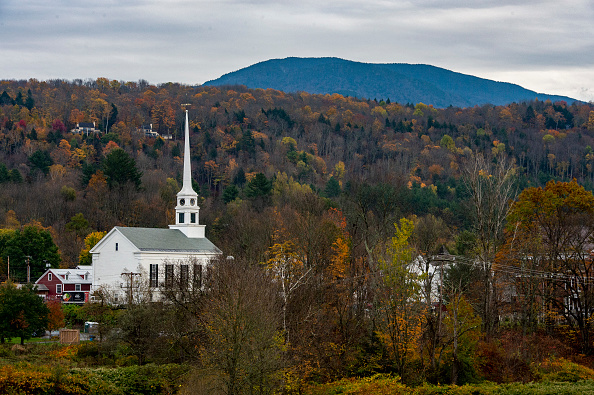
In Vermont, small town meetings grapple with debate on big issues
Typically concerned with local issues, residents at town meetings in Vermont and elsewhere increasingly use the forum to debate polarizing national and international events.

Alabama man, on death row since 1990, to get new trial
The U.S. Supreme Court on Monday declined to review the summer ruling from the 11th U.S. Circuit Court of Appeals. The decision paves the way for Michael Sockwell to receive a new trial.
Supreme Court blocks redrawing of New York congressional map, dealing a win for GOP
At issue is the mid-term redrawing of New York's 11th congressional district, including Staten Island and a small part of Brooklyn.
U.S. states take steps to guard against any potential threat from Iran
Iran has made prior attempts to launch terrorist attacks on U.S. soil, but all have been thwarted in recent years. States are bracing for a heightened threat after the war.
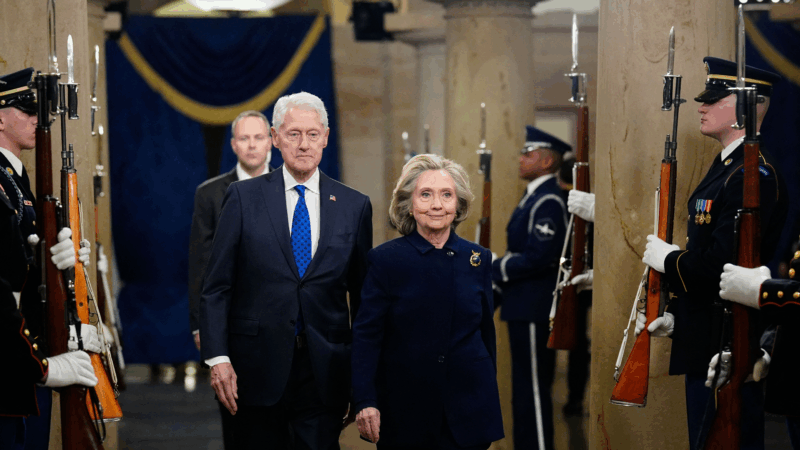
Video of Clinton depositions in Epstein investigation released by House Republicans
Over hours of testimony, the Clintons both denied knowledge of Epstein's crimes prior to his pleading guilty in 2008 to state charges in Florida for soliciting prostitution from an underage girl.

Some Middle East flights resume, but thousands of travelers are still stranded by war
Limited flights out of the Middle East resumed on Monday. But hundreds of thousands of travelers are still stranded in the region after attacks on Iran by the U.S. and Israel.
