
Voters and Experts Don’t Always See the Same Priorities for Alabama
It can be hard for elected officials to know what voters really want. A new initiative from the Public Affairs Research Council of Alabama is trying to clue them in. Alabama Priorities will roll out this year and it starts with a survey that asks both voters and experts to rank the most important issues facing the state. According to the survey, these are the top priorities.

That list doesn’t surprise Randolph Horn. He’s a political science professor at Samford University and conducted the study with PARCA.
“As you might expect most people in the state support public education,” says Horn. “Most people are concerned about healthcare. Most people want ethical politicians and safe streets.”
Horn says they didn’t see polarization either when breaking down the responses by demographics such as political ideology, gender, race or age. Most groups put similar items in their top 10.
But there were notable differences in how experts ranked some issues compared to voters.
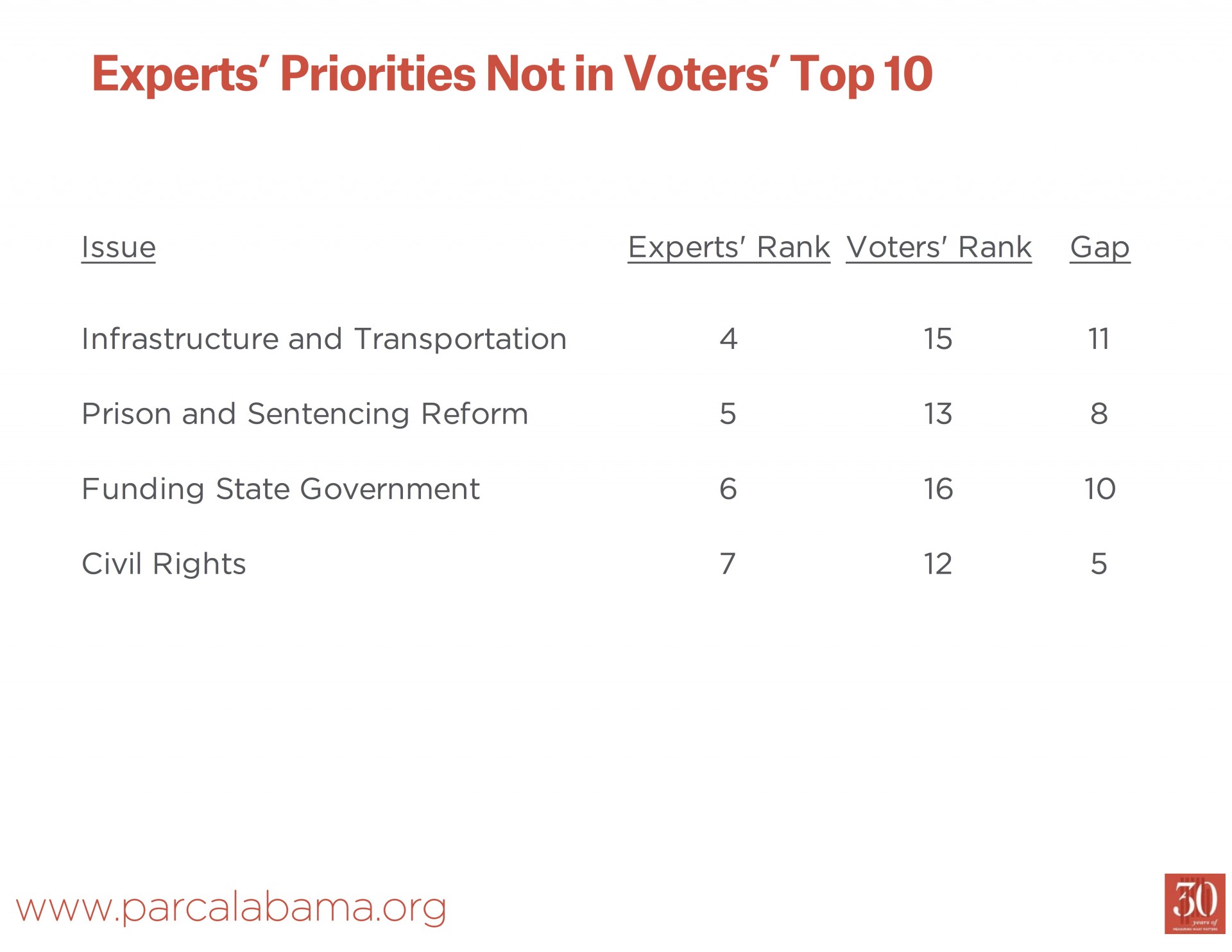 “To some extent these are sort of inside-baseball issues,” says Horn. For instance, Horn says many leaders are aware the state faces federal intervention because of overcrowding and other issues with Alabama’s prison system. “But our state prisons are literally out-of-sight and out-of-mind for most of the public.”
Meanwhile, several items were of more importance to voters than the experts.
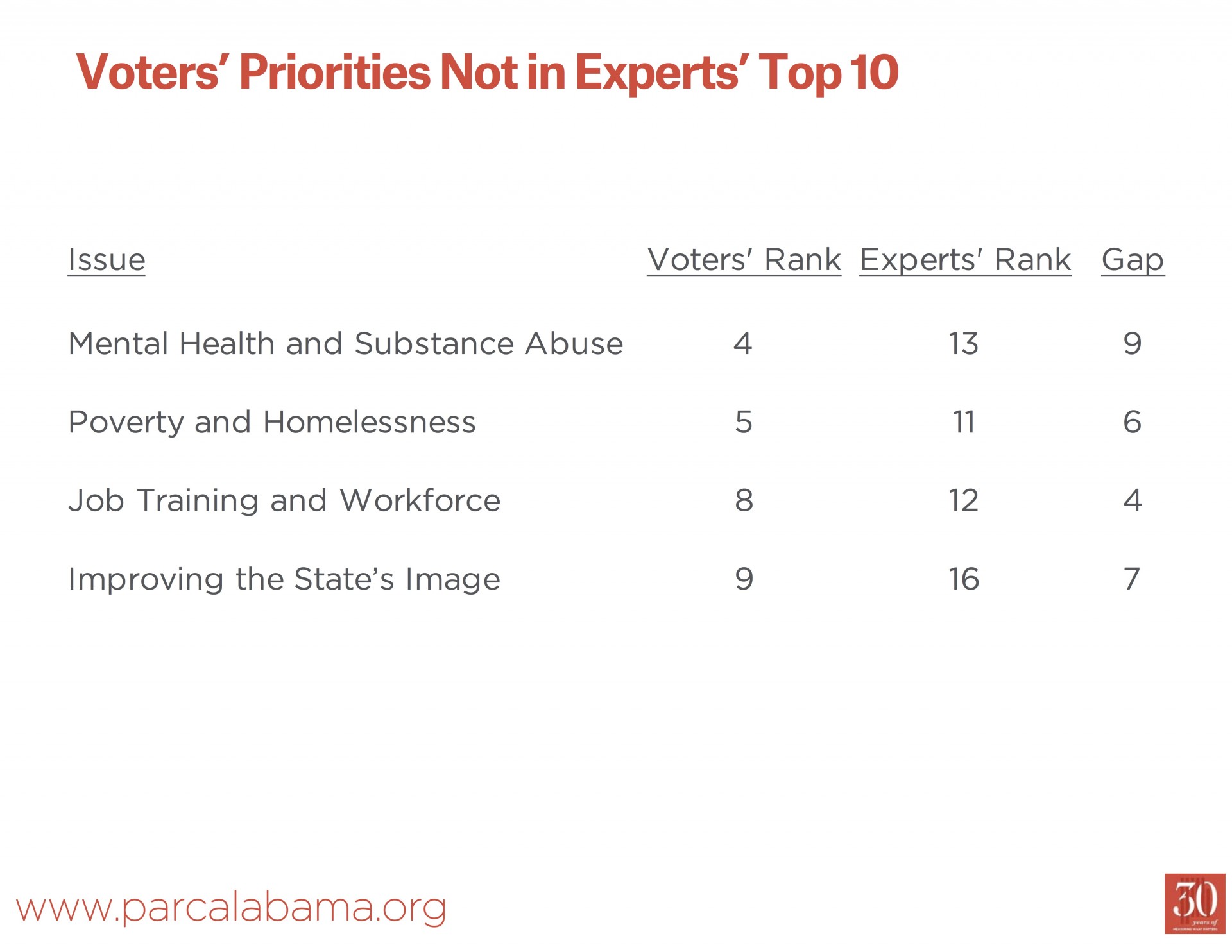
“I think most people perhaps know someone who has suffered from mental health [or] addiction and lots of people are concerned about poverty, “ says Horn. “It’s an interesting question why these things would have been lower down on the experts’ list.”
Horn suggests state leaders may be making a political calculation that these issues don’t have constituencies who will turn up at the polls in large numbers. “Maybe the politicians would push those further down,” says Horn.
That split between experts and voters provides two opportunities for state leaders Horn says.
“One is to recognize that the voters care about things and to act on those things,” says Horn.
The other is for elected officials to educate the public on issues that are important but might not be on voters’ radars.
“There’s two sides of that,” says Horn.
You can read more about PARCA’s Alabama Priorities project or see a presentation of the research from PARCA’s annual meeting earlier this month.
Prediction market trader ‘Magamyman’ made $553,000 on death of Iran’s supreme leader
It's the latest trade drawing scrutiny on the popular prediction market site for appearing to show an insider making profits on military secrets.
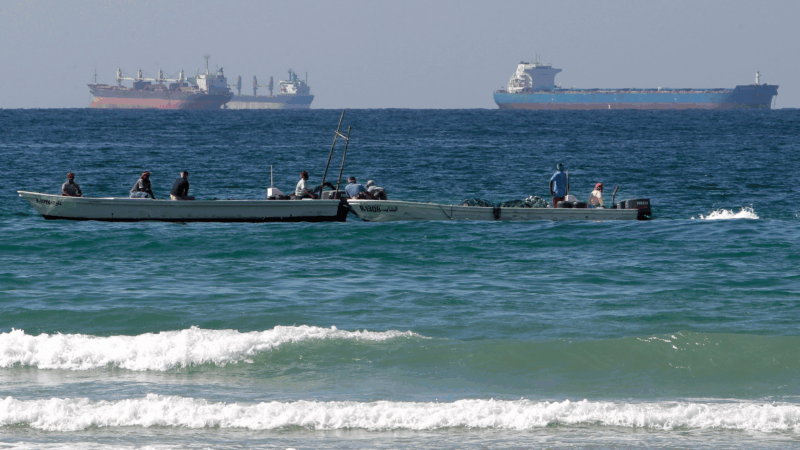
Oil prices rise sharply in market trading after attacks in Middle East disrupt supply
The high prices came as U.S. and Israeli attacks on Iran and retaliatory strikes against Israel and U.S. military installations around the Gulf sent disruptions through the global energy supply chain.
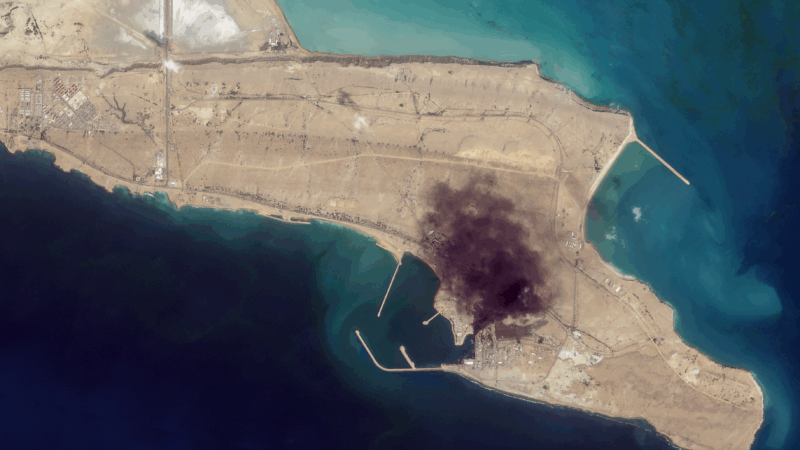
Satellite images provide view inside Iran at war
Satellite images from commercial companies show the extent of U.S. and Israeli strikes, and how Iran is responding.
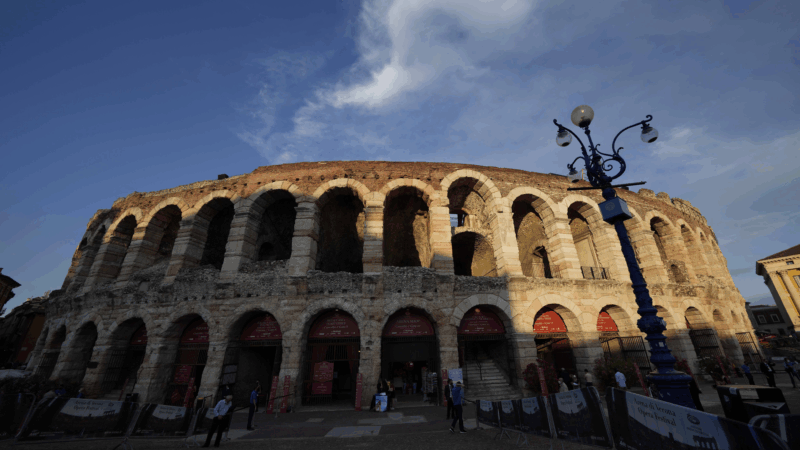
Mideast clashes breach Olympic truce as athletes gather for Winter Paralympic Games
Fighting intensified in the Middle East during the Olympic truce, in effect through March 15. Flights are being disrupted as athletes and families converge on Italy for the Winter Paralympics.

A U.S. scholarship thrills a teacher in India. Then came the soul-crushing questions
She was thrilled to become the first teacher from a government-sponsored school in India to get a Fulbright exchange award to learn from U.S. schools. People asked two questions that clouded her joy.
Sunday Puzzle: Sandwiched
NPR's Ayesha Rascoe plays the puzzle with WXXI listener Jonathan Black and Weekend Edition Puzzlemaster Will Shortz.
