
Trump Plan Would Open Most US Waters to Drilling, Including Gulf
The Trump administration on Thursday announced a proposal to significantly expand offshore oil and gas drilling. The draft plan would allow new offshore drilling in more than 90 percent of U.S. waters, including the Gulf of Mexico. The administration would also offer a record number of leases to energy firms.
The proposal would allow new drilling and exploration in the Gulf, and off Alaska and the east and west coasts. It would offer 47 leases from 2019 to 2024. U.S. Secretary of the Interior Ryan Zinke says Obama-era restrictions are costing the nation billions of dollars in needed revenue.
“This is the largest number of lease sales ever proposed,” he says. “The Obama Administration had 11 lease sales, so this is a clear difference between energy weakness and energy dominance.”
The draft proposal includes 12 lease sales in the Gulf, where there’s already oil and gas infrastructure. It would be the first time since the 1980s that most of the eastern Gulf would be open for drilling. In places where no wells or other infrastructure exist, extraction would be years if not decades away.
Finalizing the plan could take a year and a half. Environmental groups and some state governors are likely to challenge it in court. Thursday’s announcement did not mention climate change or the Gulf oil spill of 2010.
Below are excerpts from Secretary Zinke’s Thursday press conference.
Claiming More Contrast
“[Under Obama], responsible energy development took a backseat to special interest groups. If you look at the previous administration, it took offline 94 percent of the Outer Continental Shelf and made it off limits for energy exploration, development, and seismic [study]. So we lost $15 billion of revenue a year. Today it’s a lot different. We are standing as the leading oil and gas producer. It is likely we’re going to be a major exporter of liquid natural gas.”
Drilling Benefits to National Parks
“On scale, a loss of $15 billion a year would have addressed the entirety of the backlog of our national parks and given us money to reinvest in our national public lands where we need it. And certainly those that have been out and looked at our parks, they are being loved to death.”
The U.S. is Better
“It is better for the environment to produce energy here under reasonable regulation. Nobody is better at producing clean, quality, responsible energy than the United States. If you want to take a look at some of our allies in Africa and the Middle East — and certainly as a former Navy SEAL commander I’ve spent a lot of time in the Middle East — I can tell you how not to produce energy, and you’ll find that in parts of Africa and the Middle East.”
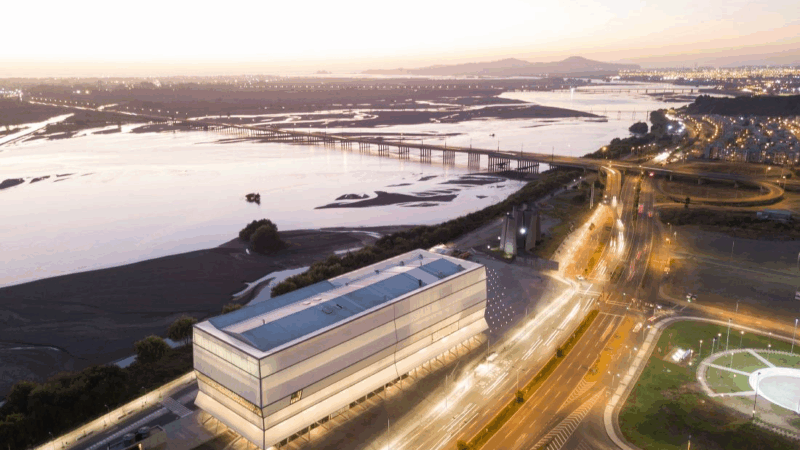
Chilean Smiljan Radić Clarke wins architecture’s highest honor
The Pritzker Prize was awarded Thursday. "In every work, he is able to answer with radical originality, making the unobvious obvious," said fellow Chilean architect and prize chair Alejandro Aravena.
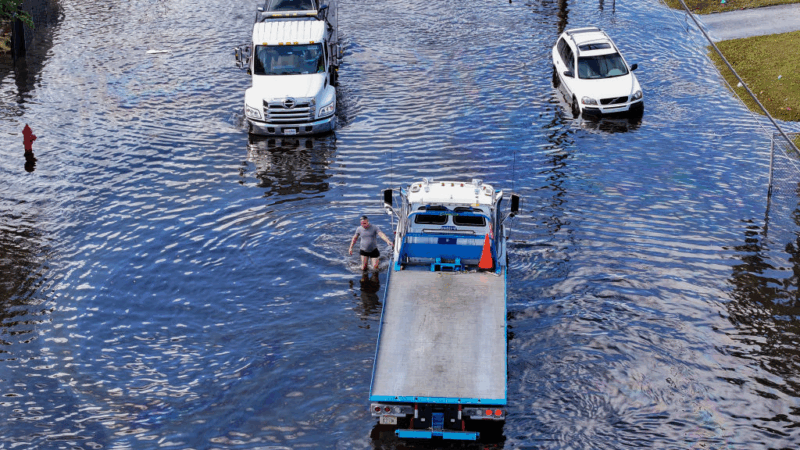
El Niño is set to take hold this summer, driving up global temperatures
A potentially strong El Niño weather pattern will likely emerge this summer and persist through the rest of the year. The hottest years on record generally occur in years when El Niño is active.
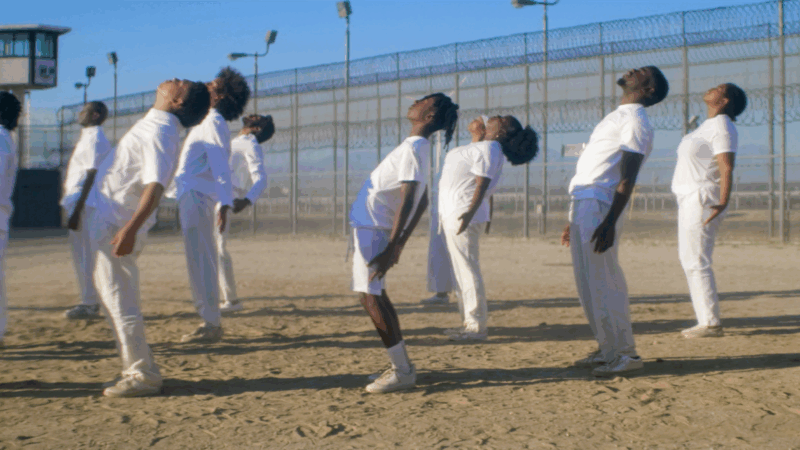
‘Songs from the Hole’: The story behind JJ’88’s documentary and visual album
The visual album and documentary Songs from the Hole tells the story of James Jacobs, the hip-hop artist JJ'88, as he reflects on his coming-of-age within California's state prison system.
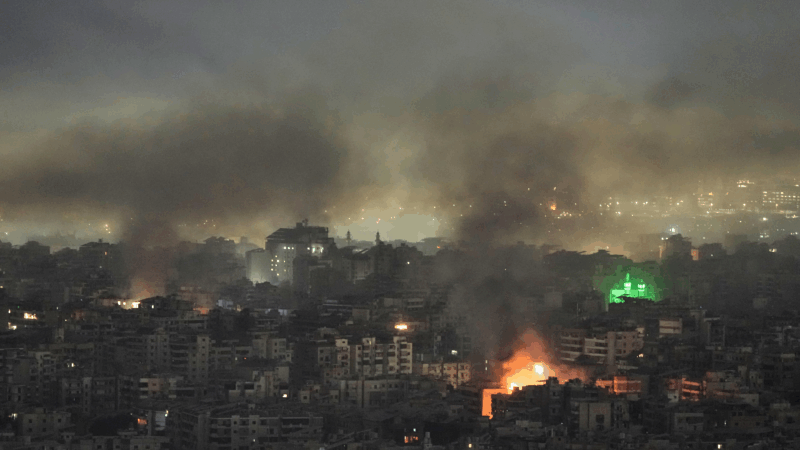
Oil price surges as Iran steps up attacks on ships in the Persian Gulf
Markets seesawed on Day 13 of the war in the Middle East, as two oil tankers were struck by projectiles near Iraq's southern ports and attacks between Israel and Hezbollah intensified.
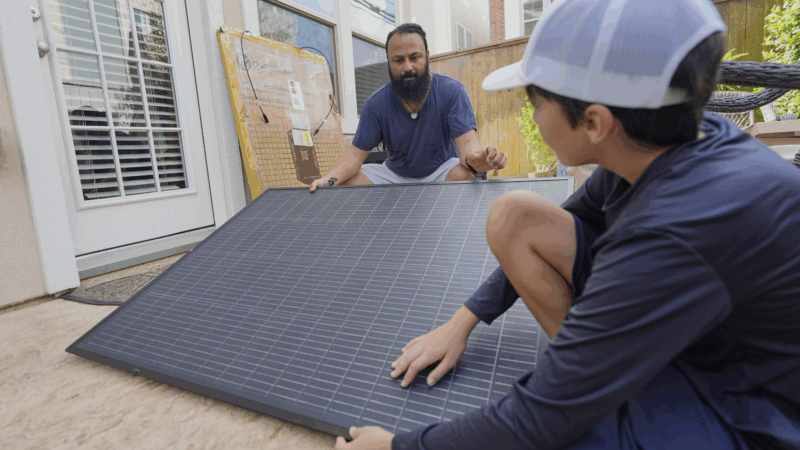
Easy-to-use solar panels are coming, but utilities are trying to delay them
Utilities are convincing lawmakers around the U.S. to delay bills that would allow people to buy solar panels, plug them into an outlet and begin generating electricity.
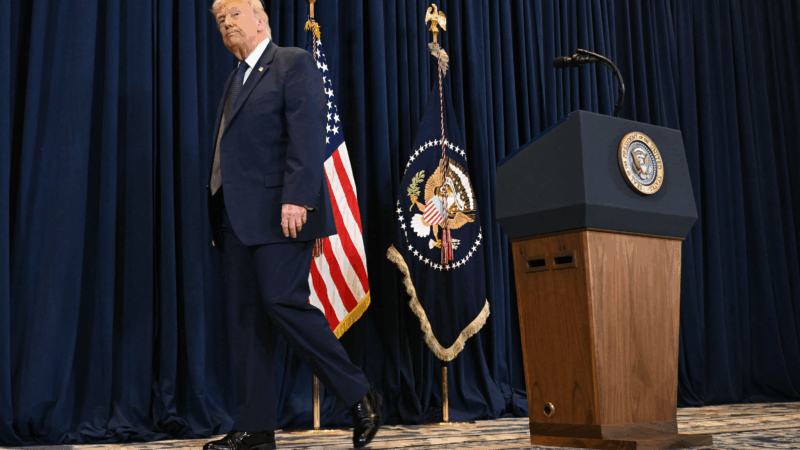
Trump’s war with Iran is angering some swing voters who want money spent at home
Swing voters who helped reelect President Trump in 2024 don't support his decision to go to war in Iran and instead want to see U.S. tax dollars spent tackling economic pressures facing Americans.
