
From Poverty to Potholes, Frank Matthews Wants to Fix the City
Frank Matthews grew up in Cleveland and spent much of his teen and young adult life in and out of jail. He committed robberies, burglaries, assault, and forgery. But after his final release from prison in 1989, he turned over a new leaf. He got married and moved to Birmingham where he’s run businesses, preached, worked for city leaders and taken on issues like crime and gang violence.
Matthews tells WBHM’s Sherrel Wheeler Stewart how he plans to tackle everything from potholes to poverty.
When you came here in 1989 you often wore army boots and camouflage, and your chief mission at that point was to help the city combat the problem with gangs and violence. There still are some obvious issues with violence and crime in our city. What are your thoughts on that?
This mayor will travel to 14 correctional facilities throughout Alabama. I will meet face to face with each individual convict within six months of being released into my community. I will tell them, “Look, this is what you need to do because me being a former convict, this is what’s going to happen to you in prison. But if you’re fortunate enough to make it back out within my administration, we will meet you at the back gate.” Give them a home plan and give them a job plan, get them some mental illness testing because so many people close to them have died while they are incarcerated.
They have nobody, they have nothing. And that’s again a sure recipe. And a majority of your crime in Birmingham is committed by repeat offenders. So it’s not a panacea, but it is the greatest thing that I can do as mayor to deal with crime.
Now I can talk that stuff about bringing in whole lot of police and all, but the police react to crime. What I’m doing is preventing crime.
What has prompted you to go from being that person who tackles issues with gang violence and safety to this person who’s now running for mayor of Birmingham?
I’m not running against anybody, I’m running against poverty because poverty is the number one enemy of humanity. From 43 billion to six or seven billion dollars has come to the city for the last 40 years, but yet poverty has stayed the same. You have 235,000 people in the city. Seventy-four percent are black people. But yet, 37.1 percent live below poverty. And if you can’t knock a hole in poverty, you’re going to have a lot of the issues that you have and breaking out through the city.
You’ve been a radio talk show host. You know you’ve been an activist. What do you have to make this change?
Well, one of the greatest things I have is experience. I’ve served five mayors, and I know the good and bad and ugly of all those mayors. That’s just an empirical understanding that one has. And so one of the things I came up with to help to deal with poverty, and that’s why my motto is it’s time to share the economic wealth. I have a $40 million plan I will implement because the lifeblood of any city is small business, and small businesses get a bad handshake. So I’m going to set what’s called the Mayors Office of Small Business Stimulus where we will set aside $10 million dollars each year for up to 200 small businesses that get $50,000 to address some emergency needs that they might have.
What do you have to make it happen?
I made it happen, as you alluded to, being co-director of the Mayors Office the Citizens Assistance and my job was there was to get more bang for our buck from the department heads for our citizens. Being mayor, I can bang it and make more things happen. Like for instance, a lot of us use unnecessary gas and we wear out tires because of bad streets. That’s a cost to you. As mayor, I will stop this racket where some mayors have used their buddy’s contractors that paved streets and they paved streets in the rain. Then they would come back and do it again and get paid again. Now we’re going to pull 90 percent of the paving back into public works, and public works will do it where it cuts out that middle man. We have better streets and we’ll understand and realize a cost saving.
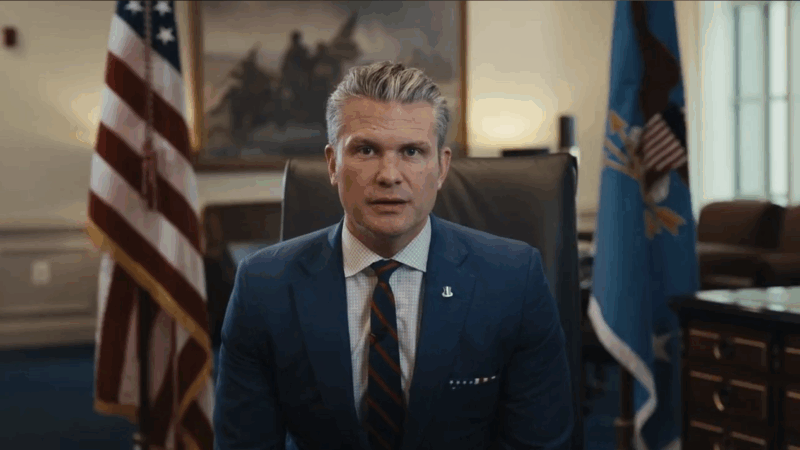
Pentagon puts Scouts ‘on notice’ over DEI and girl-centered policies
After threatening to sever ties with the organization formerly known as the Boy Scouts, Defense Secretary Hegseth announced a 6-month reprieve

President Trump bans Anthropic from use in government systems
Trump called the AI lab a "RADICAL LEFT, WOKE COMPANY" in a social media post. The Pentagon also ordered all military contractors to stop doing business with Anthropic.
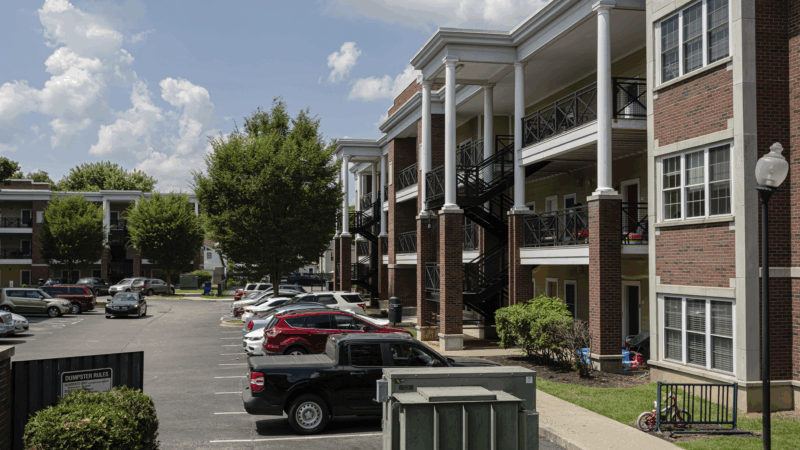
HUD proposes time limits and work requirements for rental aid
The rule would allow housing agencies and landlords to impose such requirements "to encourage self-sufficiency." Critics say most who can work already do, but their wages are low.
Paramount and Warner Bros’ deal is about merging studios, and a whole lot more
The nearly $111 billion marriage would unite Paramount and Warner film studios, streamers and television properties — including CNN — under the control of the wealthy Ellison family.
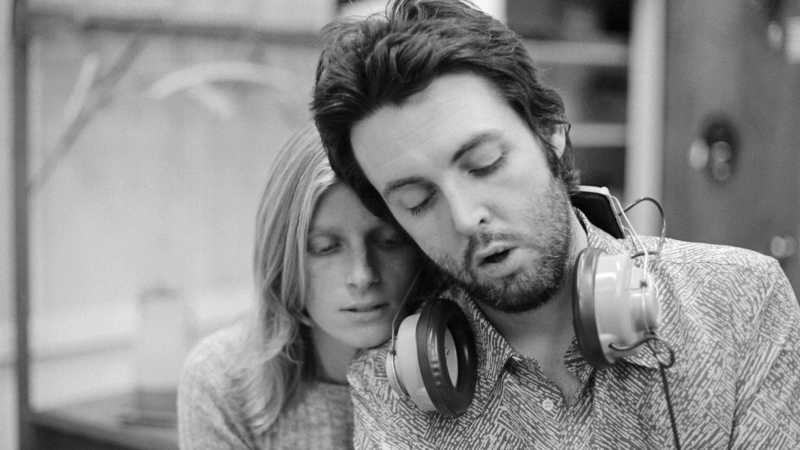
A new film follows Paul McCartney’s 2nd act after The Beatles’ breakup
While previous documentaries captured the frenzy of Beatlemania, Man on the Run focuses on McCartney in the years between the band's breakup and John Lennon's death.
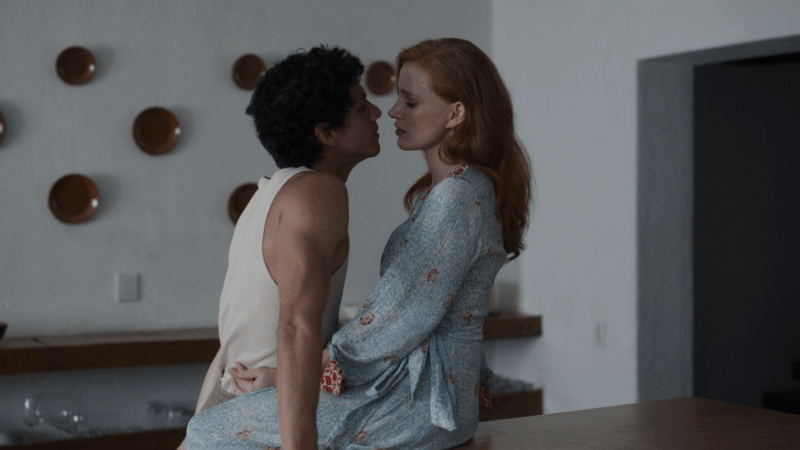
An aspiring dancer. A wealthy benefactor. And ‘Dreams’ turned to nightmare
A new psychological drama from Mexican filmmaker Michel Franco centers on the torrid affair between a wealthy San Francisco philanthropist and an undocumented immigrant who aspires to be a dancer.
