
U.S. Marshal Talks Crime, Collaboration and Change
You probably remember westerns where with U.S. Marshals ride into town and take on criminals. Well in real life in North Central Alabama, it’s U.S. Marshal Marty Keely who leads the team capturing federal criminals and works through a regional task force to fight crime. As part of our series on crime in Birmingham Keely spoke with WBHM’s Sherrel Wheeler Stewart, about his office, the Gulf Coast Regional Fugitive Task Force and law enforcement collaboration.
Scope of Crime Fighting and Criminal Apprehension
“We’re going after the most violent offenders. The majority of individuals we will apprehend will be state and local fugitives. The type of individuals that we would be interested in would be the type of people that commit the crime of murder for example, robbery, rape — serious crimes, sex crimes, offenses of that type. We do a great deal of work in the area of gangs, not national gangs necessarily. Recently we had a rash of car burglaries, and we had a death in Hoover that everybody knows about, when the gentleman was coming out of his home to go exercise and was killed. That was local gang related.”
Local Gangs Exist
“We see the presence of local groups, gangs that come together loosely formed. Some are more organized than others. We have skilled police officers that are educated, they are professional, they are trained and they have the best equipment. They are equipped to deal with the crime today whether it’s a group of individuals or one individual.”
Collaboration With Other Law Enforcement Agencies
“The partner agencies assign a deputy or an officer or two to the task force. We have Birmingham police officers, Jefferson County sheriff deputies, Shelby County deputies on the task force. They are deputized as Special U.S. Deputy Marshals. That would give our state and local partner federal arrest power.”
Greatest Challenge in Fighting Crime
“We have to find a way to divert the youth of this community away from behaviors that leads to crime. We see so much crime today involving young people who don’t have a role model. Youths are going to follow a positive role model or they are going to follow a negative role model.”
Changes Over the Years
“I’ve seen dramatic change in the technology that is out there today available to law enforcement. The offenders are more violent today than they were when I started. More people out there are involved crime. But Law enforcement is better today – better educated, better trained, better equipment in dealing with the issues that we face.”

AI brings Supreme Court decisions to life
Like it or not, the justices are about to see AI versions of themselves, speaking words that they spoke in court but that were not heard contemporaneously by anyone except those in the courtroom.

The airspace around El Paso is open again. Why it closed is in dispute
The Federal Aviation Administration abruptly closed the airspace around El Paso, only to reopen it hours later. The bizarre episode pointed to a lack of coordination between the FAA and the Pentagon.
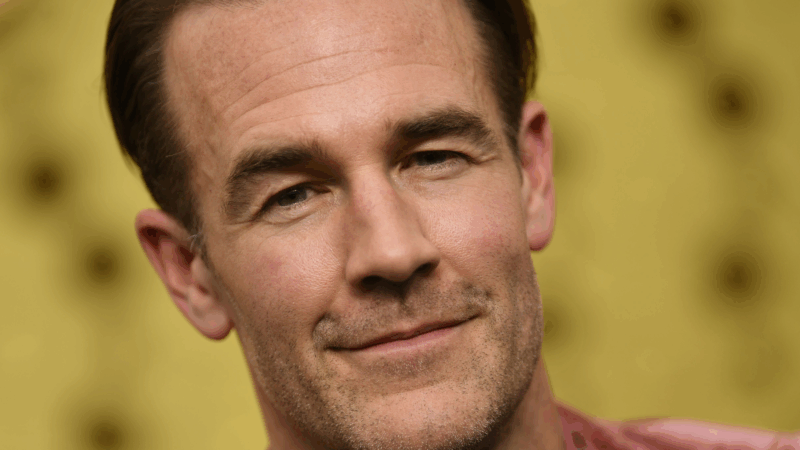
‘Dawson’s Creek’ star James Van Der Beek has died at 48
Van Der Beek played Dawson Leery on the hit show Dawson's Creek. He announced his colon cancer diagnosis in 2024.
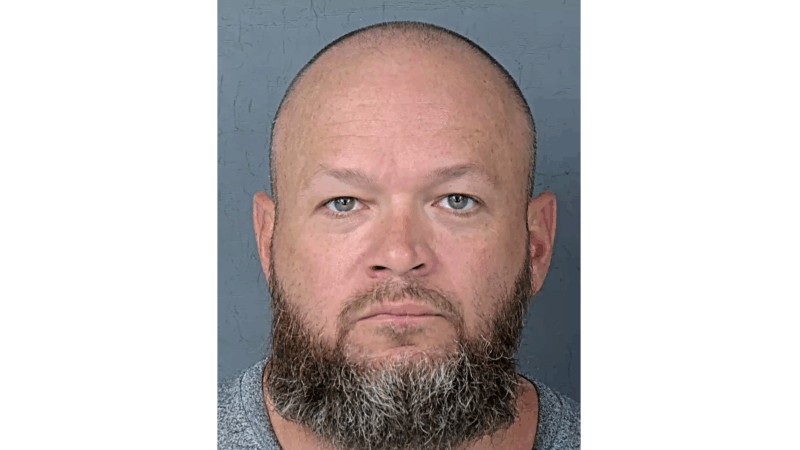
A Jan. 6 rioter pardoned by Trump was convicted of sexually abusing children
A handyman from Florida who received a pardon from President Trump for storming the U.S. Capitol on Jan. 6, 2021, was convicted on state charges of child sex abuse and exposing himself to a child.
A country-pop newcomer’s debut is your reinvention album of 2026
August Ponthier's Everywhere Isn't Texas is as much a fully realized introduction as a complete revival. Its an existential debut that asks: How, exactly, does the artist fit in here?
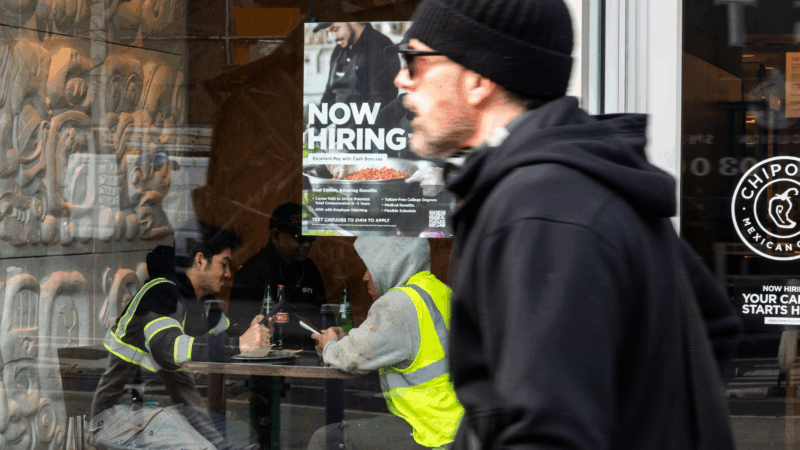
U.S. unexpectedly adds 130,000 jobs in January after a weak 2025
U.S. employers added 130,000 jobs in January as the unemployment rate dipped to 4.3% from 4.4% in December. Annual revisions show that job growth last year was far weaker than initially reported.
