
NAACP Files Lawsuit over Law Blocking Birmingham Minimum Wage
The NAACP filed a federal lawsuit Thursday contending a law that blocked a minimum wage increase in Birmingham is racially motivated. The suit names Alabama Governor Robert Bentley and Attorney General Luther Strange. Plaintiffs include Greater Birmingham Ministries and two fast-food workers.
The State of Alabama has no minimum wage, relying instead on the federal floor of $7.25 an hour. So the Birmingham City Council passed an ordinance raising the city’s minimum wage to $10.10. But in February the legislature passed and the governor signed a bill that says only the state can set minimum wages, effectively nullifying Birmingham’s action.
The suit contents a majority-white legislature is blocking the will of a majority-black council and city. It also says the law disproportionately affects African-Americans because they would be more likely to benefit from a wage increase.
The law does not specifically mention Birmingham and applies statewide. Still, attorney Penda Hair says there doesn’t need to be a smoking gun to prove racial motivation.
“You don’t have to have a confession that ‘I’m doing this in order to hurt people of color.’ You look at all the factors,” says Hair.
Greater Birmingham Ministries Executive Director Scott Douglas says the law prevents a sincere effort to promote the prosperity of the city.
“[The city’s] motto is ‘the people are the city,'” says Douglas. “The legislature must think Birmingham is an uppity city and they’re making a joke of that motto.”
The suit does not seek monetary damages. Instead it calls on the court to block the state law so the local minimum wage can go into effect.
A statement from Alabama Attorney General Luther Strange says the lawsuit is really about a dispute between the Birmingham City Council and the state legislature, but he says his office will vigorously defend the law. The governor’s office did not immediately respond for comment.
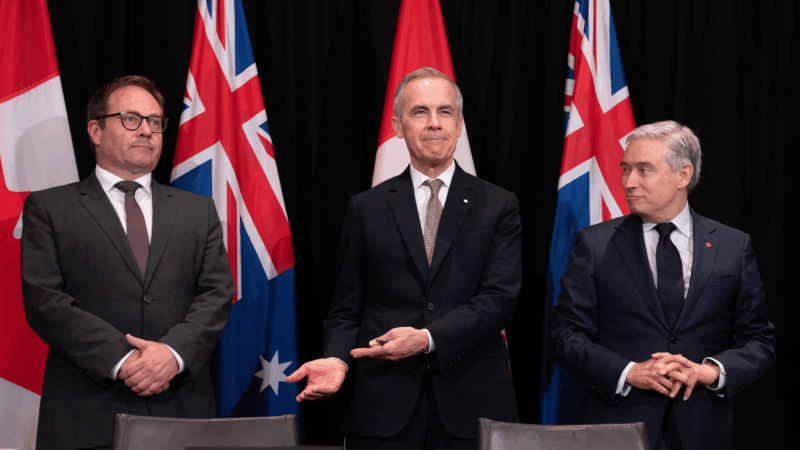
Carney says he backs strikes on Iran ‘with some regret’ as world order frays
Canadian Prime Minister Mark Carney says he supports the strikes on Iran "with some regret" as they represent an extreme example of a rupturing world order.
Iranian civilians are now fleeing the relentless bombing for neighboring Turkey
As the U.S. military broadens its strikes in Iran, traumatized Iranians are reaching the border with Turkey.
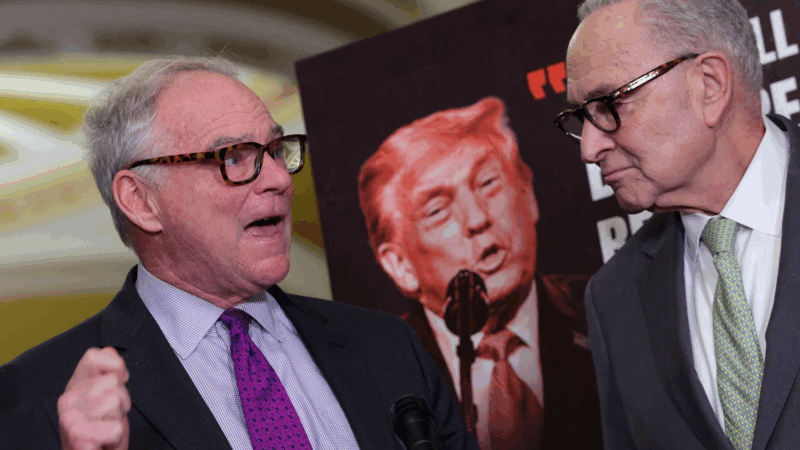
A split Senate votes against measure to constrain Trump’s authorities in Iran
Democrats in the Senate were facing an uphill climb Wednesday in their push to restrain President Trump's ability to wage war against Iran.
WATCH: How traffic dried up in the Strait of Hormuz since the Iran war began
The effective closure of the Strait of Hormuz is "about as wrong as things could go" for global oil markets. Iran achieved it not with a naval blockade, but with cheap drones.
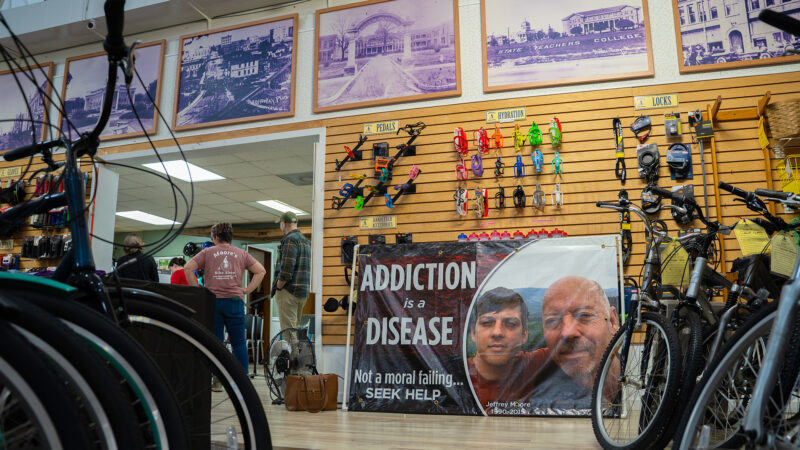
As Mississippi waits to spend opioid settlement funds, children and families suffer
Mississippi will receive more than $400M to fight the opioid epidemic. So far, officials haven't directed it toward programs that support addiction recovery.
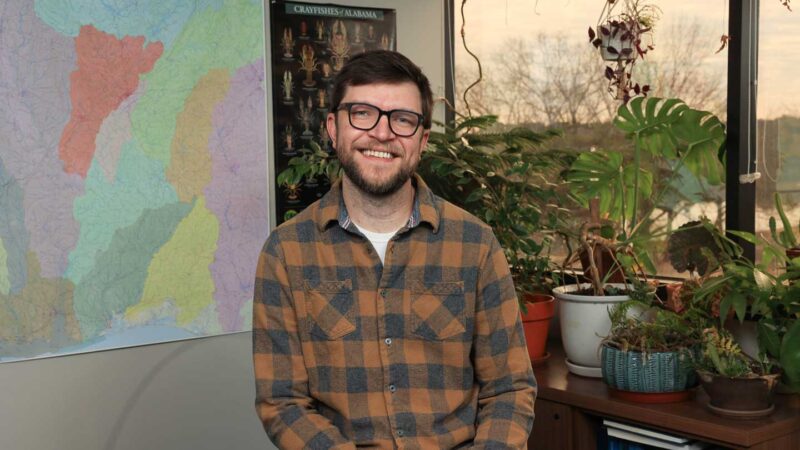
Alabama’s new state climatologist takes the reins
The controversial John Christy is retiring as Alabama’s state climatologist. Lee Ellenburg now assumes the role and is already making a few changes, including declaring that climate change is real and caused by humans.
