
Judge in Jefferson County Rules Alabama’s Death Penalty Statute Unconstitutional
In January, the U.S. Supreme Court ruled in Hurst v. Florida that Florida’s death penalty statute was unconstitutional. Alabama and Delaware are the only other states with similar statutes that require a judge – not a jury – to make the final decision about life or death in a capital case. It’s called judicial override. Attorney General Luther Strange has held that the Supreme Court ruling does not apply to Alabama. But Thursday one judge trying a murder case in Jefferson County disagreed. She ruled that Alabama’s capital murder sentencing scheme is unconstitutional, just like Florida’s. WBHM’s Ashley Cleek spoke with Judge Tracie Todd about her ruling.
Why She Made the Decision
“The problem with Alabama’s sentencing scheme is that it takes the decision from the jury and gives it to the judge,” says Todd. “Although the jury makes the recommendation as to life or death, the judge is the final decider. In Alabama, it is very arbitrary to apply the capital sentencing scheme in one way in one case, and in another way in another case,” Todd adds. “That occurs when you have different judges making a decision based on information that may or may not have been considered by a jury of one’s peers.”
What Does it Mean for Her Current Case?
Todd is presiding over the case of four men charged for three murders. Todd says the death penalty is now off the table.
“The state will not be able to seek the death penalty. I am sure the state, if it decides to, will challenge my ruling,” says Todd. “It will go up to the appellate courts, and it will go from there. If they affirm my ruling, then the death penalty statute of Alabama is unconstitutional. If they reverse my ruling, then someone will probably take it up to the U.S. Supreme Court, and we’ll see what happens.”
On “Legislating from the Bench” Claims
Todd says she doesn’t see Thursdays decision as legislating from the bench.
“I didn’t change a law. I just ruled that the [U.S.] Constitution and the ruling in Hurst applies to Alabama,” Todd says. “For me to legislate from the bench, that means that I would take the law as it is written and do something else, and that’s not what I am doing.”
“Whether you have a personal bias or you’re a proponent for the death penalty is not at issue here, in my opinion,” comments Todd, who points out she has imposed the death penalty in the past.
“It doesn’t matter whether I believe it personally should exist morally or legally, it exists. It is a part of our law, that is not the question,” Todd says. “As far as it being about override…death, which is a final judgment, final in the fact that life is gone, should be left with the jury, per the Sixth Amendment,” says Todd. “To take a portion of that (decision) from he jury and give it to a judge who hears information that was never presented to the jury, that can make a decision on new information, and who may have an incentive to impose the death penalty because of pressures from the community, is unconstitutional.
Judge Tracie Todd’s Ruling on Alabama Death Penalty Statute by WBHM News

Parents, are you sure your kid’s car seat is installed right? Here’s how to know
In this visual guide, certified car seat experts walk through common installation mistakes and how to fix them. Learn what a secure car seat base and a tightly fastened tether look like and more.

Trump announces ‘major combat operations’ in Iran
Israel and the U.S. have launched strikes against Iran, with explosions reported in Tehran and air raid sirens sounding across Israel.
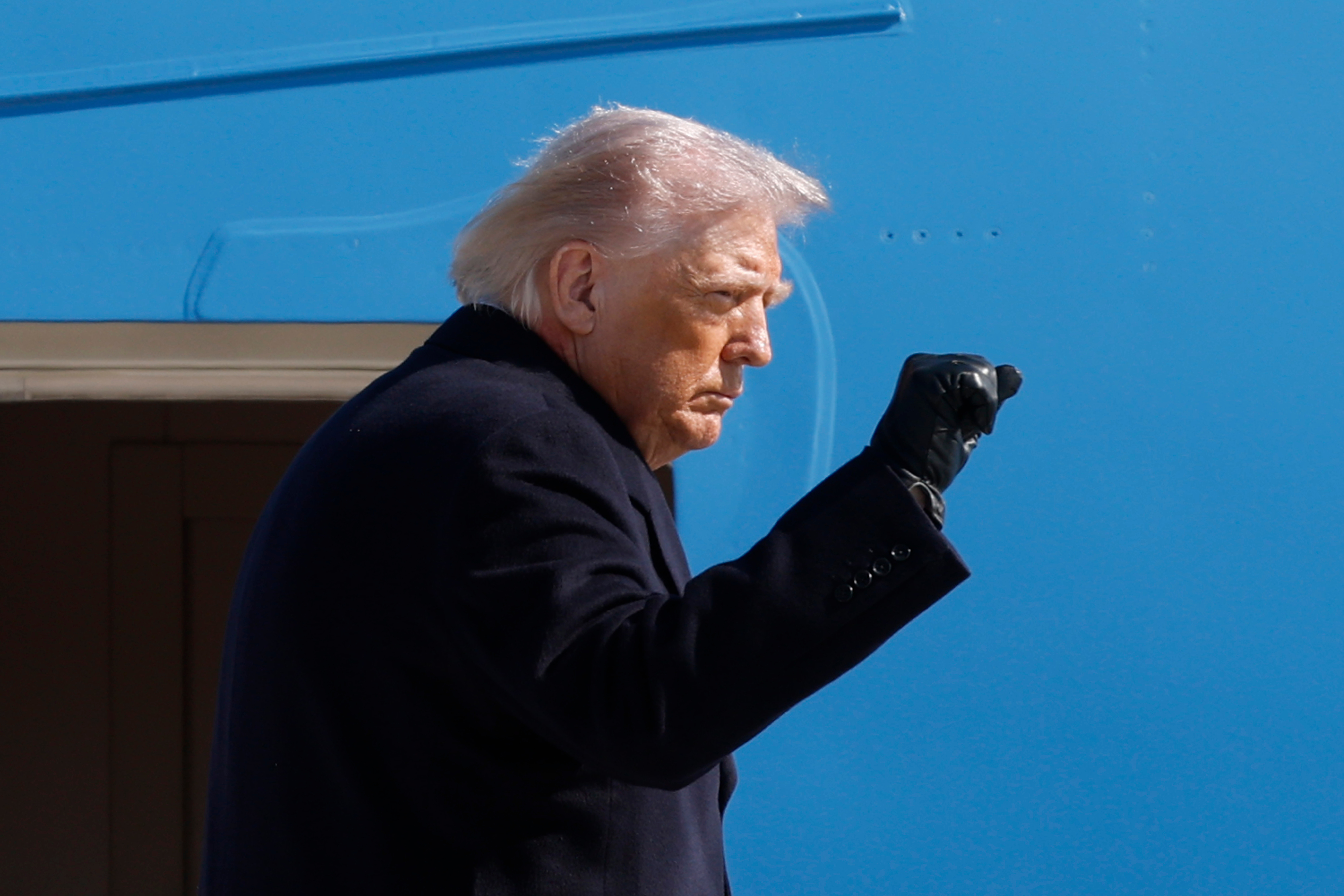
Trump says he is ‘not happy’ with the Iran nuclear talks but indicates he’ll give them more time
U.S. President Donald Trump said Friday he's "not happy" with the latest talks over Iran's nuclear program but indicated he would give negotiators more time to reach a deal to avert another war in the Middle East.
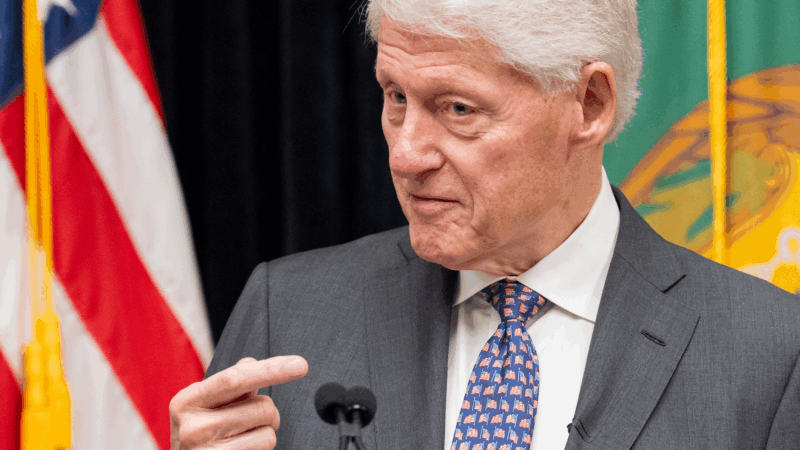
Bill Clinton says he ‘did nothing wrong’ with Epstein as he faced grilling over their relationship
Former President Bill Clinton told members of Congress on Friday that he "did nothing wrong" in his relationship with Jeffrey Epstein and saw no signs of Epstein's sexual abuse as he faced hours of grilling from lawmakers over his connections to the disgraced financier from more than two decades ago.
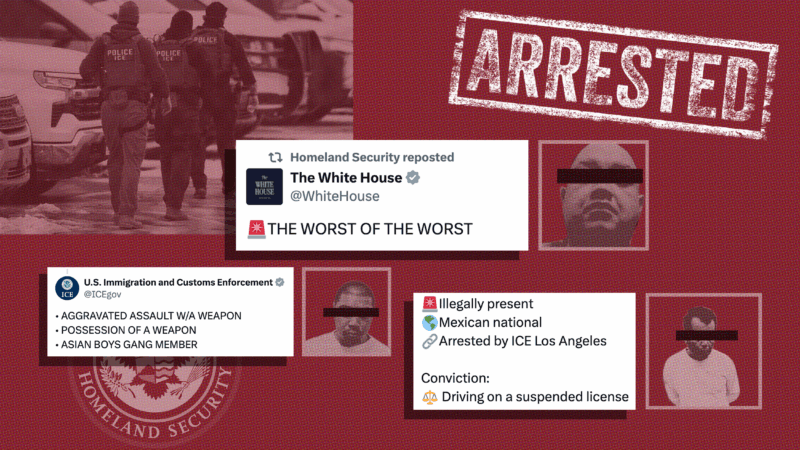
How the federal government is painting immigrants as criminals on social media
Experts say this kind of media campaign is unprecedented and paints a distorted picture of immigrants and crime

Pentagon puts Scouts ‘on notice’ over DEI and girl-centered policies
After threatening to sever ties with the organization formerly known as the Boy Scouts, Defense Secretary Hegseth announced a 6-month reprieve
