
Crime in Greater Birmingham: Targeting the Violence
Violence has been a constant in Joshua Deloach’s life. He saw his first dead body at seven while visiting his grandma. He went outside to play and saw it laying by the dumpster. The day he graduated middle school, he says a bullet grazed his head.
Deloach grew up in housing projects in West Birmingham and fell in with a rough crowd. As a teen, he dropped out of high school and started running the streets. He says he wanted to feel accepted and important.
“I wanted my name to ring,” Deloach explains. “I wanted to be the one known for doing everything, ‘That’s my boy, he don’t play,’ something like that.”
At 19-years-old, Deloach and three others were arrested for capital murder. The case was eventually dropped. Looking back, Deloach says, his street life was empty and exhausting.
“How much I got paid off that? Nothing, but jail time,” Deloach says.
There was a spike in homicide last year and Birmingham is on pace to hit a new high this year. Studies show much of this violence isn’t random. According to data from the University of Cincinnati Policing Institute, less than one percent of a city’s population contribute to more than 73 percent of violent crime. Other cities have instituted programs to cut down on homicide, by targeting the groups and people most likely to be involved, like Deloach. Birmingham started its own initiative last year.
A New Day in Birmingham
Now Deloach is 25. He says he’s seen some of his friends murdered, and almost been killed himself. According to the Centers for Disease Control, homicide is the leading cause of death for black men ages 15 to 34.
A few months ago, the police came looking for Deloach. His girlfriend’s brother called him.
“‘The police got your house surrounded. They knocking on the door,’” Deloach remembers his girlfriend’s brother say. “It spooked me, so I said, ‘Put them on the phone.’”
To Deloach’s surprise, the police said they were just checking in on him.
“We did, we went to his house,” remembers Lawrence Posey, a counselor for Birmingham’s Violence Reduction Initiative. A crowd of young men gathered near Deloach’s door. “I kinda start sharing and enlightening the guys. Ain’t nobody here to go to jail, ain’t no trouble on the table today, just a friendly gesture and visit here,” Posey remembers.
Posey came to Loveman Village with Police Chief A.C. Roper and others to offer Deloach a chance to join Birmingham’s Violence Reduction Initiative — or VRI. The goal of the Violence Reduction Initiative is to target men and groups that commit violent crime and intervene. Deloach agreed to join.
Violence As A Public Health Crisis
Jarralynne Agee was also on Deloach’s doorstep that day. Agee is VRI’s coordinator and explains that violence is a public health issue, like diabetes or HIV.
“There is enough info out there that we know that the more people that are touched by violence, the more people that can infect another with violence,” Agee, who has a background in public health, explains.
These types of programs have worked in communities throughout the country, from Chattanooga to Indianapolis. Some cities have seen a dramatic decrease in violent crime. Boston’s youth homicide rate went down by more than 60 percent under their Violence Reduction Initiative.
In Birmingham, police scour Facebook and crime reports to find guys who are in gangs or have a history of violence, like Deloach.
VRI counselor Lawrence Posey says the rules are simple — stop the violence and we will help you.
“We are not trying to lock you up or put you out of the community,” Posey explains to the men. “We want you in the community. We want you to be prosperous.”
VRI helps the men work through minor tickets and warrants, finish their GED, and find jobs. But if any of them or their associates are involved in a shooting, Posey says, law enforcement will come after the whole group for any warrants they have hanging.
“It’s a new day, and it’s a new sheriff in town,” Posey says. “And it’s a new way we’re going to do it.”
So far, 42 guys like Deloach have agreed to participate in the program. None have been involved in violence, but one was shot and killed just days after he joined VRI.
Area law enforcement say they have seen violence shift to younger guys, like 12 and 13 year olds, and they hope the message of Birmingham’s Violence Reduction Initiative can spread from men like Deloach to the young kids in the neighborhood. And Deloach says he’s doing just that.
Now three or four of his friends attend VRI’s weekly meetings with him.
“If someone is trying to help me, I am going to let them help me, I am going to put my pride out the way,” Deloach says. “I ain’t ashamed.”
Deloach says for the first time, he sees that the streets don’t promise anything.
“It’s just a trick. I don’t want my mom to bury me,” Deloach explains. “I just advise everybody just wake up. It’s time for a change.”
For Deloach, the change is slow. He still lives in the projects. He doesn’t yet have a job, though, eventually he says, he’d like to be a police officer. For once, Deloach feels that the city has got his back.
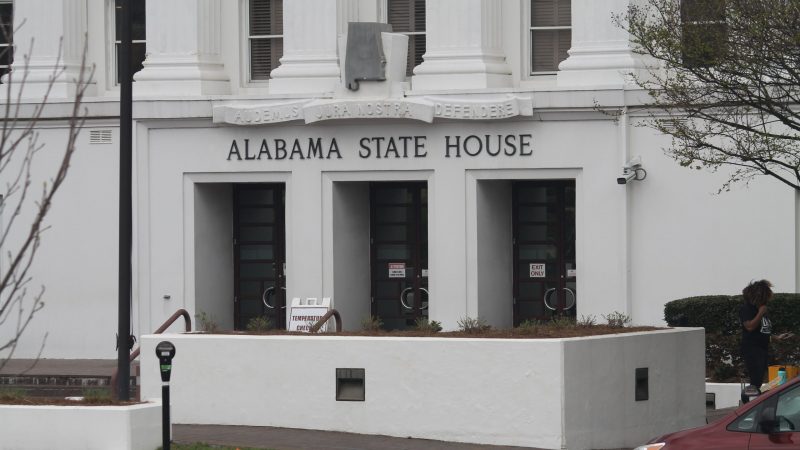
Bill making the Public Service Commission an appointed board is dead for the session
Usually when discussing legislative action, the focus is on what's moving forward. But plenty of bills in a legislature stall or even die. Leaders in the Alabama legislature say a bill involving the Public Service Commission is dead for the session. We get details on that from Todd Stacy, host of Capitol Journal on Alabama Public Television.
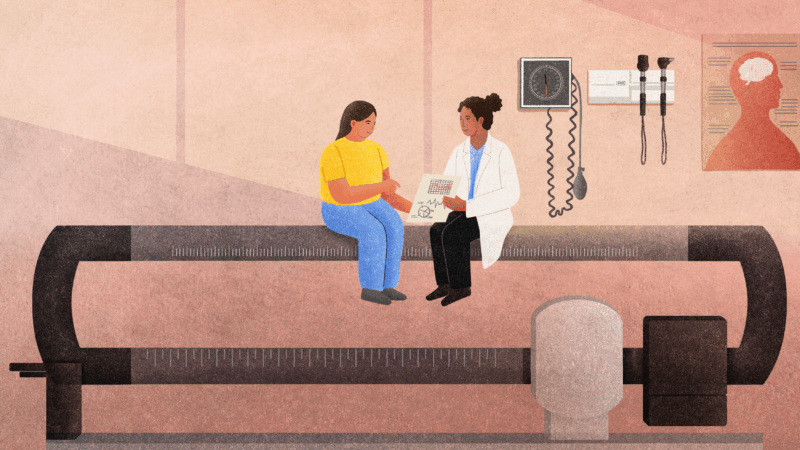
My doctor keeps focusing on my weight. What other health metrics matter more?
Our Real Talk with a Doc columnist explains how to push back if your doctor's obsessed with weight loss. And what other health metrics matter more instead.
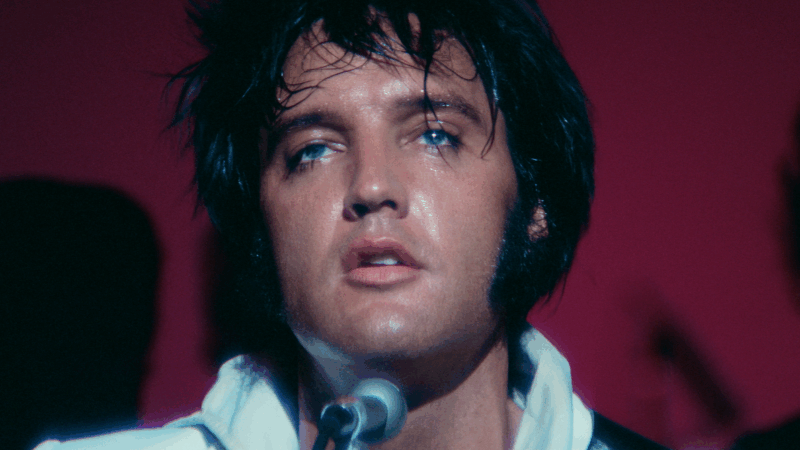
Baz Luhrmann will make you fall in love with Elvis Presley
The new movie is made up of footage originally shot in the early 1970s, which Luhrmann found in storage in a Kansas salt mine.

Forget the State of the Union. What’s the state of your quiz score?
What's the state of your union, quiz-wise? Find out!

A team of midlife cheerleaders in Ukraine refuses to let war defeat them
Ukrainian women in their 50s and 60s say they've embraced cheerleading as a way to cope with the extreme stress and anxiety of four years of Russia's full-scale invasion.

As the U.S. celebrates its 250th birthday, many Latinos question whether they belong
Many U.S.-born Latinos feel afraid and anxious amid the political rhetoric. Still, others wouldn't miss celebrating their country
