
UAB CORD Program Helps Students Get Ahead of the Curve in Science
Students in Alabama and throughout the South are back in school this month. However, long before the first day of school, hundreds of kids spent part of their summer in labs at UAB. The goal? Getting ahead of the curve in science class.
Forget the summer slide – that common loss of knowledge that often happens with children when school breaks. About a dozen rising eighth graders were huddled around tables, measuring solutions, tapping calculators, and making predictions on chemical processes in a science lab in the Community Health Building at UAB.
The students were studying density. They made a multicolored tower by pouring household liquids of varying weights into a cylinder. The result? A stack of different colored liquids.
Michael Wyss, director of UAB’s Center for Community Outreach Development (or CORD), says these experiences can give students an edge in the classroom.
“We link everything that we do up to the curriculum that they’ll move into in the following year so that these students are now well prepared,” he says. “But more than that, we hear the feedback from the teachers as well that these students are the leaders in the next year in science classes. “
The summer science courses also benefit students beyond the classroom, Wyss says.
“In the 21st century, the STEM areas — especially technology and also science — are really going to drive the economy,” he says. “So if we are not preparing students appropriately to take up those positions, their employability is going to be questionable and the U.S. economy is also going to be a problem.”
Robert Merchant of Homewood Middle School says he enjoys science and he learned some things he didn’t know by experimenting.
“I had known that you could make a density tower like this before. I tried to do it, and it didn’t actually work,” he says. “This helped me understand how this density tower works and that you can actually stack liquids on top of each other.”
Most students in UAB CORD camps are from Birmingham and surrounding areas. Some are on scholarships, and some families pay up to $175. Regardless, in the “We’ve got Solutions” lab, there was a common thread. Students had ideas about what they want in the future, and how science could get them there.
“I’m interested in going into the science field of medicine,” says Arnav Muppuri.
His enthusiasm is shared among his lab peers, and many have similar goals.
These students seemed to forget the fact that they were spending part of their summer with beakers instead or running on the beach or playing in the park.
“It’s still fun because we’re learning new things. We’re experimenting like real scientists would do. And we’re also meeting new friends and interacting,” Arnav says.

U.S. and Iran to hold a third round of nuclear talks in Geneva
Iran and the United States prepared to meet Thursday in Geneva for nuclear negotiations, as America has gathered a fleet of aircraft and warships to the Middle East to pressure Tehran into a deal.
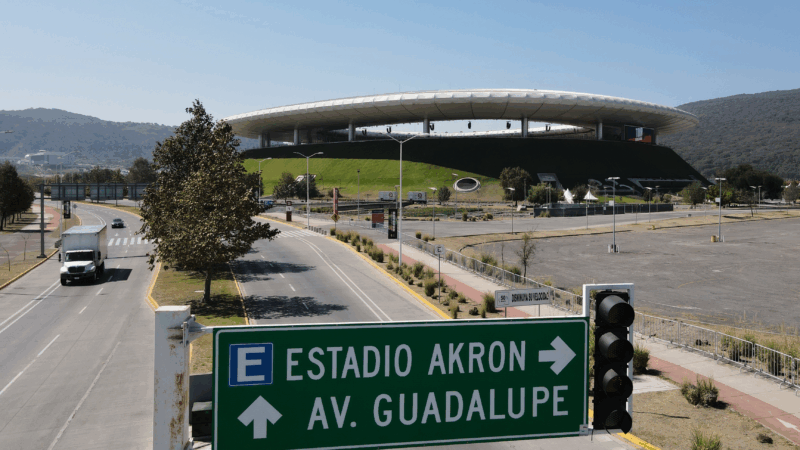
FIFA’s Infantino confident Mexico can co-host World Cup despite cartel violence
FIFA President Gianni Infantino says he has "complete confidence" in Mexico as a World Cup co-host despite days of cartel violence in the country that has left at least 70 people dead.
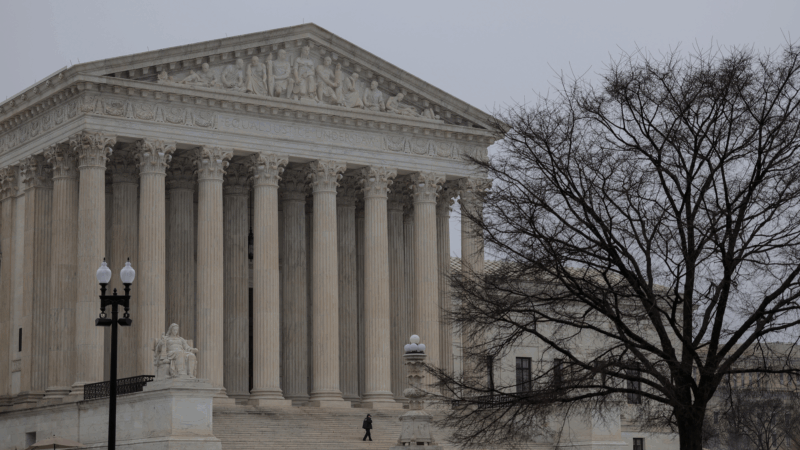
Supreme Court appears split in tax foreclosure case
At issue is whether a county can seize homeowners' residence for unpaid property taxes and sell the house at auction for less than the homeowners would get if they put their home on the market themselves.

Top House Dem wants Justice Department to explain missing Trump-related Epstein files
After NPR reporting revealed dozens of pages of Epstein files related to President Trump appear to be missing from the public record, a top House Democrat wants to know why.
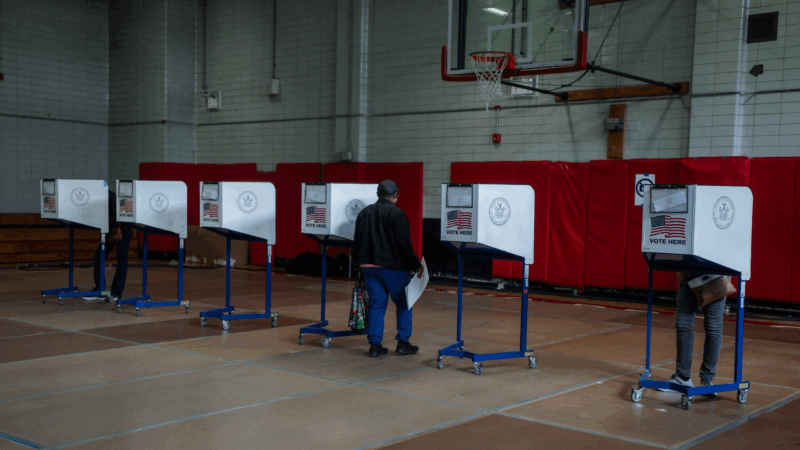
ICE won’t be at polling places this year, a Trump DHS official promises
In a call with top state voting officials, a Department of Homeland Security official stated unequivocally that immigration agents would not be patrolling polling places during this year's midterms.
Cubans from US killed after speedboat opens fire on island’s troops, Havana says
Cuba says the 10 passengers on a boat that opened fire on its soldiers were armed Cubans living in the U.S. who were trying to infiltrate the island and unleash terrorism. Secretary of State Marco Rubio says the U.S. is gathering its own information.
