
Phil Hammonds on Bold Goals for Alabama Education’s Future
Former Jefferson County School Superintendent Phil Hammonds knows a lot about public education. Before his retirement, he worked in Alabama schools and school systems for 40 years. Hammonds is now co-chair of the Bold Goals Coalition for education. It’s a group of more than 200 organizations in central Alabama collaborating to improve education and quality of life. In advance of WBHM’s and the Southern Education Desk’s “Issues and Ales” education forum this evening, Hammonds joined WBHM’s Rachel Osier Lindley to talk about his prescriptions for improving Alabama’s schools and what Bold Goals Education aims to do.
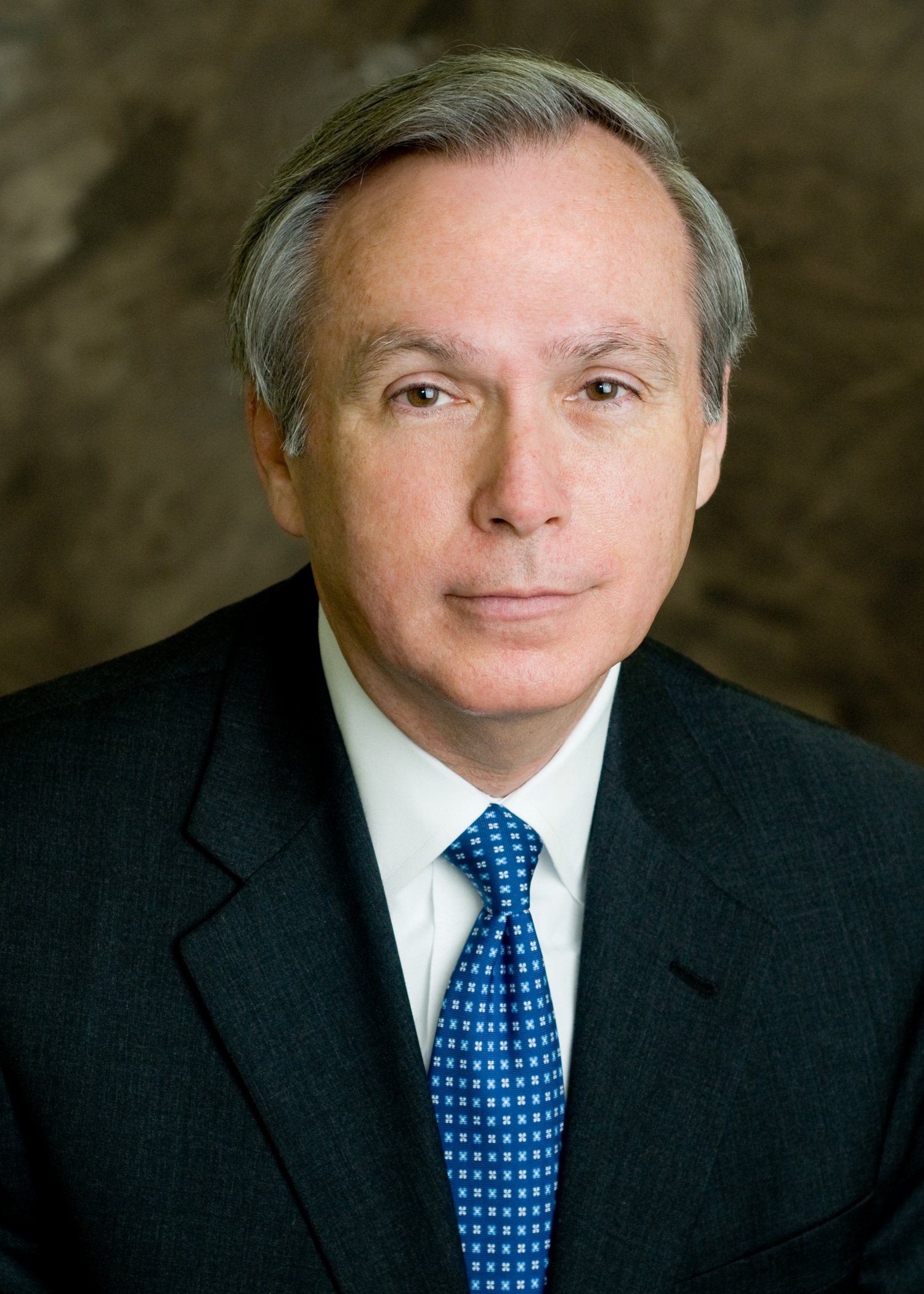
Dr. Phil Hammonds
Communication is Key
“Part of what Bold Goals is is bringing all these agencies, all these non-profits, all these school districts, together to say ‘Let’s begin. Let’s foster that conversation. What’s a best practice that worked within your school system, within your individual school, that we could emulate in our school system?’ Communication is at the very forefront of what we’re doing.”
Successes So Far
“School systems in Fairfield, Midfield and Bessemer recently came together and they have formed their own pre-K program. There was a school in Fairfield that was going to basically be abandoned…So rather than that building sitting there, those three communities, superintendents, and school boards came together to say ‘What is it that we could do in this building.’ Individually it might have been very difficult for any of those three systems to provide a quality, first-class pre-K program.”
Three Things Every School System Should Do
Number One: “Asking ‘What are we doing instructionally for your students?’ If a child has to work during the day, find a way where he or she can go to school at night. Should buildings be empty on Saturdays? How are we offering a sound instructional program? Solid instruction is the bedrock of what Bold Goals is about.”
Number Two: “Communicate with the community or the communities you serve. Be sure that parents, civic leaders, and government leaders know the status of where we are and where we want to be.”
Number Three: “Always be very cognizant of funding levels. Someone may say throwing money at something doesn’t solve it. Well, is the converse of that, taking money away, going to solve a challenge? How do we move forward that the resources that we had pre-2008 aren’t quite what they are now? We can’t use that as a reason we cannot, or should not, move forward. We have to find ways we can and be creative in that.”
Supreme Court blocks redrawing of New York congressional map, dealing a win for GOP
At issue is the mid-term redrawing of New York's 11th congressional district, including Staten Island and a small part of Brooklyn.
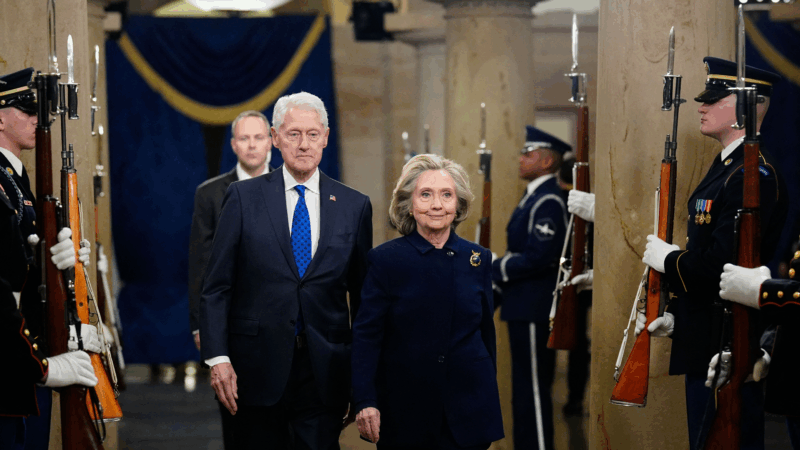
Video of Clinton depositions in Epstein investigation released by House Republicans
Over hours of testimony, the Clintons both denied knowledge of Epstein's crimes prior to his pleading guilty in 2008 to state charges in Florida for soliciting prostitution from an underage girl.
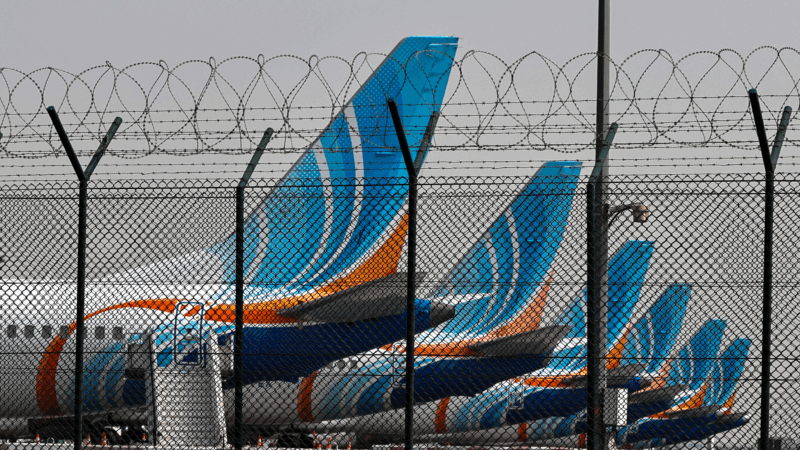
Some Middle East flights resume, but thousands of travelers are still stranded by war
Limited flights out of the Middle East resumed on Monday. But hundreds of thousands of travelers are still stranded in the region after attacks on Iran by the U.S. and Israel.

‘Hamnet’ star Jessie Buckley looks for the ‘shadowy bits’ of her characters
Buckley has been nominated for a best actress Oscar for her portrayal of William Shakespeare's wife in Hamnet. The film "brought me into this next chapter of my life as a mother," Buckley says.
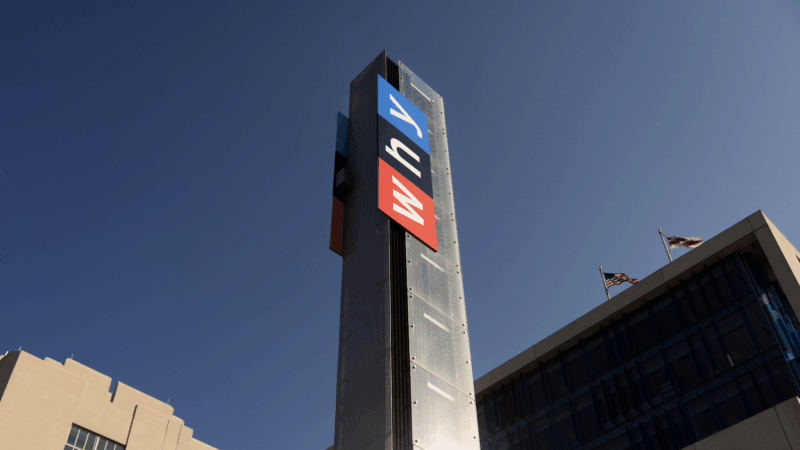
How, who, and why: NPR flips its famous letters to defend the right to be curious
NPR is standing up for the public's right to ask hard questions in a national campaign dubbed "For your right to be curious." At NPR's headquarters, on billboards in New York City, Chicago, and Washington, D.C., and across social media, NPR's three iconic letters transform into "how," "who," and "why" — a bold declaration of its commitment to fight for Americans' right to ask questions both big and small.
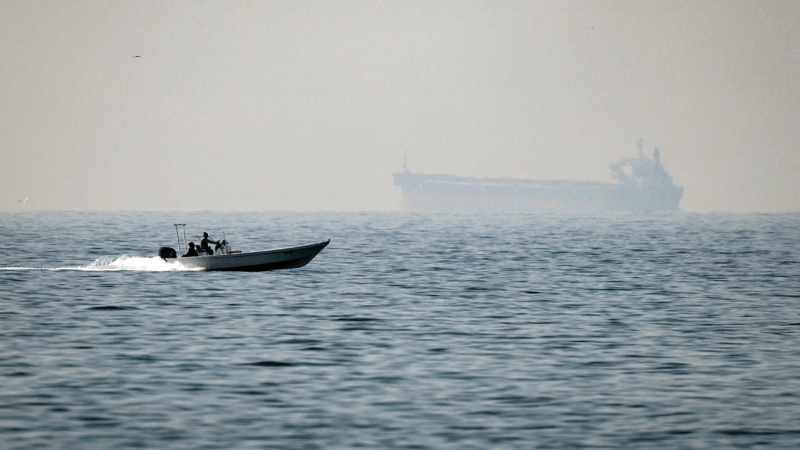
Oil prices surge, but no panic yet, as Iran war continues
Global oil prices are in the high $70s as traffic through Strait of Hormuz comes to a halt. Some analysts have warned they could top $100 a barrel if the stoppage is prolonged.
